6/12/2009

Phoenix Hall Ho-O

[ . BACK to DARUMA MUSEUM TOP . ]

:::::::::::::::::::::::::::::::::::::::::::::::::::::::::::::::::::::::::::::::::::::::::::::::::::::

Daruma Pilgrims Gallery

:::::::::::::::::::::::::::::::::::::::::::::::::::::::::::::::::::::::::::::::::::::::::::::::::::::

HOO-OO - PHOENIX in Asian Art
鳳凰 アジアの美術 


CLICK for more photos

The Asian Phoenix

The phoenix of Chinese legend is a symbol of heaven's favour, virtue and grace, luck and happiness. It is worshipped as one of four spiritually endowed, sacred, creatures presiding over China's destinies. The four animals; dragon, tiger, unicorn (or deer) and phoenix are called 'si ling' in Chinese, but with the passage of time, animals such as the snake and the turtle were added to this group of animals to be worshipped. The Shang ritual cups and bronze decorations of the Western Zou period, of 3,000 years ago, depict the images of five animals often repeated: the lion, the fish, the deer, the dragon and the phoenix.

Like the dragon and ky-lin, with which the phoenix is always associated, it symbolizes the union of yin and yang, peace and disharmony and like the dragon, the phoenix is also made up of elements, typifying the entire cosmos of the six celestial bodies; it has the head of a cock which symbolises the sky (the eyes, the sun); the back of a swallow as the crescent moon; its wings are the wind; its tail represents the planets (trees and flowers); and its feet are the earth. The Chinese phoenix was thought to have a large bill, the neck of a snake, and the tail of a fish. It represents the element of fire and its season in summer and drought.

MORE IS HERE with my friend Mark
http://www.onmarkproductions.com/html/phoenix-china-popup.html


Mark has more about the Phoenix:

One of the Guardians of the Four Directions (Japan)
Mortal Enemy of Serpents and Dragons
Often depicted together with the Dragon


Feng, the Chinese phoenix,

had the head of a pheasant, the tail of a peacock, the Five Cardinal Virtues inscribed on its body, and the most enchanting song of any bird. Feng was associated with the primordial forces of the heavens and was also the bringer of good fortunes, and visions of the phoenix god were were omens of great luck in the near future. Long (Dragon, East, Water) and Feng (Phoenix, South, Fire) are most often depicted as enemies because of their opposing elements (water and fire). Several Chinese folktales center around the clash between the phoenix and the dragon. However, they're also depicted as partners. Long is the male counterpart to the female Feng, and together they can symbolize both conflict and wedded bliss.

Look at more text and pictures.
http://www.onmarkproductions.com/html/ho-oo-phoenix.shtml


and the DRAGON
http://www.onmarkproductions.com/html/dragon.shtml


:::::::::::::::::::::::::::::::::::::::::::::::::::::::::::::::::::::::::::::::::::::::::::::::::::::


CLICK here for original LINK ... trocadero.com/dmitry/

Looking for PHOENIX in Asian Art, I found a lot of interesting pieces, some of which I copied to my Photo Album. Have a look. The Phoenix Hall and other things later in the album will be explained below. Don’t forget to come back here.

 PHOENIX ... my photo album


:::::::::::::::::::::::::::::::::::::::::::::::::::::::::::::::::::::::::::::::::::::::::::::::::::::


Phoenix Art Museum
Arizona
They have a large collection of Asian Art.

:::::::::::::::::::::::::::::::::::::::::::::::::::::::::::::::::::::::::::::::::::::::::::::::::::::


The Phoenix Hall in Uji, Japan
Hoo-Doo at the Byoodoo-In, Byodo-In 平等院

One of the most remarkable thing is that the Phoenix Hall (鳳凰堂 "Hoo-do") also known as the Amida Hall, is still the original 950 year-old building.

The most beautiful Temple Hall in Japan!


source : google images
after the restauration in 2004


Quote from JAANUS, Japanese Architecture
Phoenix Hall.
The Hoooodoo is the central hall *chudoo 中堂 of the Byoodooin 平等院, built in 1053 as a villa in Kyoto by the Fujiwara family, but later transformed into a temple for the worship of Amida Buddha. The entire plan of the Hoooodoo is symmetrical, and repesents a phoenix ready to fly. The central hall is 3×2 bays (14.24m) wide, has a wooden floor, and a hip and gable roof. The roof is crowned with two guilt-bronze statues of phoenix birds. Wing corridors on each side of the central hall have 6 bays in the ridge direction and two bays on each end, about 3.94m wide, extend forward at right angles towards a pond. Additional structures with double roofs are placed on the corners where corridors change direction. The top roof on each of these corner structures is pyramidal hoogyoo yane 方形屋根. The corridors are double storied with a simple gable roof covered with tile *hongawarabuki 本瓦葺. The rear corridor which extends from the back of the central hall is seven bays long by one bay wide, and like the rest of the building has a tiled, gable roof. The pillars on the outside surrounding the central hall are square, while all other pillars are circular. The central hall has a pent roof placed around the core of the hall, but at the center front the roof has been raised so that glimpses of the Amida 阿弥陀 can be seen from across the pond.

The tie beams of the pent roofs are small in comparison to the main pillars of the core of the building, *moya 母屋, which are tall and have three stepped bracket complexes *mitesaki tokyoo 三手先斗きょうwith tail rafters *odaruki 尾垂木. Because the statue of Amida is 4.83m high the central hall had to be made to accomodate its height. The ceiling of the central hall is finely latticed and coffered *kogumi gootenjoo 小組格天井 surrounded by short curved, non supporting members to form a transition to the slightly lower level part of the ceiling. The Amida statue (1053) in the Hoooodoo is the only extant piece by the master sculptor Joochoo 定朝, and is considered the best surviving manifestation of the *wayoo 和様 style in sculpture. See *Joochooyoo 定朝様. The Hoooodoo is also famous for the small carved figures of flying heavenly figures, *hiten 飛天, on the interior walls of the central hall, and the splendid openwork nimbus, *koohai 光背, and canopy, *tengai 天蓋, over the statue.
Hoooo-Doo, Hoo-Do, Hououdou  鳳凰堂
http://www.aisf.or.jp/~jaanus/deta/h/hououdou.htm


Reference about the Phoenix Hall
and Byōdō-in (平等院)

.................................................................................


At the back of the Byodo-In is a small temple with this wonderful statue

funanori Kannon 救世舟乗観音 Kannon riding a boat

The statue itself is about 30 cm high.


source : www.hotokeshi.com

. Kannon Bosatsu 観音菩薩 .


:::::::::::::::::::::::::::::::::::::::::::::::::::::::::::::::::::::::::::::::::::::::::::::::::::::


CLICK for more photos

The famous Hokusai Ceiling Painting in
Ganshoo-In Temple, Obuse, Japan

The large Phoenix is looking at you, wherever you stay in the room (happoo-nirami).
Hokusai painted this phoenix when he was about 88 years old.

Phoenix-Ceiling painting for the Higashi-Machi festival float
・東町祭屋台天井絵「鳳凰」図
http://www.book-navi.com/hokusai/art/houou-e.html (English)


Quote
Reprint on fabric of the artwork seen on the ceiling at Ganshoin Temple, Nagano Prefecture by the famous artist, Hokusai. The phoenix's appearance was said to mark auspicious events, such as the birth or rule of a virtuous emperor or the advent of a great philosopher. It is also said to symbolize virtue and is the sign of the Empress. The legendary phoenix eats only bamboo seeds and will only perch on the branches of the paulownia tree, and by association, those plants are also considered to be lucky symbols.
http://www.japanesqueaccents.com/smallhangings/0122.htm


:::::::::::::::::::::::::::::::::::::::::::::::::::::::::::::::::::::::::::::::::::::::::::::::::::::


Here is a real BIRD, called "Japanese Phoenix"

. . . CLICK here for Photos !

A Silver Duckwing Phoenix cock bird
Phoenix are descendants of the chickens that are seen in Japanese illustrations, which bear tails of 15 to 20 feet or longer. The only breed today that gets a tail of this length is the Onagadori. After the second year, the roosters no longer molt their sickle feathers. To maintain these tails, the birds are kept up on high roosts the way parrots are. Most of the Longtails do partially molt their sickle feathers each year, although individual feathers may be shed only every second or third year. This gene can be selected for, and a careful and longterm breeding project can produce birds with nonshedding tail feathers.

There are many breeds of Longtail fowl in Japan. The one our Phoenix most resembles is the Onagadori, except that the birds in the US rarely get any great length to their tails. There are also Longtail birds with pea combs, which in the US are called Yokohamas. However, this is not the name of any breed in Japan, but merely the port from which the early specimens were shipped out.


Onagadori (ながどり)尾長鳥 cock with a long tail


:::::::::::::::::::::::::::::::::::::::::::::::::::::::::::::::::::::::::::::::::::::::::::::::::::::


Itō Jakuchū 伊藤若冲 Ito Jakuchu


:::::::::::::::::::::::::::::::::::::::::::::::::::::::::::::::::::::::::::::::::::::::::::::::::::::


:::::::::::::::::::::::::::::::::::::::::::::::::::::::::::::::::::::::::::::::::::::::::::::::::::::

H A I K U


水もみじ 合せ鏡の 鳳凰堂  
mizu momiji awase kagami no Hoo-O Doo

Baron (バロン)

鳳凰堂―句集 俊英俳句選集 ―星叢書
Collection of Haiku about the Phoenix Hall in Uji.
http://homepage1.nifty.com/pvi/art/oouti30.html


翌日京都に入り、宇治の平等院を音(おと)なう。
京都は暮れの二十五日に大雪があったそうで、木々や日陰には残雪が見られる。
奈良よりいっそう寒い。

鳳凰(ほうおう)は幾たび見たり松の雪
Hoo-Oo wa ikutabi mitari matsu no yuki

http://www.jnc.or.jp/m4_3.php


水ゆれて鳳凰堂へ蛇の首
mizu yurete Hoo oo doo e hebi no kubi

water moves
by the Phoenix Hall
the neck of a snake


. Awano Seiho 阿波野青畝 .


:::::::::::::::::::::::::::::::::::::::::::::::::::::::::::::::::::::::::::::::::::::::::::::::::::::


The Phoenix in Venice

Memories of World Haiku Festival 2004
Susumu Takiguchi
THE WORLD HAIKU CLUB

La Fenice in Venice


carneval in Venice
the last mask looks
for the EXIT


Gabi Greve, 2004 for La Fenice


:::::::::::::::::::::::::::::::::::::::::::::::::::::::::::::::::::::::::::::::::::::::::::::::::::::

D A R U M A

Here is the connection. Never to worry, Daruma joins with anything !

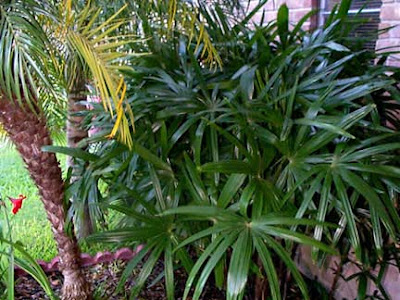
Two Palm Trees
Rhapis excelsa 'Daruma' (Lady Palm) and

Phoenix roebelenii (Pygmy Date Palm) trunk.
CLICK for original LINK and more photos


:::::::::::::::::::::::::::::::::::::::::::::::::::::::::::::::::::::::::::::::::::::::::::::::::::::

Daruma Pilgrims in Japan
O-Fudo Sama Gallery

[ . BACK to DARUMA MUSEUM TOP . ]
[ . BACK to WORLDKIGO . TOP . ]

:::::::::::::::::::::::::::::::::::::::::::::::::::::::::::::::::::::::::::::::::::::::::::::::::::::::::::::::::::::::::::

6/05/2009

Temple Seal shuuban

[ . BACK to DARUMA MUSEUM TOP . ]

:::::::::::::::::::::::::::::::::::::::::::::::::::::::::::::::::::::::::::::::::::::::::::::::::::::

Daruma Pilgrims Gallery

:::::::::::::::::::::::::::::::::::::::::::::::::::::::::::::::::::::::::::::::::::::::::::::::::::::

Temple Seal 宗判 shuuban

In the Kanbun period (1661 - 1673) it became a regulation that every person in Echizen had to register with a temple and get a stamp of approval and recognition. This would also bring the temples in closer contact with their followers and believers (monto 門徒 ).

...........................................


十宗判

 ( 1 ) 法我倶有宗……犢子部など。法と自我の実在を説く。
 ( 2 ) 法有我無宗……説一切有部など。法の実在と無我を説く。
 ( 3 ) 法無去来宗……大衆部など。現在のみの法の実在を主張。
 ( 4 ) 現通仮実宗……説化部など。現在の法のなかで五蘊の実在と十二處十八界の非実在を区別。
 ( 5 ) 俗妄真実宗……説出世部など。世俗の法の虚妄性と出世間の真実性を論じる。
 ( 6 ) 諸法但名宗……一説部など。すべての存在は仮名のみで、すべて無体であると説く。
 ( 7 ) 一切皆空宗……大乗初教(始教)。一切の法の空・不可得を説く。
 ( 8 ) 真徳不空宗……大乗終教。一切の法は根本的真理(真如如来蔵)のはたらきに摂まるとする。
 ( 9 ) 相思倶絶宗……大乗頓教。ことばを離れた真理そのものを提示する。
 (10) 円明具徳宗……別教一乗。究極の無礙自在の法門。

法蔵の五教判

華厳宗の五教十宗判

source ... huayan


諸宗判教対弁抄 shoshuuhan kyootaibensho
Look at the Japanese text here
source : archive.wul.waseda.ac.jp


:::::::::::::::::::::::::::::::::::::::::::::::::::::::::::::::::::::::::::::::::::::::::::::::::::::

H A I K U


かすむ日や宗判押しに三里程
kasumi hi ya shuuban oshi ni sanri hodo

hazy day -
to get my temple stamp I walk
about seven miles


Kobayashi Issa, 1821
Tr. Gabi Greve


David Lanoue states
The expression shûban oshi refers to a census taker stamping his seal.

day mist--
the census taker reckons it
about seven miles


source : David Lanoue


Nakamura Sakuo states
On one day of silent and peacefull Spring Issa walked to a temple for stamping seal that prove himself as Buddhist of Joodo-shuu.It was like in dream as he was strolling in the day mist.


source : Sakuo Nakamura
Everyday Issa

:::::::::::::::::::::::::::::::::::::::::::::::::::::::::::::::::::::::::::::::::::::::::::::::::::::


Daruma Pilgrims in Japan

O-Fudo Sama Gallery

:::::::::::::::::::::::::::::::::::::::::::::::::::::::::::::::::::::::::::::::::::::::::::::::::::::

6/03/2009

Carpet dantsu

[ . BACK to DARUMA MUSEUM TOP . ]

:::::::::::::::::::::::::::::::::::::::::::::::::::::::::::::::::::::::::::::::::::::::::::::::::::::

Daruma Pilgirms Gallery

:::::::::::::::::::::::::::::::::::::::::::::::::::::::::::::::::::::::::::::::::::::::::::::::::::::

Dantsu, Japanese carpets

The latest issue of the Daruma Magazine, Issue 63, has an article about
dantsu, Japanese cotton carpets or rugs

Daruma Magazine

Daruma Magazine Issue 13 . dantsu
with many illustrations

:::::::::::::::::::::::::::::::::::::::::::::::::::::::::::::::::::::::::::::::::::::::::::::::::::::


I watched a TV special about these carpets just the other day.
だんつう【段通/緞通】dantsuu

They come from three areas, Ako in Hyogo prefecture is most famous. Nabeshima and Sakai are next.
Ako was also famous for its salt production and quite a rich city.
These carpets came into fabrication at the Meiji- and Taisho-Period.

They were made from cotton, since wool is not suitable for the Japanese climate.
The threads are quite long and make a comfortable cushion to sit on.
The carpets came in the size of a zabuton cushion or the size of a tatami and could be used for the tea ceremony. Many dantsuu could be placed in a great temple hall for celebrations, to have the visitors sit more comfortable and warm in winter.


CLICK for more  段通 photos
zabuton style, made from silk


. . . CLICK here for 緞通 Photos !

::::::::::::::::::::::::::::::::::::::::::::::::::::::::::::::::::::::::::::::::::::::::::::::::::::::::::::::::::::::::::::::::::::::::::::::::::::::::::::::::::::::::::::::::::::::::::::::::::::::::::

Nabeshima dantsuuu 鍋島段通 Nabeshima Dantsu cotton carpets

- quote
Nabeshima Dantsu is a traditional cotton fabric carpet designnated as an offering to shogun family from the Nabeshima clan during the Edo era.
The tradition is herited to nowadays. Its tightly hand-knitted cotton-thread of excellent quality, using old weaving tools, presents your naked feet solid, elegant and comfortable touch.
I have self-confidence that I am one of those few artists who make the modern Nabeshima Dantsu that can match today's life style, yet maintaining the traditional feature.
- source : Kayoko Ohba


More beautiful samples :
- source : nabeshima-dantsu.com/showcase


:::::::::::::::::::::::::::::::::::::::::::::::::::::::::::::::::::::::::::::::::::::::::::::::::::::

The Japanese name for carpet is
juutan じゅうたん【絨毯/絨緞】

Mostly used for carpets from Persia, China and other Asian countries.


Some vocabulary, mostly about patterns used for Japanese carpets:

amiriken あみりけん 網利剣 sharp sword with net mesh pattern
. . . CLICK here for Photos !

chuuhana ちゅうはな dark blue color

dantsuuba, dantsuu ba 段通場 dantsu carpet mills

hanabishi はなびし【花菱】flower-shaped rombus patterns
. . . CLICK here for Photos !

ichimatsu moyoo いちまつ(もよう)【市松模様】checkered pattern
. . . CLICK here for Photos !


CLICK for more photos inuriken pattern
inuriken, inu riken いぬりけん  犬利剣 sharp sword and dogs (with pine trees and animals)


kani botan かにぼたん【蟹牡丹】crab and peony pattern
. . . CLICK here for Photos !

kikkoo きっこう【亀甲】tortoise shell pattern
. . . CLICK here for Photos !

sanjuu ichinen gata 三十一年形 31年形 さんじゅういちねんがた "pattern from the year 31"
special of the Ako dentsu rugs


sujitsumi すじつみ applying sissors to cut the border of each pattern

:::::::::::::::::::::::::::::::::::::::::::::::::::::::::::::::::::::::::::::::::::::::::::::::::::::

quote
IN olden times woven rugs were not known in Japan.
The wealthy classes of Japan covered their floors with grass, over which they spread the skins of animals. The poorer classes had not even skins, but only reeds or straw. About four hundred years ago silk and wool rugs were introduced into Japan from Persia, China, and India. For a time the Japanese imitated these rugs, but later the industry ceased.
Since the opening up of the country, however, rug-weaving has prospered, and the introduction of fine cotton yarns of uniform quality has increased greatly the growth of all textile industries. The modern Japanese rugs are made of cotton or jute, and are used extensively in the United States in summer homes. In the towns which produce these rugs little children may be seen busily engaged in weaving, their small fingers being very deft at this work.

The chief colors employed by the Japanese in their rug-weaving are blue, white, and sometimes a beautiful pink. In weaving, designing, and coloring, as in everything else the natives do, their exactness of finish and thoroughness in detail are noticeable. The Persian designs which were once reproduced in Japan are now supplanted by designs purely Japanese. The dragon is a favorite design in some of the older rugs.
source : www.oldandsold.com

:::::::::::::::::::::::::::::::::::::::::::::::::::::::::::::::::::::::::::::::::::::::::::::::::::::


Ako City Tabuchi Museum of Art
田淵記念館(たぶちきねんかん)
Tabuchi Kinenkan


The Ako City Tabuchi Museum of Art displays artwork donated by the Tabuchi family, a family that successfully engaged in the salt making business during the Edo period. The collection includes Japanese paintings, calligraphy, tea ceremony equipment, and marriage ceremony artifacts. In addition, there is a wide selection of tea ceremony equipment which are displayed according to each season.
source : www.kansaiartbeat.com

:::::::::::::::::::::::::::::::::::::::::::::::::::::::::::::::::::::::::::::::::::::::::::::::::::::


Tibetan Skeleton Carpet


China, Ningxia. 19th c.
source : www.asianart.com/lieberman


.......................................................................


Chinese Carpets – Art From the Steppes


Shoso-in felt carpets, dating from the Nara period --

The earliest woolen textiles with a possible Chinese attribution are the felts in the Shoso-in Treasure House in Nara, Japan. Eiland illustrates two these and a third appears in Jodai-Gire, Kaneo Matsumoto’s account of the Shoso-in textiles. Another appears in Kurt Erdmann’s ‘Seven Hundred Years’. We should re-examine the conventional Chinese attribution for these pieces, which are believed to have been mad in the 8th century during a T’ang dynasty supported by sinicized turks. “Jodai Gire” is curiously vague on the subject, “We cannot be certain that sheep were no raised in ancient Japan, but it seems unlikely. Probably these rugs were imported from either China or Korea.”

• Two felts from the Shoso-in Treasure House, Nara, Japan, 8th century. Given the description of felts in early texts, it is probable these two pieces are Mongol pieces, possibly used as door covers on the yurts or tents.

• A fabulous example of a felt that may very well be Mongol also. The aesthetic is very refined. 8th century, Shoso-in Treasure House, Nara, Japan. A detailed 13th century account of Mongol yurts adn their felts, quoted by Bertold Spuler, in 'The History of the Mongols', notes that embroidered "birds and beasts" were featured in the designs of Mongol felts.

- Felt, 8th-9th century, Shoso-in Treasure House, Nara, Japan The elaborate floral designs and palette seen on this felt are remarkably different from those other felts seen below, also housed in the Shoso-in.Perhaps this marked difference is due to the sinicisation of design elements during the reign of the Sha-'to Turk emperors in the late T'ang period

- source : Thomas Cole -

:::::::::::::::::::::::::::::::::::::::::::::::::::::::::::::::::::::::::::::::::::::::::::::::::::::


H A I K U


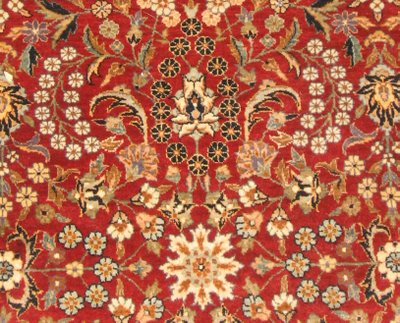
juutan 絨毯 じゅうたん carpet
dantsuu 緞通(だんつう)Japanese carpet
juutan 絨緞(じゅうたん) carpet
kaapetto カーペット carpet, Teppich
Persian rug, Perserteppich

kigo for all winter
Although it is in our homes all year, we feel the warmth from it most in the winter months, especially in Japan, when you sit on the floor and have an insulating carpet on the tatami mats.


My Carpet Meditation Nr. 1

morning meditation -
the mind crawls along
carpet patterns


My Carpet Meditation Nr. 2


:::::::::::::::::::::::::::::::::::::::::::::::::::::::::::::::::::::::::::::::::::::::::::::::::::::

summer heat ...
my cat hides under
the silk carpet

My Cat Haiku Kun
Gabi Greve, Summer 2008


:::::::::::::::::::::::::::::::::::::::::::::::::::::::::::::::::::::::::::::::::::::::::::::::::::::


by the riverside
dragons on the carpet
bask under the sun


Sunil Uniyal, New Delhi
WHCindia


:::::::::::::::::::::::::::::::::::::::::::::::::::::::::::::::::::::::::::::::::::::::::::::::::::::


sinking into
the soft red carpet
my aching knees


CLICK for Claudia,s Carpet

Claudia Cadwell
. WKD ... on FACEBOOK . June 2009


[ . BACK to WORLDKIGO  TOP . ]
:::::::::::::::::::::::::::::::::::::::::::::::::::::::::::::::::::::::::::::::::::::::::::::::::::::

Daruma Pilgrims in Japan

O-Fudo Sama Gallery

:::::::::::::::::::::::::::::::::::::::::::::::::::::::::::::::::::::::::::::::::::::::::::::::::::::
6/02/2009

Temple Saihoji

[ . BACK to DARUMA MUSEUM TOP . ]

:::::::::::::::::::::::::::::::::::::::::::::::::::::::::::::::::::::::::::::::::::::::::::::::::::::

Daruma Pilgrims Gallery

:::::::::::::::::::::::::::::::::::::::::::::::::::::::::::::::::::::::::::::::::::::::::::::::::::::

Temple Saihoji ,
"Temple in the Western Direction"

Saihoo-Ji 西方寺 in Nagano
長野県長野市西町1019 
安養山極楽院西方寺 

. . . CLICK here for Photos !

This temple is in West Village, a suburb of Nagano Town, and situated in the West of the town, hence the name, Tempel to the West. It is also situated to the west of the famous Zenko-Ji temple in Nagano. The West is the region of the Pure Land of Paradise.

The temple belongs to the Pure Land sect and is closely related to Honen Shonin.
Issa used to visit his friend Takizawa 滝沢柯尺(松屋八郎次・松八), who lived in a small street close by this temple.


The stamp of this temple carries a haiku by Kobayashi Issa.

CLICK for original LINK to Japanese

散る花や 月入る方は 西方寺
chiru hana ya tsuki-iru hoo wa Saihoo-ji

cherry blossoms scatter -
in the direction of the moon
is temple Saihoo-Ji

Tr. Gabi Greve


A memorial stone with this haiku by Kobayashi Issa in in the precincts of this temple.

source : www.saihouji-nagano.com

and this is another haiku by Issa composed here:

迹臼は烏(からす)のもちや西方寺
ato usu wa karasu no mochi ya Saihoo-Ji

(see below)

:::::::::::::::::::::::::::::::::::::::::::::::::::::::::::::::::::::::::::::::::::::::::::::::::::::


There is also a Saiho-Ji in Kyoto.

Saihoji Moss temple(Koke dera)
56, Matsuojingatani, Nishikyou-ku, Kyoto-shi, Kyoto-fu

CLICK for more information
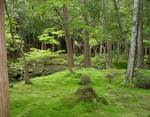
It is said that Saihoji temple was opened by Gyoki during the Nara period and was restored by inviting Muso Soseki in 1339. Because of the beautiful moss that covers the land in the garden, it is called the "Moss Temple".
The garden designed by Muso Soseki has two levels, the upper Karesansui (rock garden) and the lower level of the circuit style garden with a pond and a path around it. The golden pond at the centre of the garden is in the shape of the Chinese charater for a “heart” or”mind” (kokoro), and the garden is covered in approximately 120 types of moss, so that it looks like a green carpet has been laid out. To the south of the golden pond stands the tea-house called Shonan-tei which is designated as important cultural property.
source : www.japan-i.jp/explorejapan


::::::::::::::::::::::::::::::::::::::::::::::::::::::::::::::::::::::::::::::::::::::::::::::::::::: 


Another temple Saihoji in Shikoku, made famous
by Lafcadio Hearn


UBAZAKURA 姥桜

Three hundred years ago, in the village called Asamimura, in the district called Onsengori, in the province of Iyo (Shikoku), there lived a good man named Tokubei. This Tokubei was the richest person in the district, and the muraosa, or headman, of the village. In most matters he was fortunate; but he reached the age of forty without knowing the happiness of becoming a father. Therefore he and his wife, in the affliction of their childlessness, addressed many prayers to the divinity Fudo Myo O, who had a famous temple, called Saihoji, in Asamimura.

At last their prayers were heard: the wife of Tokubei gave birth to a daughter. The child was very pretty; and she received the name of Tsuyu. As the mother's milk was deficient, a milk-nurse, called O-Sode, was hired for the little one.

O-Tsuyu grew up to be a very beautiful girl; but at the age of fifteen she fell sick, and the doctors thought that she was going to die. In that time the nurse O-Sode, who loved O-Tsuyu with a real mother's love, went to the temple Saihoji, and fervently prayed to Fudo-Sama on behalf of the girl. Every day, for twenty-one days, she went to the temple and prayed; and at the end of that time, O-Tsuyu suddenly and completely recovered.

Then there was great rejoicing in the house of Tokubei; and he gave a feast to all his friends in celebration of the happy event. But on the night of the feast the nurse O-Sode was suddenly taken ill; and on the following morning, the doctor, who had been summoned to attend her, announced that she was dying.

Then the family, in great sorrow, gathered about her bed, to bid her farewell. But she said to them:--

"It is time that I should tell you something which you do not know. My prayer has been heard. I besought Fudo-Sama that I might be permitted to die in the place of O-Tsuyu; and this great favor has been granted me. Therefore you must not grieve about my death... But I have one request to make.
I promised Fudo-Sama that I would have a cherry-tree planted in the garden of Saihoji,
for a thank-offering and a commemoration. Now I shall not be able myself to plant the tree there: so I must beg that you will fulfill that vow for me... Good-bye, dear friends; and remember that I was happy to die for O-Tsuyu's sake."

After the funeral of O-Sode, a young cherry-tree,-- the finest that could be found,-- was planted in the garden of Saihoji by the parents of O-Tsuyu. The tree grew and flourished; and on the sixteenth day of the second month of the following year,-- the anniversary of O-Sode's death,-- it blossomed in a wonderful way. So it continued to blossom for two hundred and fifty-four years,-- always upon the sixteenth day of the second month; -- and its flowers, pink and white, were like the nipples of a woman's breasts, bedewed with milk. And the people called it Ubazakura, the Cherry-tree of the Milk-Nurse.
source : bulfinch.englishatheist.org

:::::::::::::::::::::::::::::::::::::::::::::::::::::::::::::::::::::::::::::::::::::::::::::::::::::


Among the haiku memorial stones in Matsuyama, there are also two in the precincts of a temple called Saihoji.
(spelled with different Chinese characters, meaning "Temple of the Western Law"
Saihouji Temple in Idai, opened in 792 (Enryaku 11), is a temple of the Tendai sect
伊台の西法寺
Source : Haiku Monuments in Matsuyama


:::::::::::::::::::::::::::::::::::::::::::::::::::::::::::::::::::::::::::::::::::::::::::::::::::::

H A I K U


跡臼は烏のもちか西方寺
ato usu wa karasu no mochi ka Saihooji

is the next batch of rice cakes
for the crow?
Saiho Temple


Kobayashi Issa
Shinji Ogawa notes that ato usu means "the next batch of rice cakes" (not, as I originally thought, the "tub in back").
In an dated version of this haiku (1813), Issa makes a statement instead of a question: "The next batch of rice cakes is for the crow" (ato usu wa karasu no mochi ya).
There are two types of usu or mill: (1) shiki usu (grinding hand-mill) and (2) a large wooden tub used for rice or herb cake making. The cake maker pounds the ingredients with a wooden mallet. The second definition fits here.

(Tr. David Lanoue)


is the next batch
from the mortar for the crows?
temple Saiho-Ji

Tr. Gabi Greve


::::::::::::::::::::::::::::::::::::::::::::::::::::::::::::::::::::::::::::::::::::::::::::::::::::: 

[ . BACK to WORLDKIGO  TOP . ]


Daruma Pilgrims in Japan


:::::::::::::::::::::::::::::::::::::::::::::::::::::::::::::::::::::::::::::::::::::::::::::::::::::