Showing posts with label Jizo. Show all posts

1/24/2013

Jizo in Kyoto

[ . BACK to DARUMA MUSEUM TOP . ]
:::::::::::::::::::::::::::::::::::::::::::::::::::::::::::::::::::::::::::::::::::::::::::::::::::::

Fudo Myo-O Gallery

:::::::::::::::::::::::::::::::::::::::::::::::::::::::::::::::::::::::::::::::::::::::::::::::::::::

Jizo Statues in Kyoto

There are many famous Jizo statues in Kyoto,
Here I will introduce just a few of them.

The main introduction to this deity:

. Jizo Bosatsu (Kshitigarbha) 地蔵菩薩 .


:::::::::::::::::::::::::::::::::::::::::::::::::::::::::::::::::::::::::::::::::::::::::::::::::::::


Yata Jizo Son 矢田地蔵尊
Temple Yatadera 矢田寺 Yataji, Yata-Ji

This statue is about 2 meters high and huge flames are standing before Jizo.
The statue was made by Saint Mankei 満慶(まんけい)
Manmai (満米(まんまい))上人
who had a vision of Jizo during his meditations.

The people also call it
Saijuku Jizo 代受苦地蔵 Jizo who takes on our sufferings and hardships.
The worship of this Jizo helps blind people find their way around and out of hell, hence the huge flames in front of the statue. Jizo looks almost like a Fudo Myo-O.
I could not find a photo of this Jizo yet.


CLICK for more photos !

quote
According to histories passed down within the temple itself, the temple was founded at Gojô-bômon in the early Heian period as a branch temple of the Yatadera still standing and active in Yamato province (Nara). Temple lands changed, and in 1579 the temple was moved to its current location.

The statue of the bodhisattva Jizô enshrined in the main hall as the chief object of worship is a two-meter tall standing figure, and is said to have been carved from the dark earth of the underworld by Mankei (aka Manmai), the founder of the temple, who met the true Jizô there, and copied his likeness or form. Worshippers gather to pray to this statue as the Jizô who saves those who have died and are in hell.

The temple's bell, in contrast to the "Welcoming Bell 迎え鐘" of the temple Rokudô-chin-ô-ji 六道珍皇寺, is called the "Sending Bell 送り鐘," and is rung to help send the spirits of the departed to the afterlife without them getting lost on the path.
source : wiki.samurai-archives.com


source : paul_cotie


Small cuddely Jizo dolls (nuigurumi ぬいぐるみ) as amulets.

CLICK for more photos !


:::::::::::::::::::::::::::::::::::::::::::::::::::::::::::::::::::::::::::::::::::::::::::::::::::::


kunuki Jizo, ku nuki Jizo くぬき地蔵 - 苦抜地蔵
Jizo to take away your hardships


this is a pun with
kuginuki, kugi nuki 釘抜(くぎぬき)地蔵 
Jizo to pull out nails, kugi nuki

at Shakuzooji 石像寺 temple Shakujo-Ji, Nishijin


Many people offer votive tablets with a nail and nail puller.
There are maybe more than 1000 in the precincts now.

In the Muromachi period there was a merchant who suffered from severe pain in his hands and made a vow to come to this Jizo for 7 days and pray that his pain KU might be taken away NUKI.
In the night of the 7th day, Jizo appeared in his dream and told him:

"In one of your former lives you have been cursing people by sticking nails into a straw doll, hammering them into a tree at midnight.
Now you have to feel the pain of these hails in your own hands."
And Jizo showed the man two large nails.

When the man woke up, his pain was gone. He hurried to the temple and saw the two bloody nails in front of the statue of Jizo.
Greatful for the help, the man made another vow of 100 visits to the temple (o-rei mairi お礼参り) .


Since then, the Jizo got his name and people come with prayers to get rid of all kinds of KU, pains and hardships in their body and mind.

source : kyoto.wakasa.jp


There are other statues with this name in Japan.


Kunuki Jizo in Kawageo, Kita-In 川越大師 喜多院
source : www.kawagoe.com/kitain


:::::::::::::::::::::::::::::::::::::::::::::::::::::::::::::::::::::::::::::::::::::::::::::::::::::


meyami Jizoo めやみ地蔵 Jizo to heal eye diseases 
目疫(めやみ)地蔵


Chuugenji 仲源寺 temple Chugen-Ji

"Ameyami Jizo"
雨やみ地蔵 - Jizo to stop the rain and flooding
(guardian deity of Rain Stopping) turned to "Meyami Jizo" (a guardian deity of the eye disease), after a couple prayed for healing to the "Rain Stopping Jizo" and the wife got healed.

quote   
This temple belongs to the Jodo sect of Buddhism.
It is also known as the Meyami Jizo.

In 1022, the buddhist monk-sculptor Jocho worshipped a guardian deity in the northeast of the "Shijobashi Bridge" and this is the beginning of this temple.

When "Kamogawa-river" was flooded in 1228 Nakahara Tamekane was able to hold back a flood thanks to the guardian deity.
Nakahara Tamekane who had deeply expressed gratitude enshrined the guardian deity here.
And the guardian deity was called as Ameyami Jizo(guardian deity of Rain Stopping).

Later, the word “Ameyami Jizo” turned to “Meyami Jizo"(a guardian deity of the eye disease).
Today, “Meyami Jizo" is believed in as a guardian deity of the eye disease recovery.
source : www.kyotokanko.co.jp

. Jizo to heal eye diseases .


:::::::::::::::::::::::::::::::::::::::::::::::::::::::::::::::::::::::::::::::::::::::::::::::::::::


nurikobe Jizo ぬりこべじぞう "rub your pain on Jizo's head" 


The statue in the small hall is only 1 meter high.

There are two theories about its naming.
One claims he was once located in a temple hall and when repairwork was done, a bit of the wall plaster (nuri) fell on its head. 塗り込め

The other theory claims that it is a pun with
to keep illness inside (the statue of Jizo) 病気を封じ込める.


Since the Edo period it is expecially useful for toothache.
Near Fushimi Inari Shrine 伏見稲荷大社

source : kyoto.wakasa.jp


:::::::::::::::::::::::::::::::::::::::::::::::::::::::::::::::::::::::::::::::::::::::::::::::::::::


sentai Jizo  千体地蔵 1000 Jizo Statues
at Hoo-onji 報恩寺 temple Hoon-Ji

zushi iri sentai Jizo 厨子(ずし)入(いり)千体地蔵尊
in a little shrine
(重要文化財 - Important Cultural Property)


source : www.kyoto-np.co.jp

This statue is very small and was ment to be carried while traveling, hence the small shrine to protect it.
Around the center statue there are almost 1000 little one's, at the sides, at the back and all around.
The main statue is 3,3 cm.
This statue is only shown very seldom. It had been given to the temple by emperor
後柏原天皇 GoKashiwabara Tenno in 1501.

I saw this little marvel on TV in January 2013,
it is very impressive in its concentrated power.

There are other statues with this name in Japan.


:::::::::::::::::::::::::::::::::::::::::::::::::::::::::::::::::::::::::::::::::::::::::::::::::::::


***** . Amulets and Talismans from Japan . 


O-Fudo Sama Gallery

Daruma Pilgrims in Japan


. Kyoto  京都 Hana no Miyako .


[ . BACK to WORLDKIGO . TOP . ]
[ . BACK to DARUMA MUSEUM TOP . ]
- #jizoinkyoto #jizobosatsu -
:::::::::::::::::::::::::::::::::::::::::::::::::::::::::::::::::::::::::::::::::::::::::::::::::::::

12/24/2012

Kofuku Jizo

[ . BACK to DARUMA MUSEUM TOP . ]

. Jizo Bosatsu - ABC-List - .
:::::::::::::::::::::::::::::::::::::::::::::::::::::::::::::::::::::::::::::::::::::::::::::::::::::

koofuku Jizoo 幸福地蔵 Jizo to bring you good luck

The main entry about Jizo Bosatsu is here.
. Jizoo Bosatsu (Kshitigarbha) 地蔵菩薩 .

:::::::::::::::::::::::::::::::::::::::::::::::::::::::::::::::::::::::::::::::::::::::::::::::::::::


わらじを履いたお地蔵さん「鈴虫寺」
Suzumushi Temple (Myotokuzan Kegon-ji)

quote
Saint Hotan built Suzumushi Temple in 1723 (the middle of the Edo period);its official name is Myotokuzan Kegon-ji. Suzumushi means crickets in English. Hotan was famous as a hard-working Buddhist monk. There is one sect of Buddhism called “Kegon,” but because of its strictness, the number of monks undertaking Kegon was decreasing and the religion was dying out. The situation prompted Hotan to try and revive Kegon. He studied Buddhism and philosophy widely and tried to spread Kegon to monks. It is also said that he was the first to make a world map which put India (the origin of Buddhism) at the center of the world. When he saw the map that Europeans brought to Japan, he just was compelled to create a new type of map. The map is very valuable historically.

- snip-


You will find a famous statue called Kofuku-Jizo (its official name is Kofuku-Jizo Bosatsu which means the happy Jizo Bodhisattva) beside a gate at the end of the stone stairs. When you visit this temple, there is no way to miss meeting him. He is holding a staff in his right hand and a precious stone in his left hand.
He is the only Jizo wearing straw sandals in Japan.


Tradition says that he comes to you by foot to give you a helping hand and that he will grant you one wish. A lot of people have claimed their wishes came true.

A talisman in which there is a small figure of the Jizo will protect you from unhappiness and misfortune. You can buy it for 300 yen after listening to the priest's lesson. While holding the talisman, go and see the Jizo to wish for your happiness. Please always keep it with you until your wish comes true. Please don't forget to tell the Jizo your address and name so that he can go to see you without becoming lost. What are you going to wish for?

MORE
source : www.kyopro.kufs.ac.jp


:::::::::::::::::::::::::::::::::::::::::::::::::::::::::::::::::::::::::::::::::::::::::::::::::::::


source : www.mapple.net

clay bells with a lucky Jizo,
temple Yoshimine dera, Kyoto 善峯寺


source : books.rakuten.co.jp

幸福地蔵愛蔵版


:::::::::::::::::::::::::::::::::::::::::::::::::::::::::::::::::::::::::::::::::::::::::::::::::::::


suzumushi vendor in Edo

- quote
Tokyo ( Mukojima-Hyakkaen Gardens )
where people can hear the sound of Suzumushi singing from early evening.
During the period from 1804 to 1830 when the cultural aspects of townspeople of Edo began to thrive, Sahara Kiku-u, a wealthy dealer in antiques, established a garden for enjoying flowers in bloom with the help of other aficionados of the arts. One theory has it that the name "Hyakkaen" was chosen to mean "a garden with a hundred flowers that bloom throughout the four seasons." At the time when the garden first opened, its main feature was 360 ume trees. In later years, many different blooming flowers and plants mentioned in classic Chinese and Japanese works of literature and poetry were collected, enabling visitors to enjoy blooming flowers throughout the year. The garden is the only surviving flower garden from the Edo Period.

In summer time, they hold Morning Glory Competition and a event called "Mushi-Kiki no Kai".

In Japanese, the word "Mushi-Kiki" means "enjoying sounds of insects." By listening to the sounds of insects, Japanese people feel the seasonal beauty and sadness. The journalist and writer Lafcadio Hearn (also known as Koizumi Yakumo), who came to Japan in the Meiji period(1868-1912), expressed his surprise and deep interest at the unique sensitivity of the Japanese people, who admire and listen to insects, and who appreciate the beauty and melancholy of the seasons.

It is said that since the Heian period (794-1185) it was popular to catch insects and keep them in cages, before later releasing them into one's garden to enjoy their chirping. We can find many works dealing with insects in Japanese literature, including tanka poem collections, essays and haiku.

As people in the Heian period did, visitors of this garden could release the several chirping insects into the garden at dusk and could lit "Bonbori lights" and "E-Andon lights" at the event.
The lamp shade of "E-andons" are made out of Japanese paper and beautiful paintings are drawn and poems are written on them.
- source : Jun Itabashi - facebook


. WKD : bell cricket, suzumushi 鈴虫 .
kigo for early autumn


. waraji and zoori 草鞋 - 草履  straw sandals .

:::::::::::::::::::::::::::::::::::::::::::::::::::::::::::::::::::::::::::::::::::::::::::::::::::::


Koofuku Jizoo  福地蔵  Lucky Jizo


source : dentouhonpo

from Kutani pottery 九谷焼 幸福地蔵


:::::::::::::::::::::::::::::::::::::::::::::::::::::::::::::::::::::::::::::::::::::::::::::::::::::::::::::::::::::::::::


source : Eiko on facebook

Suzumushidera Jizo at sunset

:::::::::::::::::::::::::::::::::::::::::::::::::::::::::::::::::::::::::::::::::::::::::::::::::::::::::::::::::::::::::::


幸福地蔵尊 Kofuku Jizo
Wakayama 風吹山弁財天院 Kazehikiyama Benzaiten-In

:::::::::::::::::::::::::::::::::::::::::::::::::::::::::::::::::::::::::::::::::::::::::::::::::::::::::::::::::::::::::::


BACK TO
. Jizo Bosatsu - ABC-List - .


O-Fudo Sama Gallery


[ . BACK to WORLDKIGO . TOP . ]
[ . BACK to DARUMA MUSEUM TOP . ]
:::::::::::::::::::::::::::::::::::::::::::::::::::::::::::::::::::::::::::::::::::::::::::::::::::::

3/19/2012

O-Fuku Jizo

[ . BACK to DARUMA MUSEUM TOP . ]
:::::::::::::::::::::::::::::::::::::::::::::::::::::::::::::::::::::::::::::::::::::::::::::::::::::

Fudo Myo-O Gallery


. Jizo Bosatsu 地蔵菩薩 .
Kshitigarbha


:::::::::::::::::::::::::::::::::::::::::::::::::::::::::::::::::::::::::::::::::::::::::::::::::::::


O-Fuku Jizo Sama お福地蔵さま O-Fuku Jizo

大山福地蔵尊


Now at 東京都板橋区大山町54


Itabashi 板橋  was a busy crossroads during the Edo period, where the Kawagoe Road and the Kamakura Kaido Road crossed.
川越街道と鎌倉街道

source : area.rehouse.co.jp


More than 150 years ago at this busy crossroads, sometimes people and horsed died.
So a woman named O-Fuku made it her duty to bury the people and horses at a certain place. The ancestors of the Onta Family 恩田家 held O-Fuku in great respect for this kind deed and when she died, they erected a small Jizo Hall in this place in her honor.

There are now three special days to visit here for prayers.

August 13 is the death memorial day for O-Fuku.
The other days are August 3 and August 23.

If you visit on one of these days, you get a special token from the members of the local Shopping Mall.


大山福地蔵尊オリジナルパスネット Passnet
Original Pass-Net card
to board the Trains and Underground of Tokyo.

福地蔵尊通り命名記念会


:::::::::::::::::::::::::::::::::::::::::::::::::::::::::::::::::::::::::::::::::::::::::::::::::::::


Ocha-agare Jizo お茶あがれ地蔵 Jizo drinking tea

In Kami-ikebukuro (上池袋)

In the Genroku priod, the ghost of a woman who was not allowed to marry the man of her choice and had died appeared around the statue of Jizo every night and sighed:

お茶上がれーお茶上がれー
"Have some tea, have some tea"
.


:::::::::::::::::::::::::::::::::::::::::::::::::::::::::::::::::::::::::::::::::::::::::::::::::::::

and something not related to Itabashi in Tokyo

Itabashi Jizo-son Taisai Festival
January 23 and 24

. . . CLICK here for Photos !

quote
It is one of the biggest Itabashi Jizo-son (or Sofukuin Temple) festival, and many people come to give a special supplication. It has been said if you visit this temple on this day, you bump into your dream person, a person who looks like a deceased family member.

Soufukuin Temple 宗福院 地蔵堂
Itabashi, Odawara-city, Kanagawa Prefecture
source : www.wasavvy.com

:::::::::::::::::::::::::::::::::::::::::::::::::::::::::::::::::::::::::::::::::::::::::::::::::::::


. Jizo Bosatsu 地蔵菩薩 .


O-Fudo Sama Gallery

::::::::::::::::::::::::::::::::::::::::::::::::::::::::::::::::::::::::::::::::::::::::::::::::::::: 

. Amulets and Talismans for your health . 


[ . BACK to WORLDKIGO . TOP . ]
[ . BACK to DARUMA MUSEUM TOP . ]

:::::::::::::::::::::::::::::::::::::::::::::::::::::::::::::::::::::::::::::::::::::::::::::::::::::

3/18/2012

Black Buddha

[ . BACK to DARUMA MUSEUM TOP . ]
:::::::::::::::::::::::::::::::::::::::::::::::::::::::::::::::::::::::::::::::::::::::::::::::::::::

Fudo Myo-O Gallery

:::::::::::::::::::::::::::::::::::::::::::::::::::::::::::::::::::::::::::::::::::::::::::::::::::::

Black Buddha Statue 黒仏 kurobotoke

This refers to various Buddha statues.

kuroi hotoke 黒い仏 Black Buddha
Name of a novel series.


- Reference -

:::::::::::::::::::::::::::::::::::::::::::::::::::::::::::::::::::::::::::::::::::::::::::::::::::::


source : tom33aa

This is a secret statue at the temple Daitoku-Ji 大徳寺秘仏
黒仏(地蔵仏)

It is only 26 cm high and weighs 4.7 kg.
Most probably it came to Japan more than 1200 years ago.


:::::::::::::::::::::::::::::::::::::::::::::::::::::::::::::::::::::::::::::::::::::::::::::::::::::


quote
In Kakuon-ji temple, Kamakura
"Black Jizo festival" 黒地蔵祭り
is held on August 10 every year,.
The door of the Jizo-do house is opened from midnight 0:00 to noon and Black Jizo statue can be venerated.
In the legend, in order to alleviate the suffering of sinners to be burned in hellfire, this Jizo burned the fire on behalf of the guardian of hell. It was the reason that this Jizo statue has become a black sooty appearance.

Around 9:00 a.m. many people had already come in the inner precinct and the aroma of incense which was offered by worshippers was filled in the area in front of the Jizo-do.
source : kmachikochi.blog.


:::::::::::::::::::::::::::::::::::::::::::::::::::::::::::::::::::::::::::::::::::::::::::::::::::::

The statue of Yakushi Nyorai at the Yakushiji temple in Nara are also black.
奈良薬師寺金堂


source : cpaint/nihon4


:::::::::::::::::::::::::::::::::::::::::::::::::::::::::::::::::::::::::::::::::::::::::::::::::::::


黒仏いづこか春の光あり
kuro-botoke izuko ka haru no hikari ari

this black Buddha -
somewhere there is
the light of spring


. Yamaguchi Seison 山口青邨 .


source : rokusanta


:::::::::::::::::::::::::::::::::::::::::::::::::::::::::::::::::::::::::::::::::::::::::::::::::::::

. Black Daruma 黒字の炭だるま .


O-Fudo Sama Gallery


[ . BACK to WORLDKIGO . TOP . ]
[ . BACK to DARUMA MUSEUM TOP . ]
:::::::::::::::::::::::::::::::::::::::::::::::::::::::::::::::::::::::::::::::::::::::::::::::::::::

6/27/2010

Harahoge Jizo

[ . BACK to DARUMA MUSEUM TOP . ]

:::::::::::::::::::::::::::::::::::::::::::::::::::::::::::::::::::::::::::::::::::::::::::::::::::::

Fudo Myo-O Gallery

::::::::::::::::::::::::::::::::::::::::::::::::::::::::::::::::::::::::::::::::::::::::::::::::::::
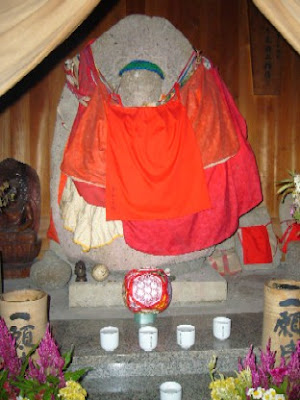
Harahoge Jizo はらほげ地蔵
Harahoge Jizoo


source : nagasaki/iki/kanko


This is a group of six Jizo statues standing on the beach of Iki island.
When the tide is up, they stand in water up to their waist, and on the chest, thay have a small hole (hara ga hogete iru). They are difficult to see because the red little aprons cover them completely.


CLICK for original LINK ... shoekankou
by shoe-yoko

Maybe the holes were made on purpose to keep the offerings from being washed into the sea.
Or to facilitate to make offerings from the boats during high tide.
Or as a talisman to protect the people from smallpox.
Or the Jizo were put up to pray for the safety of whalers in olden times and for the safety of the women divers (ama), who catch the local
uni 海栗 sea urchins.


CLICK for more photos

Now there is a safe pathway leading to the statues.

長崎県壱岐市芦辺町
On Iki island, there are many other natural famous stone formations.


Close by is a restaurant of this name

Harahoge Shokudoo はらほげ食堂
with special dishes of the local uni, collected by the ama women divers.


Harahoge Teishoku はらほげ定食 Harahoge Set Lunch

Uni Spagetti is also on the menue.


. WASHOKU
Food from Nagasaki prefecture


:::::::::::::::::::::::::::::::::::::::::::::::::::::::::::::::::::::::::::::::::::::::::::::::::::::


麦の秋はらほげ地蔵海の中
mugi no aki Harahoge Jizoo umi no naka

autumn of the barley -
the Harahoge Jizo
in the middle of the sea


Imai Kurako 今井久良子


:::::::::::::::::::::::::::::::::::::::::::::::::::::::::::::::::::::::::::::::::::::::::::::::::::::


. Jizo Bosatsu 地蔵菩薩 INTRODUCTION


Daruma Pilgrims in Japan

O-Fudo Sama Gallery

:::::::::::::::::::::::::::::::::::::::::::::::::::::::::::::::::::::::::::::::::::::::::::::::::::::

1/11/2010

Sakasa Jizo

[ . BACK to DARUMA MUSEUM TOP . ]

:::::::::::::::::::::::::::::::::::::::::::::::::::::::::::::::::::::::::::::::::::::::::::::::::::::

Fudo Myo-O Gallery

:::::::::::::::::::::::::::::::::::::::::::::::::::::::::::::::::::::::::::::::::::::::::::::::::::::

Sakasa Jizo さかさ地蔵
"upside down" Jizo


逆さ地蔵 sakasa Jizoo


He is in the wall of Koriyama Castle in Yamato Koriyama, Nara prefecture.
大和郡山城址

The stones from the river Mizutanigawa near Kasuga Taisha 春日大社の水谷川were not enough.
When the wall was erected, all the available big stones nearby where used for the construction. This Jizo also got into the wall, head down ... They also used stone lanterns and stone grave markers for the wall, which was build on behalf of Toyotomi Hidenaga 豊臣秀長, son of Hideyoshi, in 1585.


Reference


. Jizoo Bosatsu (Kshitigarbha) 地蔵菩薩
Introduction


:::::::::::::::::::::::::::::::::::::::::::::::::::::::::::::::::::::::::::::::::::::::::::::::::::::

Daruma Pilgrims in Japan

O-Fudo Sama Gallery

:::::::::::::::::::::::::::::::::::::::::::::::::::::::::::::::::::::::::::::::::::::::::::::::::::::

11/05/2009

Jizo Kunisada Chuji

[ . BACK to DARUMA MUSEUM TOP . ]

:::::::::::::::::::::::::::::::::::::::::::::::::::::::::::::::::::::::::::::::::::::::::::::::::::::

Daruma Pilgrims Gallery

:::::::::::::::::::::::::::::::::::::::::::::::::::::::::::::::::::::::::::::::::::::::::::::::::::::

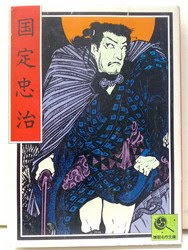
Kunisada Chuji 国定 忠治
Kunisada Chuuji

Kunisada Chūji (国定 忠治) (1810-1851)
His real name was Nagaoka Chuujiroo 長岡忠次郎.

CLICK for original LINK ... f.hatena.je.jp

He was born in Gunma prefecture 群馬県伊勢崎市国定町, into a noble home.
He later became a gambler and yakuza and roamed the area of Shinshu and Mount Akagi 赤城山南麓. He killed some officials, who were after him, like 島村伊三郎 and 玉村の主馬 and the detective Kansuke from Edo, 三室勘助.

He was put to death by crucification on January 22, 1851, together with 12 of his underlings (kobun 子分"children" ). The place was surrounded by heavy bamboo fences and 300 officers stood gard, because they feared his friends would come to his rescue. More than 1500 local people had gathered, to see the "noble gambler" get his official punishment. He was pierced by 15 spears before he finally died. Then his head was cut off and paraded through the area (sarashi kubi 晒し首).

After his death, legends began to build around this "noble yakuza" and he became more of a local hero. At the place of his punishment 大戸関所, a Jizo statue was errected to pacify his soul. When people offered incense there, their own illness of palsy would heal (since Chuji also suffered from palsy).
Or they would win in gambling (like Chuji).
Songs were written about Chuji and Mount Akagi and movies were cast with the popular hero.


国定忠治は鬼より怖い、にっこり笑って人を切る
Kunisada is more develish than the devil.
He smiles when he kills a person.


A group in his memory

忠治だんべ会
. . . CLICK here for Photos !


Kitajima Saburo is famous for his performance.
北島三郎

CLICK for original LINK

Isezaki Chuji
伊勢崎ってえば国定忠治だんべ


:::::::::::::::::::::::::::::::::::::::::::::::::::::::::::::::::::::::::::::::::::::::::::::::::::::


© More in the WIKIPEDIA !


His life as a good yakuza was made into many films, the most famous one with Mifune.


There are various stone memorials in his honor.
Two graves have been provided for him.

One is at temple Yoojuji 養寿寺.
. . . CLICK here for Photos !

He is also celebrated at temple 善應寺 as 遊道花楽居士 in Isezaki Town.
群馬県伊勢崎市国定町


He once hid in a cave, now the famous
忠治の岩屋 Chuji no Iwaya
CLICK here for PHOTOS !


:::::::::::::::::::::::::::::::::::::::::::::::::::::::::::::::::::::::::::::::::::::::::::::::::::::


Kunisada Chuuji Jizoo 忠治地蔵 Chuji Jizo

Various places claim this honor.


People from Akagi placed an old Jizo statue on his memorial place and clad the statue in the typical straw hat and falling robe of a yakuza.

When Chuji was in charge of the area of Akagi during the famines, he used his own money to provide food for the farmers and was well loved. He was kind of the famous "Robin Hood" of his area. They still honor his memory to this day.

famine of Tempo 天保の大飢饉

His famous last words were

赤城の山も今宵限りか
Akagi no yama mo koyoi kagiri ka


赤城の山も今夜を限り
生まれ故郷の国定の村や
縄張りを捨て国を捨て
可愛い子分のてめえ達とも
別れ別れになる首途(かどで)

CLICK for more photos
吾妻郡東吾妻町大戸


CLICK for original LINK


Now tourist buses come to this Jizo spot and souvenir shops flank the approach to it along the Old Road to Shinshu (Shinshuu kaidoo 信州街道).


There is also an old cherry tree near the memorial place.


忠治地蔵の桜 Chuji Jizo no Sakura
 吾妻郡東吾妻町大戸 Oodo (Odo)


:::::::::::::::::::::::::::::::::::::::::::::::::::::::::::::::::::::::::::::::::::::::::::::::::::::


Scarecrow like Chuji 国定忠治かかし


:::::::::::::::::::::::::::::::::::::::::::::::::::::::::::::::::::::::::::::::::::::::::::::::::::::


CLICK for more Kokeshi dolls of Chuji !

:::::::::::::::::::::::::::::::::::::::::::::::::::::::::::::::::::::::::::::::::::::::::::::::::::::


桑の実や忠治の墓へ駅3分      
kuwa no mi ya Chuuji no haka e eki sanpun

the grave of Chuji
is three minutes from the station -
oh these mulberries

Rakuga 楽可


WKD : Mulberry and silk related KIGO
Mulberry leaves were used to feed the silkworms, and the area of Chuji was famous for its silk production.


:::::::::::::::::::::::::::::::::::::::::::::::::::::::::::::::::::::::::::::::::::::::::::::::::::::


... ... ... Jizo Bosatsu 地蔵菩薩

. kyookaku 侠客 Kyokaku, "chivalrous Yakuza" .


Daruma Pilgrims in Japan

O-Fudo Sama Gallery

:::::::::::::::::::::::::::::::::::::::::::::::::::::::::::::::::::::::::::::::::::::::::::::::::::::::::::::::::::::::::::

[ . BACK to DARUMA MUSEUM TOP . ]
[ . BACK to WORLDKIGO . TOP . ]

:::::::::::::::::::::::::::::::::::::::::::::::::::::::::::::::::::::::::::::::::::::::::::::::::::::::::::::::::::::::::::
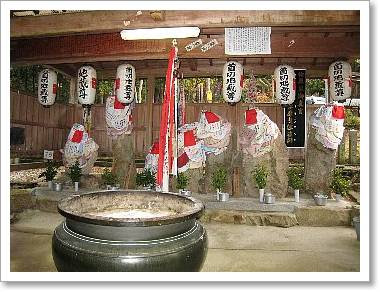
8/23/2009

Jizo Bosatsu and Haiku

[ . BACK to DARUMA MUSEUM TOP . ]

:::::::::::::::::::::::::::::::::::::::::::::::::::::::::::::::::::::::::::::::::::::::::::::::::::::

Fudo Myo-O Gallery

:::::::::::::::::::::::::::::::::::::::::::::::::::::::::::::::::::::::::::::::::::::::::::::::::::::

Jizo Bosatsu and Japanese Haiku

Main Entry
... ... ... Jizo Bosatsu 地蔵菩薩


:::::::::::::::::::::::::::::::::::::::::::::::::::::::::::::::::::::::::::::::::::::::::::::::::::::


CLICK for original LINK ..

鼻欠けし地蔵の御手や枯れし菊 寺田寅彦
hana kakeshi Jizoo no o-te ya kareshi kiku

Jizo without a nose
but here are his arms ...
withered chrysanthemums

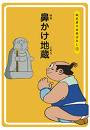
hanakake Jizoo 鼻欠け地蔵 / 鼻欠地蔵 Jizo without a nose, noseless Jizo


鼻かけ地蔵 Noseless Jizo at Sasagaura

source : www.kawaguchiya.jp

At Sasaura wan Inlay 楽々浦湾(ささうらわん)there is a small sanctuary with this Noseless Jizo, the statue is sayd to have been found by fishermen in the sea. As a thank you for saving him, this Jizo produced rice grains out of his nose. So one greedy man in the neighbourhood cut off the nose to have all the rice for himself. But the nose stopped pooring out grains and the Jizo stood there now without a nose.
On the festival in July they pound mochi ricecakes.
CLICK for more photos


The Sasaura Wan inlay is also famous for this haiku

雪の日や神の琵琶をも聞ばかり
yuki no hi ya kami no biwa o mo kiku bakari

城崎十景


Sasaura, Hyogo Prefecture
豊岡市城崎町大師山、楽々浦
. . . CLICK here for Photos !


There are other Jizo statues without a nose in other parts of Japan!


CLICK for original LINK  ...toriya
This is a statue from Ryookawa 良川.
A man walked in the forest alone at night in the area of Tango (Tottori) and saw a fox pulling the statue of Jizo behind him. When he checked the area later, the statue of Jizo had lost its nose indeed.


CLICK For original LINK ... noriquo
Two stone statues in a deep forest of the Kumano Mountains.
On the route from Yunomine Hotsprings
湯の峰温泉から大日山, 鼻欠け地蔵


a stone Jizo in the cliffs without nose and a few more
There is one near Kumamoto University, which Lafacdio Hearn visited frequently, near 立田山 near the cemetery 小峰墓地.
. . . CLICK here for Photos !

:::::::::::::::::::::::::::::::::::::::::::::::::::::::::::::::::::::::::::::::::::::::::::::::::::::


source : HAIKUreikuDB

あたらしき下駄のうれしき地蔵盆 岸風三樓
あつしともの給はぬなり石地蔵 暑 正岡子規
あまりたる幕を籬に地蔵盆 宮城きよなみ
あやす嬰は地蔵の重さ秋の暮 高澤良一 素抱

いが栗を地蔵の膝でわりしよな 青嵐
いたこの名みな仮名の二字地蔵盆 大坪景章
いなずまや地蔵の傍の硬い魚 赤尾兜子
うつつや冥き無言の雑踏地蔵盆 成田千空 地霊

おいらん草みえぬ顔して地蔵群 和知喜八 同齢
おほかたは蜑の子ばかり地蔵盆 長沼紫紅
おわら流し地蔵の辻を踊場に 茂里正治
おわら流し音締を合はす地蔵堂 毛塚静枝

お供物に隠れて盆の地蔵尊 村手圭子
お供物に電気の球も地蔵盆 茨木和生 往馬
お地蔵のもすそに鳴くや磯鵆 鬼貫
お地蔵を洗ふ村の子草の花 山田弘子 初期作品
お地蔵様にたのむことない石ころになるか 平岡国次郎
お月さまが地蔵さまにお寒くなりました 山頭火

かくれ津の地蔵とあれば月の鳰 吉野義子
かげろふや禁酒地蔵の笠は猪口 鷹羽狩行
かざりたてお地蔵見えずなりにけり 西山泊雲 泊雲句集
こがらしや油からびし石地蔵 亀卿
ここに又湖の入江の地蔵盆 大峯あきら 宇宙塵

さまよへる小さき螢や地蔵盆 五十崎古郷句集
しぐれ来よ地蔵尊忌の時雨れけり 斎藤一骨
しもつけや鼻欠け地蔵笑み給ふ 本田一朋
ずず玉の天つ日返す地蔵盆 高澤良一 ぱらりとせ

たうきびのひげのあかしや地蔵盆 角川春樹
だだちや豆大皿に盛り地蔵盆 本間まり
てつぺんに瘤ある地蔵岳粧ふ 山田春生
とかげ這ひ縁切地蔵燭一つ 有馬籌子
とろけ地蔵りつしんべんのやうに冬 須川洋子
どの露地も海見えてゐて地蔵盆 長沼紫紅
どぶにほふ苦情申さず地蔵盆 阿波野青畝

なむあみだ躰にたむる地蔵盆 高澤良一 ぱらりとせ
にぎやかに児の泣く声も地蔵盆 河野静雲
ぬれて来て地蔵にとまる蛍哉 蛍 正岡子規

ふさとめす地蔵の綿も夜寒かな 黒柳召波 春泥句集
ふるさとに土の道あり地蔵盆 大捕八重子
ふるさとの地蔵盆会に会ふならひ 安藤 徳太郎
ぼた餅や地蔵のひざも春の風 一茶 ■文化十一年甲戊(五十二歳)

もう秋風のお地蔵さまの首だけあたらしい 山頭火
もじずりの咲きて目洗地蔵道 西居 浩

やぶ入を守る子安の地蔵尊 蕪村遺稿 春
ゆきずりの燭を感ずる地蔵盆 飯田蛇笏 霊芝
ゆふべゆふべ地蔵にすだく藪蚊かな 言水「前後園」

わが松は縛地蔵に燃ゆる頃 阿部みどり女 月下美人
わが燭の遅れ加はる地蔵盆 橋本多佳子
わらべ唄地蔵にひびき明けの春 堤 久子

マリア地蔵首欠け子欠け昼の虫 中村明子

一夜は師と一夜は地蔵盆の客 八牧美喜子
一烏翔つて地蔵のゆらぐ冬がすみ 河野多希女
一群は地蔵流しか秋の川 寺田寅彦
三人子はときのま黙し山畑に地蔵となりて並びゐるかも 前登志夫

下闇やびつくりしたる石地蔵 木下闇 正岡子規
両の手の吾が子よその子地蔵盆 宮城きよなみ
丹波ほほづきどの子が上げし地蔵盆 長谷川かな女 花寂び
五月雨や漁家の軒端の地蔵尊 楠目橙黄子 橙圃
人住まぬ浦のにぎはふ地蔵盆 田中喜久代
今出でし蜥蜴濡身に地蔵の辺 杉本寛
仰向に地蔵こけたり春の風 春風 正岡子規
伝説の地蔵は花の奥深く 西岡長康
傾いて地蔵艶なる冬日かな 橋石 和栲
兄ありて妹賢し地蔵盆 林昌華

児が叩く気侭な鉦や地蔵盆 小山徑石
児等去つて黍に澄む灯や地蔵盆 西山泊雲 泊雲句集

六波羅はいま陋巷の地蔵盆 西尾砂穂
六道のどれが句のみち地蔵盆 林昌華

冬ざれや最果ての地の地蔵堂 鈴木紫苑
冬日向まぶたの重き地蔵尊 上田俊二
冬構肌も衣も石の地蔵 香西照雄 素心
冬瓜にことに燭のいろ地蔵盆 森 澄雄

出来過ぎ田青々と伏し地蔵盆 西村公鳳
切株に燭をきらさず地蔵盆 宮坂静生 山開
初地蔵初めて買ひし白髪染 中島美也
化粧地蔵納め子の夏果てにけり 樋笠文
北山へ遁げゆく雨や地蔵盆 成瀬櫻桃子

千体の地蔵彩どるかざぐるま 萩 尚子
千地蔵くりくりとこの暑い日に 和知喜八 同齢

口渇き藻とゆれる髪地蔵盆 成田千空 地霊
名月に辻の地蔵のともしかな 黒柳召波 春泥句集
啓蟄や地蔵へ届く風便り 仁志一子
四ッ当る油地蔵や句碑小春 磯野充伯

地獄絵に諭さるる子や地蔵盆 芦澤元子
地蔵いて峡の一戸へ雪の橋 和知喜八 同齢
地蔵そば地蔵煎餅松過ぎぬ 草深昌子
地蔵と電柱月の出しなの刻わかつ 磯貝碧蹄館 握手
地蔵めぐり壬生に日暮るる門茶かな 村山葵郷
地蔵より受けたる慈悲や地蔵盆 吉田汀史
地蔵より幼く駈けて昼の月 林田紀音夫

地蔵会に人出盛りて淋しさよ 原月舟
地蔵会に座敷帰りの老妓かな 合田丁字路
地蔵会に行き遇ふ水の匂ふ町 神戸周子

地蔵会のおさがりの白甜瓜 大石悦子 百花
地蔵会のお糸地蔵にお針子ら 豊里とも吉
地蔵会のこどもの色の紅冬瓜 森澄雄
地蔵会のすぎし風の木風の川 斎藤梅子
地蔵会のちようちん心にも灯る 岩見 敏
地蔵会の一と雨過ぎぬ宵のうち 橋本春燈花
地蔵会の一賑も宵のうち 武田夢仙
地蔵会の井水きらきら汲まれけり 鈴木しげを
地蔵会の十戸の講の一戸減る 近藤一鴻
地蔵会の提灯もまた揺るるもの 後藤夜半 底紅
地蔵会の日暮に赤き唐辛子 角川春樹
地蔵会の灯をひとつづつふやしけり 片山由美子 風待月
地蔵会の犬舌鳴らす潦 岸田稚魚 筍流し
地蔵会の町うきくさの匂ひけり 榎本冬一郎 眼光
地蔵会の笊にあふるる竹とんぼ 石鍋みさ代
地蔵会の脚濡れてゐる竹牀几 岡本高明
地蔵会の蝋涙おちて水に浮く 横山白虹
地蔵会の裏は葭原葭すずめ 辻田克巳
地蔵会の鉦の間遠き夜機織る 太田穂酔
地蔵会の鉦鳴る方へ歩きけり 比叡 野村泊月
地蔵会の霧降りてくる胸の前 志摩知子
地蔵会の饅頭届く駐在所 久保方子

地蔵会やちか道を行く祭客 蕪村
地蔵会や十団子吊りたる深庇 増田昭子
地蔵会や堂後にすだくきり~す 西山泊雲 泊雲句集
地蔵会や大寺ぬちの地蔵堂 尾崎迷堂 孤輪
地蔵会や樹と樹つなぎて映写幕 大島民郎
地蔵会や漏斗を据ゑて賽銭箱 西山泊雲 泊雲句集
地蔵会や祠とりまき土産店 西山泊雲 泊雲句集
地蔵会や線香燃ゆる草の中 高浜虚子
地蔵会や縄垣したる黍の径 西山泊雲 泊雲句集
地蔵会や芒の中に灯のともる 雑草 長谷川零餘子
地蔵会や近道を行く祭り客 蕪 村
地蔵会や鉦の合間に灯のふえて 高木瓔子
地蔵会や高くひびくは母の鉦 中村若沙
地蔵会や鶏頭四五本残し掃く 西山泊雲 泊雲句集
地蔵会をのぞきながらや通りけり 千原草之

地蔵列んでみどりの横顔秋旱 竹中宏 饕餮
地蔵坂朝は素面の酔芙蓉 旭蝸牛

地蔵堂に子守来る日の落葉哉 寺田寅彦
地蔵堂一体づつに鏡餅 高橋 進

地蔵峠タンポポと地蔵の群生 村田信子
地蔵會や木の根二間を掃さうじ 松瀬青々

地蔵湯の秋の灯洩るゝ女下駄 高澤良一 随笑
地蔵湯の道順聞いて夜長人 高澤良一 随笑

地蔵盆こんなに子供ゐたかしら 石原清美
地蔵盆すぎし亀の子束子かな 渡辺 昭
地蔵盆たらちね肌の餅供へ 赤松子
地蔵盆ちちはは山になりたまふ 熊谷愛子
地蔵盆つかめば財布しんなりと 辻桃子
地蔵盆つむり大小寄せ合へり 永方裕子
地蔵盆つんつるてんの男の子 館 さくら
地蔵盆とみに露けくなりにけり 河原白朝
地蔵盆よりあたらしき子らの箸 能村登四郎
地蔵盆二人ひとりに日の暮れし 猪俣千代子 秘 色

地蔵盆佐渡の夕焼さめてより 大峯あきら
地蔵盆子の寝しあとをなほ灯す 大石悦子 聞香
地蔵盆子らの言葉を灯と吊りて 大石悦子 群萌
地蔵盆子供の声の夜更けまで 桶口 満
地蔵盆子供の陣地暮れ残り 西村和子 かりそめならず
地蔵盆実の付いてゐる樒束 高澤良一 ぱらりとせ
地蔵盆山より闇の下りてきし 成瀬櫻桃子
地蔵盆嵐のあとの草の香に 大野林火
地蔵盆巫女が見せし死後の顔 河野南畦 湖の森
地蔵盆提燈が染める男の足 桜井博道 海上
地蔵盆旅の姉妹の灯のうちに 平井孝子
地蔵盆木の根に赤子置かれある 黛 執
地蔵盆森暮れて灯の濃くなれり 川村紫陽
地蔵盆海鳴路地の空にせり 茨木和生
地蔵盆用意の男くぎかなづち 川崎展宏
地蔵盆白粉花を蒐む子に 高澤良一 寒暑
地蔵盆草を跨ぎて嫗来る 南うみを
地蔵盆菩薩を潮で洗ひあげ 川井玉枝
地蔵盆負ふ児曳く児に螢籠 飯田蛇笏 椿花集
地蔵盆路地なくなりしビルの街 稲垣芳子
地蔵盆過ぎたる機の音なりけり 安住敦
地蔵盆酒くらい尼に好かれもし 古沢太穂
地蔵盆鉦を叩けば日暮れきて 関戸靖子
地蔵盆闇にとび出す輪投げの輪 杉山ふさ
地蔵盆青き棗に湖ながれ 岡井省二

地蔵絵の肩の流れに梅雨おぼゆ 阿部みどり女

坂あれば坂に灯がつき地蔵盆 岬雪夫
城跡に地蔵堂のみ雪のこゑ マブソン青眼
塩掛地蔵塩に盲ひて春逝かす 安住 敦

夏の昼酒呑み地蔵頭に手 和知喜八 同齢
夏木立猿羽根地蔵の後生車 斎藤耕次郎
夏野越ゆ草より低き辻地蔵 鍵和田[ゆう]子 未来図

夕すずみ地蔵こかして迯げにけり 大江丸「俳懺悔」
夕立や市ちらばつて地蔵尊 夕立 正岡子規

大人びし声をかけゆく地蔵盆 脇坂啓子
大木にかくれて雪の地蔵かな 尾崎放哉
大榎昏れてしまひぬ地蔵盆 伊原正江
大樹下の夜店明りや地蔵盆 杉田久女
太秦や祭る地蔵の草の花 田山耕村

姫蔦や地蔵の膝へ這ひ上る 寺田寅彦

子うさぎを暗がりに売る初地蔵 風戸庸子
子が慕ふ下宿学生地蔵盆 大串章 朝の舟
子が打てば子の鉦の音地蔵盆 中村若沙
子とともに織子の一夜地蔵盆 近藤一鴻
子の手ひき地蔵詣も暮れぬうち 八木春
子らが囃す夜空のまろさ地蔵盆 山田みづえ
子をもたぬ四十のをんな地蔵盆 黒田杏子 水の扉
子供らは馳け地蔵盆町々に 加倉井秋を 午後の窓
子地蔵の唇に紅さす枯世界 岸田稚魚 筍流し
子地蔵の赤き口元別れ霜 竹澤茂子
子地蔵へたんぽぽの絮は光る音符 平井さち子 完流
孑孑の地蔵の水の他知らず 山尾玉藻

家ごとに菓子配らるる地蔵盆 高市幸子
寄附とりに来るも子供等地蔵盆 榊水里

寒柝や地蔵の多き湯の町に 鍵和田[ゆう]子 浮標
寒雲や地蔵となりて石怺へ 秋元不死男

寺の裏にて行水す尼地蔵盆 長谷川かな女 花寂び
小地蔵に暮れをいそがぬ春の川 柴田白葉女 花寂び 以後
尼の守る鑑貞地蔵子供盆 西本一都 景色
屋台の灯ばかり明るく地蔵盆 関根章子

山ざくら地蔵の肩の肉厚し 磯貝碧蹄館
山刀伐の地蔵に供ふ粽かな 板垣きぬ子
山道となりて灯が混む地蔵盆 中川須美子
山道に並ぶ地蔵や露涼し 金子幽霧

岩倉の目無し地蔵のしぐれぐせ 大野林火

川がりや地蔵のひざの小脇差 一茶 ■文化十年癸酉(五十一歳)
川上に崖崩れあり地蔵盆 山本洋子
川地蔵供養稲の香むせるなか 高澤良一 ぱらりとせ
川波のあしもと洗ふ地蔵盆 斎藤梅子
川狩や地蔵の膝の小脇差 一 茶
川風や子が子を負ひて地蔵盆 大石悦子 聞香

帯さげし子の可愛さや地蔵盆 上川井梨葉
干飯が匂ふ水掛地蔵かな 橋本鶏二
年寄りの泣き虫地蔵蝉きこゆ 和知喜八 同齢
幻燈はいま西遊記地蔵盆 大堀たかを
庫裡通る児等をとがめじ地蔵盆 西山泊雲 泊雲句集
引き菓子の落雁甘く地蔵盆 大野 すみ
影踏を教へられをり地蔵盆 茨木和生 往馬
徂く春や塩まみれなる塩地蔵 福田蓼汀 秋風挽歌

御地蔵と日向ぼこして鳴ち鳥 一茶 ■文化十年癸酉(五十一歳)
御地蔵の手に居へ給ふ蛙かな 一茶 ■文化十二年乙亥(五十三歳)

忘れ帽子地蔵がかぶり天高し 市野沢弘子
手に受けて駄菓子の湿り地蔵盆 若井菊生
手足あげ地蔵流しの餓鬼溺る 西本一都 景色

抱かれゐる子も手を合はす地蔵盆 増田松枝
抱き上げたくなりさう小春の地蔵さま 茂里正治
抱き地蔵軽き八月十五日 犬塚南川

持ち寄りし団子まちまち地蔵盆 西村和子 かりそめならず
捩り花地蔵無言の石並ぶ(津軽路) 河野南畦 『湖の森』

提灯のこゑ揺れてくる地蔵盆 石原君代
提燈の高さちぐはぐ地蔵盆 鈴木良戈

撫子や高野の道の地蔵堂 河東碧梧桐
数珠の手を合はす地蔵に春の風 清水タミ子
数珠廻す子らも減りたる地蔵盆 竹田幸子

新しき地蔵の前掛けまんじゅさげ 高澤良一 寒暑

春なれや笠縫邑の笠地蔵 角川春樹 夢殿
春寒し地蔵の見えぬ地蔵岳 大木あまり 山の夢
春昼を唯々としばられ地蔵尊 町田しげき
春蚕飼ふ地蔵参りの済みしより 疋田華子
春野より帰れば地蔵せしといふ 春野 正岡子規
春陰や縛り地蔵に泣きぼくろ 佐藤みかこ

昨年は夏 地蔵盆会の膳に見し茄子の木乃伊・胡瓜の木乃伊 梅津英世
昼顔や砂に埋れし石地蔵 寺田寅彦
時代祭行く町角の置地蔵 中井又一郎
月潟や地蔵の前に金魚売り 林 和子

朝寒の地蔵湯に湯を使ふ音 高澤良一 随笑
朝霜や無縁地蔵のよだれがけ 寺田寅彦

木下闇ところところの地蔵哉 木下闇 正岡子規
木下闇人驚かす地蔵かな 木下闇 正岡子規
枝に吊る筵の日除地蔵盆 田中紫水
柳川は水辺々々の地蔵盆 江口竹亭
柳散る土橋のもとの地蔵哉 寺田寅彦

椎茸を供へて与一地蔵尊 川崎展宏
樵夫らの負ふ子牽く子に地蔵盆 飯田蛇笏
樹にも雨水にも雨や地蔵盆 神尾季羊

母の嘘なつかし地蔵盆の闇怖ろし 河原枇杷男 定本烏宙論
水かけてはなやぐ袂初地蔵 岡田信成
水子 水子と 烏が啼いて 地蔵に雨 伊丹公子 ドリアンの棘

油火の焔地を這ふ地蔵盆 猪股洋子
治聾酒といひて地蔵にかけゐたり 滝沢伊代次
洗はれてつむり涼しき石地蔵 樋笠文
洗はれて目鼻失ふ初地蔵 大淵竜策
浜地蔵おはす桑名のしじみ汁 中山純子

浦山の草に灯ともる地蔵盆 下村ひろし 西陲集
海の日焼子山の日焼子地蔵盆 飯田龍太
海女一人時化の地蔵へ灯を上げに 石井とし夫

涎掛け取替え在す地蔵盆 松井蕪平
清水音の時に呪詛めき百地蔵 鍵和田[ゆう]子 浮標

湖の子の肩揚げ深き地蔵盆 能村登四郎 寒九
湖北いま夕風となる地蔵盆 伊藤京子
湖北には地蔵多くて芋茎煮る 梶山千鶴子

湯上りの匂ひのこども地蔵盆 中戸川朝人 残心
湯上りの項匂ふよ地蔵盆 三村 純也
湯掛地蔵に解散松明スキー隊 中戸川朝人 尋声

満月でお地蔵さんと並んでる 谷 佳紀
滴りを受くる地蔵の地蔵盆 茨木和生 往馬
潟日和柞の奥の地蔵堂 新谷ひろし
潮引くと地蔵囁く五月闇 鈴木真砂女

火事あらばいかにする路地地蔵盆 森田峠
火口湖の経舟流す地蔵盆 角川源義
灯して風ある空や地蔵盆 大石悦子 群萌
灯のそとの貌もの言ヘり地蔵盆 西園寺明治
灯の色も人恋ふ色や地蔵盆 藤原文子
灯を低く飛鳥大仏地蔵盆 坂本宮尾
炉話や人にのこれる地蔵顔 加藤耕子

炎天の地蔵の頭撫でて過ぐ 青柳志解樹(1929-)
炎天や口をつぐみし石地蔵 成瀬櫻桃子 風色以前
炎天や水かけ地蔵の鐘が鳴る 串間栄一

焼残る広野の中の地蔵哉 焼野 正岡子規
燈に染まる猫の総身地蔵盆 中山純子 沙羅
燕や合掌を解く地蔵岩 田川飛旅子
牛の虻マリア地蔵にまつはれり 辻桃子

牛馬よく通る地蔵会暮れぬうち 榎本冬一郎
田仕舞の地蔵に供華や年用意 角川源義
田起しの土の香りも地蔵尊 姉崎蕗子

町の音ややほとびたる地蔵盆 小林康治 『華髪』

百地蔵見て頭重りや紅葉冷え 鍵和田[ゆう]子 未来図
百姓顔におはす鑑貞地蔵盆 西本一都 景色

盆果ての色に名残の辻地蔵 佐藤奉子
盆用意地蔵の帽子縫ふことも 本谷久邇彦
盆過ぎのたゞの地蔵や草の花 五十嵐播水 播水句集

真冬日の地蔵薄目をあけたまま 林秀夏

知らぬ子に紅さしてやる地蔵盆 林佑子
知らぬ子は一人も居らず地蔵盆 忽那文泉

石のころもに山茶花ちりぬ地蔵尊 中勘助
石仏堂余りて雪の一地蔵 猿橋統流子
石地蔵の袖の長さよ七五三 中村草田男

磯地蔵恃まれてゐる磯開 古本二三子

秋しぐれ母似地蔵にそっと傘 武 明菜
秋の暮辻の地蔵に油さす 與謝蕪村
秋晴や御肌ぬくき地蔵尊 高橋淡路女 梶の葉

稲埃まとひて独り石地蔵 小池龍渓子
稲架襖めぐりいづれば芋地蔵 銀漢 吉岡禅寺洞

積みあげし竹瓮の中の地蔵盆 米沢吾亦紅
空を見る母は泣虫地蔵です 関田誓炎

竹く方に又地蔵会の絵燈籠 比叡 野村泊月
竹の春地蔵の濡れぬほどの雨 常行佐代子
竹筒に夥しき菊や地蔵堂 寺田寅彦

笹の葉に包むお布施や地蔵盆 谷渡末枝
笹立てて嵯峨の辻々地蔵盆 鈴鹿野風呂
笹立てて提灯吊つて地蔵盆 西村和子 かりそめならず

篠の子やみづ子地蔵の耳乾く 古舘曹人 能登の蛙
紅葉狩地蔵峠の名に惚るる 藤田湘子
結氷のごとく塩被て地蔵凍む 中戸川朝人 尋声
綿入れを被てゐる水子地蔵かな 谷口和子
緑陰の一番古い地蔵尊 光宗柚木子
練供養地蔵菩薩は緋の衣 延江金児
縛られ地蔵百の結び目きりぎりす 水口郁子
縛られ地蔵縛られつづく真炎天 毛塚静枝
繰る数珠の老いには重き地蔵盆 縄本真里

義仲寺の腰抜犬や地蔵盆 八木林之助
義士祭や北向地蔵にも回向 森田 峠
脛白き休日の父地蔵盆 岡本 眸
興ざめの一と雨なりし地蔵盆 波多野爽波 鋪道の花
艀まで灯の届きゐる地蔵盆 中村石秋
色町の名残の小露地地蔵盆 毛塚静枝
艶ばなしさらりとありし地蔵盆 波多野爽波 『骰子』
芋子汁振り向くたびに地蔵岳 草間時彦
芭蕉生家昨夜地蔵会の行燈置く 橋本鶏二

花擬宝珠眼より暮れゆき石地蔵 川本けいし
花桐を拝める石の地蔵尊 長谷川かな女 花寂び
花梓襞に雪おく地蔵岳 山田春生
花苔や微妙に違う地蔵の掌 當山孝道
花街に子供少なき地蔵盆 竹野梢星

苔の花さくや地蔵の首の跡 苔の花 正岡子規
苔地蔵リュック背負へばぬくまるよ 平井さち子 鷹日和
若草に線香たてたる地蔵哉 若草 正岡子規

茄子南瓜煮えてとろとろ地蔵盆 岸本尚毅
茅の鹿地蔵に供へ雨祈る 曽根 満
茅舎忌や瞼にのこる杖地蔵 河野静雲
茶畠に提灯吊りぬ地蔵盆 大峯あきら

草少し地蔵の膝に萌えんとす 草萌 正岡子規
草枯れて地蔵が示す道しるべ 福原十王
草焼きて道現はるる地蔵盆 山下実
草紅葉地蔵は素足のままに立ち 杉山畝女

菜の花に居あまる蝶の石地蔵 菜の花 正岡子規
菱岩の岩ちやんのゆく地蔵盆 黒田杏子 花下草上
落葉明り地蔵も病む眼持ち給ふ 河野多希女 月沙漠
蒲公英に人の参らぬ地蔵かな 蒲公英 正岡子規
蕗の葉に蝋燭ともす地蔵盆 宮岡計次
薔薇のとげぬき地蔵前四人下車 仁平勝 花盗人
藤棚をあふるる蔓や地蔵盆 藺草慶子
蚊柱や地蔵ばかりの山の裏 仙田洋子 橋のあなたに
蜑が家のいや篤くせる地蔵盆 大石悦子 百花
蝉採り子首欠け地蔵蝉とめて 和知喜八 同齢
蝸牛や地蔵の眉にうつせ貝 雑草 長谷川零餘子

行き過ぎて胸の地蔵会明りかな 鷲谷七菜子(1923-)
行く方に又地蔵会の絵燈籠 野村泊月
行灯に尼のみづぐき地蔵盆 西本一都 景色
行秋や三田に延命地蔵堂 石川桂郎 含羞

西陣や織子老いたる初地蔵 草間時彦
親つらゝ子つらゝ角兵衛地蔵前 広瀬一朗
誰の背も闇が濃くなる地蔵盆 鍵和田[ゆう]子 浮標
誰願ぞ地蔵縛りし藤の花 高井几董
貝母咲く地蔵の慈悲にうなづきつ 羽田岳水
賑やかと思ひてさびし地蔵盆 加倉井秋を 午後の窓

赤とんぼ子育地蔵の膝が好き 井上美寿恵
赤地蔵土用ねずみの糞ころと 辻桃子
赤城暮れ梨園灯る地蔵盆 宮武寒々 朱卓

路三叉草茂りけり石地蔵 草茂る 正岡子規
路地あればここにも小さき地蔵盆 川上万里
路地入れば横丁よぎれば地蔵盆 矢野蓬矢

辻ごとに比叡の見ゆる地蔵盆 山田ひろむ
辻君や落葉ひつつく石地蔵 落葉 正岡子規
辻地蔵祈りの数の冬著着て 阿部千恵子

道の辺に広隆寺あり地蔵盆 村山古郷
道の辺のほの明るみて地蔵盆 今井つる女

遭難の身代わり地蔵千鳥啼く 近澤杉車
重ね着の島の地蔵や日脚伸ぶ 玉井邦子

野とともに焼くる地蔵のしきみかな 蕪村
野の地蔵雪間の土を見てござる 村越化石
野地蔵にかさりかさりと鬼やんま 小園葉舟
野地蔵に手縫ひ頭巾や魂祭 岡村優子

長き夜の熱きが薬地蔵の湯 高澤良一 随笑
開かれて地蔵王廟花あかり 古賀まり子
間引き子の身替り地蔵芋の露 小池つと夢
阿倍野区は路地地蔵盆路地のもの 宮津昭彦
雀らの顔の険しき地蔵盆 大木あまり 火球

雪しまく富士や薩*たの地蔵道 浅場英彦
雪だるま痩せて地蔵に似てきたり 市川たち子
雪に挿す造花の供花も初地蔵 進藤芽風
雪の夜の浪除(のたよけ)地蔵文弥かな 金子のぼる
雪嶺に真向き居並ぶ化け地蔵 岡田日郎
雪嶺や地蔵のごとく吾を残す 渡辺七三郎
雪空暮れくるお地蔵の前の道をとる 人間を彫る 大橋裸木
雪達磨暮れて地蔵になりすます 田中生也

電球一つ借りて増やしぬ地蔵盆 松山足羽
震災忌るると縋りて稚子地蔵 松村蒼石 春霰
霜がれのそれも鼻かけ地蔵哉 一茶 ■文化十一年甲戊(五十二歳)
露地あればここにもちさき地蔵盆 川上万里
露草や露に坐したる地蔵尊 寺田寅彦

青田中わが名の地蔵様ありき 皆川白陀
青葉蔭首筋細き耶蘇地蔵 羽部洞然
青蛙跳ぶ跳ぶ水子地蔵さま 菊池郁子(屋根)

顔のなき間引地蔵に天草干す 高島 茂
顔拭いて貰ひて兄と地蔵盆 福井隆子
顔裂けた地蔵もろとも山畑売られ 西川徹郎 天女と修羅

飯の香や子等に露おく地蔵盆 妻木 松瀬青々
首のなき地蔵の列果て花御堂 草田男
馬つなぐ橋の袂の地蔵盆 西山泊雲 泊雲句集
馬方の世話人頭地蔵盆 河野静雲 閻魔

鮭漁尽き目鼻自然に帰す地蔵 平井さち子 完流
鳩笛や辻の地蔵に鍵かけて 夏秋明子
鷺赤くとんで日暮れて野地蔵会 落合水尾

麦わらを取りかぶせけり地蔵堂 平交 俳諧撰集「有磯海」
麦藁や地蔵の膝にちらしかけ 麦藁 正岡子規

黍束ねあげて広さや地蔵盆 西山泊雲 泊雲句集
鼬なく尾花の奥や化地蔵 寺田寅彦


:::::::::::::::::::::::::::::::::::::::::::::::::::::::::::::::::::::::::::::::::::::::::::::::::::::

... ... ... Jizo Bosatsu 地蔵菩薩

Daruma Pilgrims in Japan

O-Fudo Sama Gallery

:::::::::::::::::::::::::::::::::::::::::::::::::::::::::::::::::::::::::::::::::::::::::::::::::::::

5/08/2009

Kubikiri Jizo

[ . BACK to DARUMA MUSEUM TOP . ]
:::::::::::::::::::::::::::::::::::::::::::::::::::::::::::::::::::::::::::::::::::::::::::::::::::::
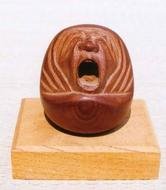
Fudo Myo-O Gallery

:::::::::::::::::::::::::::::::::::::::::::::::::::::::::::::::::::::::::::::::::::::::::::::::::::::

Jizo with his head cut off - 首切り地蔵
kubikiri Jizo, kubikiri Jizoo

Chop-Neck Jizo / Neck chop Jizo
Jizo statue with its neck severed

There are various legends about Jizo statues with a head cut off.

:::::::::::::::::::::::::::::::::::::::::::::::::::::::::::::::::::::::::::::::::::::::::::::::::::::


Jizo statues in the are of the ninja in Iga 伊賀忍者.
The Iga and Koga fighters were the only ones to resist the onslaught of Oda Nobunaga to unify the area. They had promised to help each other to defent themselves. Nobunaga first defeated the Koga and then marched on into Igaland.
The Iga seemed to be driven back and then he came back with a large army of 45000 soldiers and defeated them.
The area with stone statued, which were also beheaded by the soldiers to show their might, are still to be seen today.

CLICK For original Link, NHK HISTORIA
source: NHK Historia


:::::::::::::::::::::::::::::::::::::::::::::::::::::::::::::::::::::::::::::::::::::::::::::::::::::


Kubikiri Jizo Son 首切地蔵尊
The fugitives of Heike (the Taira clan), who were defeated in the battle of the Uji River and driven into the mountains, died a violent death in present-day Tanba City in 1184. Feeling sorry for them, the villagers erected several stones and placed flowers in front of them to pray for the repose of their souls.
By and by the stones became famous as Jizo statues, which have the power to fulfill people’s wishes. 3 statues of Jizo with no heads stand side by side on the stone steps and 7 in the small hall.
Those statues are known for fulfilling the wishes concerning the head such as academic accomplishment, prevention of becoming forgetful with age, and recovery from illness. A lot of students taking an entrance examination to a university come to pray for these Jizo statues during the season of the entrance exams.
On the days of Jizo Festivals held in March and September every year, a lot of visitors come to the mountain, which is also known as a nice place for hiking.
source : nippon-kichi.jp
丹波市山南町


CLICK for more photos

More PHOTOS
首切り地蔵


:::::::::::::::::::::::::::::::::::::::::::::::::::::::::::::::::::::::::::::::::::::::::::::::::::::

On a path in Nara Park in the Kasuga woods
is this Jizo with his neck sliced by famous samurai, Araki Mataemon, while testing his blade for sharpness...


- shared by John Dougill - facebook -


:::::::::::::::::::::::::::::::::::::::::::::::::::::::::::::::::::::::::::::::::::::::::::::::::::::


Mizuyoshi Town 水吉

Three stone heads of Buddha stautes
石造仏頭(せきぞうぶっとう) sekizoo buttoo


CLICK for original LINK : portal.jmix.jp/furusato/bunkazai.php?chk3=on

head of Amida, 73 cm
head of Kannon, 71 cm
head of Jizo, 55 cm

in 三和区水吉

The Jizo had been in Mizuyoshi Jizo Yashiki 水吉地蔵屋敷.
Kannon and Amida come from 水吉字堂. They are generally known as the

Jizo with the cut head.
The bodies have been made of a natural stone in nature and the head of each deity had been put on top of that. The heads are rather large.
Niigata Prefecture
新潟県上越市三和区水吉


:::::::::::::::::::::::::::::::::::::::::::::::::::::::::::::::::::::::::::::::::::::::::::::::::::::

There is even a detective story from Nara with this title!

大和路首切り地蔵殺人事件
和久峻三


reference

The statue is on the Kasuga trail in Nara.

:::::::::::::::::::::::::::::::::::::::::::::::::::::::::::::::::::::::::::::::::::::::::::::::::::::

Fukushima 福島県 - 泉崎村 Izumizaki village
This kubikiri Jizo is also called 武光地蔵 Takemitsu Jizo.
- here is the story:
In 仙台伊達藩 the Date Domain (Sendai)lived a samurai named 赤胴三五平 Akado Sangobe .
He had to go to Edo by an order from his lord.
When he passed here, he saw a beautiful woman on the road in the evening.
He thought this woman must be a monster and tried to kill her with his sword named
Takemitsu 武光 (竹光) "bamboo sword".
On his way back from Edo he passed the same spot and saw a stone statue of Jizo with its head fallen off . . .


:::::::::::::::::::::::::::::::::::::::::::::::::::::::::::::::::::::::::::::::::::::::::::::::::::::


At the temple Enmei-Ji in Tokyo
延命寺

小塚原刑場跡

kubikiri Jizoo 首切り地蔵 Jiso Bosatsu to help the beheaded

CLICK for more photos

This statue is 3.6 meters high and was erected in 1714.
It has been put up for those who could not get the final Buddhist rites in the time of dying. They were executed. See also below, kubizuka.
At the Kotsukappara 小塚原刑場 execution grounds in Minami Senju, Edo.


. Criminal Punishment in Edo .


:::::::::::::::::::::::::::::::::::::::::::::::::::::::::::::::::::::::::::::::::::::::::::::::::::::

Kubizuka, memorial stone pagodas and mounds
for the beheaded ... 首塚


MORE
Jizoo Bosatsu (Kshitigarbha) 地蔵菩薩


Daruma Pilgrims in Japan

O-Fudo Sama Gallery

:::::::::::::::::::::::::::::::::::::::::::::::::::::::::::::::::::::::::::::::::::::::::::::::::::::::::::::::::::::::::::

[ . BACK to DARUMA MUSEUM TOP . ]
[ . BACK to WORLDKIGO . TOP . ]

:::::::::::::::::::::::::::::::::::::::::::::::::::::::::::::::::::::::::::::::::::::::::::::::::::::::::::::::::::::::::::