:::::::::::::::::::::::::::::::::::::::::::::::::::::::::::::::::::::::::::::::::::::::::::::::::::::
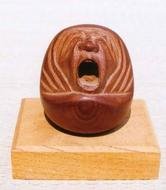
Daruma Pilgrims Gallery
kokerabuki 柿葺 see below
:::::::::::::::::::::::::::::::::::::::::::::::::::::::::::::::::::::::::::::::::::::::::::::::::::::
mon 門 (kado) ...
the gate of a temple, castle, town or estate

Many farmhouses in my area have a "nagayamon" "long gate house", with one room for the retired head of the family (inkyobeya) and some space for storing supplies at the other side of the entrance throughfare.
:::::::::::::::::::::::::::::::::::::::::::::::::::::::::::::::::::::::::::::::::::::::::::::::::::::
The most beautiful "gate" is probably the Yomeimon in Nikko,
part of the world heritage of Nikko.
陽明門【ようめいもん】-日光東照宮

sanmon 山門 "mountain gate" of a Buddhist temple
monzenmachi 門前町 town in front of the gate of a temple or shrine
They vere especially prosperous with pilgrims during the Edo period.
akazumon 不開門
byoumon 廟門
chuumon 中門
Dairimon 内裏門
hakkyakumon 八脚門
kabukimon 冠木門
Narukomon 鳴子門
roumon 楼門
suzakumon 朱雀門
yashikimon 屋敷門
Youmeimon 陽明門 and many more
Read more information about Japanese Gates
JAANUS : gate ... Daimon 大門 (the Big Gate)
amigasamon 編笠門 lit. gate like a braided straw hat

- quote
amigasamon 編笠門 Also written 網笠門.
A wattle-hood gate.
A simple gate used as a middle gate in a garden *roji 露地, surrounding a tea ceremony house *chashitsu 茶室. The name derives from the gate's resemblance to the shape of a wattle or braided hat. A simple shingled roof *kokerabuki 柿葺, or a cypress-bark thatched roofing *hiwadabuki 檜葺, is commonly used for this type of gate.
An example at Mushakouji Senke 武者小路千家 in Kyoto has a 62cm frontage and is roofed with boards that are 0.9-1.5cm thick, 65cm long and 9-15cm wide. The Japanese cedar boards, sugi-ita 杉板, are the thickest type of roofing boards. The ridge is made of curved bamboo and the underside of the roof is lined with split cedar strips and white bamboo. The gate doors are made of bamboo lattice set in a frame of duck boards *sunoko 簀の子. Another famous example is the middle gate at Daitokuji Kohouan 大徳寺孤蓬庵 in Kyoto.
- source : jaanus/deta/a/amigasamon

- - - - - CLICK for more photos !
kokerabuki 柿葺
A roof covering made with a layer of thin wooden shingles made of cypress. The shingles are about 0.3cm-0.5cm thick, 9cm-15cm wide and about 30cm long. The shingles are secured with bamboo nails.
Sometimes cedar or persimmon wood is used.
(JAANUS)
kokerabukishi, kokerabuki-shi 柿葺師 / こけら葺師
craftsman roofing with wooden shingles
He keeps a lot of bamboo nails in his mouth and spits them out one by one to hammer in as the work proceedes and he fixes each tile on the roof.

- read it online : gakugei-pub.jp -
檜皮葺と柿葺 / 原田多加司
Chapter 1: 1 檜皮葺・柿葺の歴史 屋根の歴史、職人の歴史
. Fukiyachoo 葺屋町 Fukiyacho District of roof thatchers .
Edo
. shokunin 職人 craftsman, craftsmen, artisan, Handwerker .
. monzenmachi 門前町 "town in front of the gate" .
:::::::::::::::::::::::::::::::::::::::::::::::::::::::::::::::::::::::::::::::::::::::::::::::::::::

kuchi wa wazawai no kado 口は禍の門
The mouth is the front-gate
of all misfortune.
The mouth is the root of trouble.
:::::::::::::::::::::::::::::::::::::::::::::::::::::::::::::::::::::::::::::::::::::::::::::::::::::
H A I K U
kigo for the New Year
kado no haru 門の春(かどのはる) spring at the gate
. Gate Decoration with Pine, kadomatsu 門松
. kado nyuudo 門入道(かどにゅうどう)to ward off the demons at the gate
oniuchigi, oni uchigi 鬼打木 (おにうちぎ)
. kadorei 門礼(かどれい)New Year visitor ("at the gate" )
..... kado no reichoo 門の礼帳(かどのれいちょう)
book for signing New Year wishes
. kadobiraki 門開き(かどびらき) "opening the gates again"
..... kadoake 門明け(かどあけ)
. hatsu kadode 初門出 (はつかどで) first going out
..... hatsuasa kadode 初朝戸出(はつあさとで)
first leaving the house on January 1
. kado-uchi 門打(かどうち)"hitting the gate", spring prayer at the gate
special ceremony in North Japan
Sanmonbiraki, sanmon biraki 山門開き (さんもんびらき)
opening the temple gate
During the Edo period, the gates of famous temples in Edo were opened on January 16th and people could climb up the gate tower.
Now this custom has been abolished.
SAIJIKI – NEW YEAR OBSERVANCES
.................................................................................
kigo for all spring
hana no mon 花の門(はなのもん)gate with cherry blossoms
kigo for late spring
kado yanagi 門柳(かどやなぎ)willow tree by the gate
Issa and a pipe haiku
by my gate's willow
. kuwae giseru muyoo de mo nashi kado yanagi
.................................................................................
kigo for all summer
. kado shimizu 門清水(かどしみず)
clear water at the corners (of an estate)
ari no to watari 蟻の門渡り(ありのとわたり)
ants crossing the gate
(according to the Chinese lore)
refers to a row of ants, to a small mountain pass and to the perineum, part of the human body.
mugura no kado 葎の門(むぐらのかど)
gate covered with cleaver weeds
usually of a poor and abandoned home
. mugura 葎 (むぐら) cleavers
.................................................................................
kigo for late summer
kado suzumi 門涼み(かどすずみ)coolness at the gate

:::::::::::::::::::::::::::::::::::::::::::::::::::::::::::::::::::::::::::::::::::::::::::::::::::::
Read the full discussion of the translations here
. Compiled by Larry Bole
Translating Haiku Forum
April is National Poetry Month in the US.
Today, 4/22, I received this Poetry Daily Poet's Pick:
門々の下駄の泥より春立ちぬ
かどかどのげたのどろよりはるたちぬ
Kado kado no
Geta no doro yori
Haru tachinu.
At every doorway,
From the mud on wooden clogs,
Spring begins anew.
Issa
— Translated by Daniel C. Buchanan
One Hundred Famous Haiku
Japan Publications, Inc. (Tokyo and San Francisco 1976)
* * * *
Other translations:
Kado-gado no geta no doro yori haru tachinu
At every gate,
Spring has begun
From the mud on the clogs.
trans. Blyth
Blyth's comment:
To see the beginning of spring in the black mud that sticks to everyone's 'geta',--this especially belongs to Issa. Up to the present, the mud has seemed only something dirty and unwanted, but as the harbinger of spring the mud now is not seen as an inconvenient and ugly thing, but as a delicate happiness for everybody.
* * * *
Kado kado no geta no doro yori har u tachinu.
Spring has come! In the mud of each family's geta.
trans. Max Bickerton
The Transactions of the Asia Society of Japan, Second Series, Vol. IX, 1932
Bickerton's comment:
In his [Issa's] effort to get away from the banal, his conflicts sometimes are very prosaic. Most people associate spring with new leaves, and cherry blossoms, but Issa looks down to people's feet, and sees its arrival in their geta, dirty with the mud of melted snow.
* * * *
kadokado no geta no doro yori haru tachinu
from the mud of geta
going gate-to-gate
spring begins
trans. Higginson
UVA Library Etext Initiative, Japanese Haiku, 'risshun': beginning of spring
* * * *
At every doorway,
From the mud on the wooden clogs
Spring begins anew
trans. Daniel C. Buchanan
I include this translation again because it is also found at the artist Jo Fallon's website:
http://www.jofallon.co.uk/index.php?/work/haiku/

She has illustrated this haiku there with a nice painting.
* * * *
kado-gado no geta no doro yori haru tachinu
muddy clogs
at the gates reveal...
it's spring!
trans. Lanoue
My EL version:
kado kado no geta no doro yori haru tachinu
at gate after gate
mud-caked clogs--
must be spring!
Issa, trans. Larry Bole
:::::::::::::::::::::::::::::::::::::::::::::::::::::::::::::::::::::::::::::::::::::::::::::::::::::

Issa about becoming 60 !
まん六の春と成りけり門の雪
manroku no haru to nari keri kado no yuki
60 years old
my new spring
snow at my gate
. manroku .. the 60th birthday
Issa and the outhouse ...
. nushi ari ya no setchin ni mo kado no matsu
Issa and the gate of a graveyard
. omboo ga kado mo soyo-soyo aoyagi zo
Issa and the new year at his gate
. waga kado wa hiru sugi kara ga ganjitsu zo
.............................................................................
門前や 何万石の 遠がすみ
monzen ya nanmangoku no toogasumi
finally Matsuyama !
the far away haze
of a thriving town
(this is a rather free translation)
. Temple Saimyo-Ji and Issa
最明寺(さいみょうじ)
.............................................................................
翁忌や何やらしゃべる門雀
okina-ki ya naniyara shaberu kado suzume
Basho's Death-Day--
what are you chattering
sparrows at the gate?
. Issa and the memorial day of Basho
.............................................................................
Temple Gate,
no garlic or liquor beyond this point!
. kunshuu sanmon ni iru o yurusazu
.............................................................................
. Kobayashi Issa 小林一茶 Issa in Edo .
あとの家もかすんで音途々哉
ato no ie mo kasunde *[kadode] kadode kana
leaving, leaving
the last house, too
now mist
Tr. Chris Drake
This hokku is from the 2nd month (March) of 1819, the year described in Issa's Year of My Life (Oraga haru). The hokku was written while Issa was traveling around meeting students and patrons in the an area not far from his hometown. The hokku also contains a mystery word that is repeated twice. The word written 音逆 , is repeated twice (the words with asterisks in my Romanization), although its pronunciation doesn't seem to be known.
Issa repeats it in another hokku nearby in his diary, so it's not a mistake for 首途, kadode, 'departure,' though the two words look vaguely similar. No note is given in Issa's complete works, and it is not listed under kadode in the index to Issa's hokku. It is not a commonly known word in Japanese, though it could be Edo-period or local slang or a punning play on words. Literally it means something like 'sound/voice reversal.' I'll try to find out whether scholars in Japan or anywhere else have come up with a good interpretation of this word.
For the moment, however, the concept if not the word kadode seem to be the most likely provisional candidate, judging from the context of the rest of the hokku. Issa seems to be talking about departing, and the repetition of the word fits in well with the other words in the hokku. Issa seems to be leaving one of the towns he's been staying in, probably lodging in the houses of his students. If ato is taken to be the house "after" Issa has left it, the image is redundant and prosaic and conflicts with "too," which seems to refer to other houses.
Rather, the first line seems to say that the house fading into mist is the last house Issa leaves, suggesting that he's stopped at one or more other houses earlier to say goodbye. Issa actually has several students in the area around Zenkoji Temple, where he's been since late in the 1st month, so he may be saying farewell to some of them. After he finishes his farewells at the last house he visits, he leaves town, and the early spring mist gradually comes between him and those he has just been with. Now alone with the mist, he finally feels he has left. The hokku seems to look forward as well as backward as Issa moves on to a new town where other students are waiting -- or perhaps back to his hometown, where his wife and baby daughter are waiting.
Issa uses mist, though a bit differently, in an early hokku about love from 1794, when he was traveling around Kyushu and far-western Honshu. This hokku, apparently in the third person, depicts a man leaving his lover at dawn. It uses a word from classical waka, kinu-ginu, to evoke a man secretly visiting his lover's house and then leaving as soon as the birds begin singing the next morning in order to avoid being detected, and it refers to the woman with the classical word imo. It seems to have been written on a topic, since it has a classical phrase placed before it :
lovers separating
きぬぎぬやかすむ迄見る妹が家
kinu-ginu ya kasumu made miru imo ga ie
parting at dawn
he looks back at her house
until it's mist
The man tries to leave quickly and inconspicuously, yet he walks slowly and keeps looking back until the woman's house is no longer visible in the mist. And the mist allows his heart to return back and linger even longer.
Chris Drake
..........................................................................
夏の夜やあなどる門の草の花
natsu no ya ya anadoru kado no kusa no hana
summer night --
all these wildflowers
by a gate people scorn
Tr. Chris Drake
This hokku was written on the 2nd of the 6th month (July 8) of 1804, when Issa was visiting a town on the Tone River northeast of Edo. Judging from Issa's other hokku, the gate belongs to the house of some rather poor people that most people in town look down on. If they were of the outcast class, Issa would probably have mentioned it. Like many people, Issa has probably been walking around in the evening, cooling off after a hot summer day, and in the dim light he is struck by the beauty of the wildflowers growing near and possibly on the simple gate. Issa doesn't use the word "many," but I take abundance to be suggested by the implied contrast between few human visitors and the many wildflowers that have visited and made the gate their home over the years.
There also seems to be the implication that the residents are too poor to raise fancy flowers for show but that they don't need to because the naturally beautiful wildflowers don't discriminate between the rich and powerful and the poor and weak the way most humans do. Probably there is the further suggestion that people need to learn from wildflowers about the basic equality of all humans and other creatures in the eyes of Amida and the other Buddhas.
Here are some photos of wildflowers that bloom in summer in Japan. Issa doesn't mention any names, so readers can take their pick.
The selection made by Google Japan was much better, so there's not much English here.
- Look at some "kusa no hana" -
Chris Drake
:::::::::::::::::::::::::::::::::::::::::::::::::::::::::::::::::::::::::::::::::::::::::::::::::::::
:::::::::::::::::::::::::::::::::::::::::::::::::::::::::::::::::::::::::::::::::::::::::::::::::::::
. Torii 鳥居
Gate of a Shinto Shrine
. Geta, Wooden Sandals, Clogs, 下駄
. haru no doro 春の泥 spring mud
..... shundei 春泥
. Kimon, the "Demon Gate" 鬼門
. Kuromon ("Black Gate") of Temple Kan'ei-ji
. Kaminari Mon (Thunder Gate) Asakusa Tokyo
. temple gate of Saikoku-Ji
with many straw sandals

New temple gate, after the earthquake, in Yonago
:::::::::::::::::::::::::::::::::::::::::::::::::::::::::::::::::::::::::::::::::::::::::::::::::::::::::::::::::::::::::::
[ . BACK to DARUMA MUSEUM TOP . ]
[ . BACK to WORLDKIGO . TOP . ]
- #mongate #kokerabuki -
:::::::::::::::::::::::::::::::::::::::::::::::::::::::::::::::::::::::::::::::::::::::::::::::::::::::::::::::::::::::::::



 Posts
Posts


