5/23/2009

Kekkaiseki kekkai ishi

[ . BACK to DARUMA MUSEUM TOP . ]

:::::::::::::::::::::::::::::::::::::::::::::::::::::::::::::::::::::::::::::::::::::::::::::::::::::

Daruma Pilgrims Gallery

:::::::::::::::::::::::::::::::::::::::::::::::::::::::::::::::::::::::::::::::::::::::::::::::::::::

"Boundary Stone Markers" 結界石
kekkaiseki, kekkai ishi


CLICK for more kekkaiseki photos

kekkai, the barrier between here and there, this world and the other world.
Sanskrit : siimaa-bandha

zekkai 絶界 absolute boundary

Reference : kekkai

kekkai seki, stone markers beside a temple gate to show the border of our normal world and the world of Buddhist studies and training.
Stones that separate sacred space from secular space.


CLICK for more kaidanseki
At Zen temples, they are also called
kaidanseki 戒壇石.


"old woman stones" 姥石 (うばいし) uba ishi
Marks the departure of mother and child, or places where women were not allowed to enter in former times, for example at the foot of Mount Koya.
There is also a place in the mountains called Ubaishi daira 姥石平.
. . . CLICK here for Photos !
shibari-ishi


:::::::::::::::::::::::::::::::::::::::::::::::::::::::::::::::::::::::::::::::::::::::::::::::::::::


Now we come to a type of special border stones,
to prevent the entering of ricewine, liquor, garlic and garlic chives into a Buddhist monastery !

kunshu 葷酒 garlic and liquor, strong-smelling vegetables and ricewine


不許葷酒入山門

CLICK for more photos

葷酒山門に入るを許さず
kunshuu sanmon ni iru o yurusazu

葷 KUN refers to garlic chives and garlic.

It could also read
不許葷辛酒肉入山門

No garlic, garlic chives, spices, liquor or meat.
. . . CLICK here for Photos !


山門禁葷酒 sanmon kinkunshu
Garlic and liquor are forbidden from here on.
. . . CLICK here for Photos !


葷酒山門(くんしゅさんもん)kunshu sanmon
Temple Gate, no garlic or liquor beyond this point!
. . . CLICK here for Photos !


Some temples called the hot ricewine
"hot water of wisdom" hannyatoo 般若湯(はんにゃとう)
or "water of wisdom" chie no mizu 智慧の水.


葷酒山門にいるを許さず紅葉哉
kunshu sanmon ni iru o yurusazu momiji kana

no garlic and wine
beyond the temple gate ...
red autumn leaves


Terada Torahiko 寺田寅彦
(November 28, 1878 - December 31, 1935)
source : jofuan/myhaiku


WASHOKU
Garlic chives


.................................................................................


照るもみじ葷酒の山門酔ひにけり
teru momiji kunshu no sanmon ei ni keri

shimmering red leaves -
at the gate forbidding sake and garlic
we are drunk already


source : 佐々木昭 Sasaki Akira

.................................................................................


椿寺葷酒の入るを許されよ
tsubakidera kunshu no iru o yurusare yo

camellia temple -
forgive us for bringing
liquor and garlic


source : Ikeuchi Komachi 池之小町


:::::::::::::::::::::::::::::::::::::::::::::::::::::::::::::::::::::::::::::::::::::::::::::::::::::


CLICK here for more sekimori sekimori-ishi 関守石 stone markers guarding a border
"barrier-keeper stone"
also used in tea house gardens, usually bound with a black or brown hemp rope, to indicate a stone path that people should not step on.
also called
tome-ishi 留石, 止石 stone markers "preventing the entry"
"stopping stone"
. . . CLICK here for Photos !


:::::::::::::::::::::::::::::::::::::::::::::::::::::::::::::::::::::::::::::::::::::::::::::::::::::


Read my friend Mark Schumacher

Sai no Kawara 賽の河原 Japanese Limbo for Children

STONES, STONE MARKERS, AND STONE MEMORIALS IN JAPAN


:::::::::::::::::::::::::::::::::::::::::::::::::::::::::::::::::::::::::::::::::::::::::::::::::::::


In Japanese folklore, a kekkai (血塊, lit. blood lump),
is a blood homunculus created during a childbirth that is not sanctified. It is a hideous, amorphous blob of blood that lurks about and frightens people with its horrible appearance.

Due to all the taboo surrounding blood in Japanese culture, a special ceremony must be performed to remove the impurity. If this act was not performed, a kekkai was formed and created havoc and fright among the village until the rite was completed.

Kekkai, (結界), is the Japanese word for a protective ward, which is entirely unrelated to the blood homunculus. It is featured in anime such as Kekkaishi and X (manga).
© More in the WIKIPEDIA !

:::::::::::::::::::::::::::::::::::::::::::::::::::::::::::::::::::::::::::::::::::::::::::::::::::::
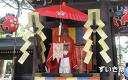

no garlic and rice wine
beyond this point ...
cherry blossom time


Gabi Greve, Spring 2009


:::::::::::::::::::::::::::::::::::::::::::::::::::::::::::::::::::::::::::::::::::::::::::::::::::::

Die Abgrenzung des Heiligen Bereiches

Die Abgrenzung des heiligen Bereiches (kekkai, S: siimaa-bandha) eines esoterischen Altars von der alltäglichen Welt war besonders wichtig, da das Heilswesen während einer Zeremonie in den Flammen visualisiert wird.
Zu den Gegenständen, die der Abgrenzung des Heiligen Bereiches dienten, gehören die vier Grenzpflöcke und die Altar-Schnur.

Vier Grenzpflöcke
(shiketsu, kongooketsu, shihooketsu; S: vajra-kiilaka )
Vier Pflöcke an den Ecken, Vajra-Pfähle, Eckpfosten, Grenzpfähle.
"ketsu" bedeutet eigentlich Pfosten (kui).

Funktion:
Sie stehen an den vier Ecken eines Altars für Zeremonien. Zur Abgrenzung des heiligen Bereiches werden ihre Spitzen mit der Altar-Schnur verbunden.

Bei Feueropfern befindet sich an der Seite, an welcher der leitende Priester sitzt, eine Art kleiner Torbogen, manchmal nur aus zwei Stäben und der darübergelegten Altar-Schnur bestehend. Durch dieses Tor kann der Priester die Gegenstände auf den Herd legen und die heiligen Handlungen auf dem Altar ausführen.

Bei den verschiedenen Sekten des esoterischen Buddhsimus finden sich unterschiedliche Formen für verschiedene Verwendungszwecke.
Der Typ mit einem Wunschjuwel am Ende wird z.B. bei Initiationszeremonien und der Typ ohne Wunschjuwel bei Feueropfern, z.B. vor dem Bau eines Gebäudes als Opfer an den Erdgott (chindan, jishizume kuyoo) verwendet.

Form:
Nach der Form der Spitze unterscheidet man drei Typen:
1. Spitze in der Form wie ein Donnerkeil mit einer Spitze.
2. Spitze in der Form wie eine runde Lotusknospe (mikai rengegata).
3. Spitze in der Form wie ein Wunschjuwel. Der Schaft hat die Form wie ein Donnerkeil. Dieser Typ wird nur für Initiationszeremonien verwendet.

Ein Grenzpflock besteht aus folgenden Teilen: Spitze in einer der oben beschriebenen Formen. Sechs- bis achtkantiger Schaft, unverziert (sobun) oder mit Lotusblüten, Dämonenaugen mit Dekorbändern (himo) an beiden Seiten, Lotus-Halter (renza) oder Chrysanthemen-Halter (kikuza ) und dem Pflock zum Einstecken (hozo) am unteren Ende.

Ein Pflock mit einer Spitze wie ein Donnerkeil und mit unverziertem Schaft wird "Diamantwelt-Grenzpflock" (kongookaiketsu, kongooketsu) genannt. Kuukai brachte Grenzpflöcke in Form eines Donnerkeils mit, daher werden derartige Typen bei der Shingon-Sekte bevorzugt.
Ein Pflock mit Spitze wie eine Lotusknospe und verziertem Schaft mit Lotusblüten wird "Mutterschoßwelt-Grenzpflock" (taizookaiketsu, taizooketsu) genannt.
Länge: 20 - 35 cm.

Material: Je nach Sekte und Zeremonie unterschiedlich. Z.B. bei befriedenden Riten aus Milchholz, bei mehrenden Riten aus Granatapfelbaum-Holz (kichijoomoku), bei bannenden Riten aus Eisen.
Weiterhin werden vergoldete Bronze (sehr häufig) und andere Metalle verwendet.


Feueropfer-Altar (gomadan, goma kadan)

Form: In der Mitte auf dem Altar ist ein Feueropfer-Herd eingelassen und an den vier Ecken stehen die vier Grenzpflöcke, die mit der Altar-Schnur verbunden sind. Die Grenzpflöcke und die Altar-Schnur werden auch "Gegenstände zur Abgrenzung des heiligen Bezirkes" (kekkaigu) genannt.

Die Kultgegenstände des esoterischen Buddhismus
(mikkyoo hoogu 密教法具, mitsugu)
Gabi Greve


Buddhistische Kultgegenstände Japans


:::::::::::::::::::::::::::::::::::::::::::::::::::::::::::::::::::::::::::::::::::::::::::::::::::::

Daruma Pilgrims in Japan

O-Fudo Sama Gallery

:::::::::::::::::::::::::::::::::::::::::::::::::::::::::::::::::::::::::::::::::::::::::::::::::::::
5/15/2009

Muso Kokushi Soseki Zuiki

[ . BACK to DARUMA MUSEUM TOP . ]

:::::::::::::::::::::::::::::::::::::::::::::::::::::::::::::::::::::::::::::::::::::::::::::::::::::

Daruma Pilgrims Gallery

:::::::::::::::::::::::::::::::::::::::::::::::::::::::::::::::::::::::::::::::::::::::::::::::::::::

Muso Kokushi Soseki 夢窓 疎石(むそう そせき)

夢窓国師 Musoo Kokushi, Muso Kokushi
建治元年(1275) - 観応2年9月30日(1351, October 20))


妙智院. 重要文化財 夢窓疎石像 無等周位筆


Memorial Day for Muso : KIGO
Musoo-Ki 夢窓忌 (むそうき)
Soseki Ki 疎石忌(そせきき)
kigo for autumn

:::::::::::::::::::::::::::::::::::::::::::::::::::::::::::::::::::::::::::::::::::::::::::::::::::::

Musō Soseki (夢窓疎石) (1275 - October 20, 1351)
was a Rinzai Zen Buddhist monk and teacher, and a calligraphist, poet and garden designer. He is also known as Musō Kokushi (国師) ("national Zen teacher"), a posthumous name given him by Emperor Go-Daigo. His mother was the daughter of Hōjō Masamura.

Originally from Ise Province, now part of modern-day Mie Prefecture, Soseki was a ninth-generation descendant of Emperor Uda.

In 1325 Emperor Go-Daigo requested that he come to Kyoto to become head priest of the great temple of Nanzenji. The following year he founded Zen'o-ji in his native Ise.

Zen gardens have proven to be one of his most lasting contributions to his country's culture. To Musō designing new gardens and altering existing ones was an integral part of the practice of Zen.

Gardens by Musō Soseki

CLICK for more of his garden photos
The following is a list of gardens known to be by Musō Soseki or attibuted to him.

Eiho-ji in Tajimi, Gifu prefecture
Erin-ji, in Yamanashi prefecture
Myōshin-ji in Kyoto
Rinsen-ji in Kyoto
Tenryū-ji in Kyoto
Tōnanzen-in in Kyoto
Enkaku-ji in Kamakura
Jōchi-ji in Kamakura
Zuisen-ji in Kamakura

© More in the WIKIPEDIA !

:::::::::::::::::::::::::::::::::::::::::::::::::::::::::::::::::::::::::::::::::::::::::::::::::::::


ZUIKI 随喜 to weep with joy

CLICK for original LINK
芋の葉に置く白露の
たまらぬは これやずいきの涙なるらん

imo no ha ni oku shiratsuyu no
tamaranu wa kore ya zuiki no namida naruran

This is a famous waka poem by Muso Kokushi, which gave the plant its name ZUIKI.

on the leaf of a taro
a white dewdrop lingers
and then falls off -
yes indeed this is
a tear of joy (of the Buddha)

zuiki, in a Buddhist context, means to feel joy at the joy of others and thus fill your own heart with their joy. In extension, it meand "tears of joy".
After many read this poem, they used this word ZUIKI to refer to the plant itself and its stem when they cook it.


zuiki 芋茎(ずいき)stem of the taro
Sato-Imo 里芋 taro

Originally it meant the leafstalk, petiole of the plant and used to be called imoshi いもし in the Heian period.

WASHOKU :
YASAI . Vegetable SAIJIKI


zuiki : Freudentränen vergießen


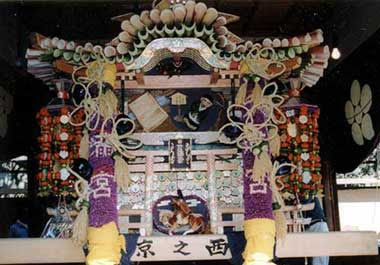
Zuiki matsuri ずいきまつり【芋茎祭/瑞饋祭】
Vegetable Decoration Festival

ずいき祭 , a kind of harvest thanksgiving festival
For four days from October 1 to 4 at the shrine Kitano Tenmangu in Kyoto.

CLICK for more matsuri photos The festival is in memory of Sugawara Michizane菅原道真, the great the patron saint of scholarship, who is enshrined at Kitano Tenman-gu 北野天満宮. Michizane was a great scholar and statesman during the 9th century. He had carved a wooden image that is enshrined here. The festival originated when the people who lived around Kitano Tenman-gu had a very good harvest one year.
Participants carry around portable shrines (mikoshi) on which the gods and spirits ride through the area. The roofs of the mikoshi are covered with the large leaves of taro and all are decorated with vegetables, called zuiki mikoshi ずいきみこし.
The festival started in the reign of Emperor Murakami (村上天皇 946-967), when the people supporting the shrine (神人(じんにん jinnin・じにん jinin) made offerings of their harvest. Later in 1527 they started to make figures out of vegetables and add them to a mikoshi. In the peaceful Edo period around 1607 they made even bigger portable shrines which looked like the round onion heads 葱華輦(そうかれん sookaren, soo 葱 is a long green onion with a round head), the roofs thatched with large taro leaves.
Since 1702 the mikoshi took the form of hooren 鳳輦(ほうれん) with a large phoenix (hoo) on the top. Since 1802 they took the form of chigi 千木(ちぎ) "like a palace with many roofs".
Since most of the material are fresh vegetables, the mikoshi are newly decorated every year.

CLICK for original LINK ... chuusan 55

Most used vegetables are
taro stalks and leaves, ears of rice, eggplants, chille peppers, yuzu citrons, sesame in white and black, bamboo, chestnuts, persimmons, myooga ginger, hair from corn, yuba tofu, fu gluten, nori, aonori and konbu seaweed and red and withe paper stripes.


:::::::::::::::::::::::::::::::::::::::::::::::::::::::::::::::::::::::::::::::::::::::::::::::::::::

Gardens by Kobori Enshu
Kobori Enshu 小堀遠州 (1579 - 1647)

Zen Garden Master Shunmyo Masuno 禅庭氏 増野さん


:::::::::::::::::::::::::::::::::::::::::::::::::::::::::::::::::::::::::::::::::::::::::::::::::::::


夢窓忌や谷の緑の錆びはじむ
Musoo-ki ya tani no midori no sabi-nijimu

Muso Memorial Day -
the green of the valley
begins to get rusty


Juuyoo 重陽
http://tourikadan.sakura.ne.jp/cgi-bin/html/hikou47.html


:::::::::::::::::::::::::::::::::::::::::::::::::::::::::::::::::::::::::::::::::::::::::::::::::::::
Daruma Pilgrims in Japan

O-Fudo Sama Gallery

:::::::::::::::::::::::::::::::::::::::::::::::::::::::::::::::::::::::::::::::::::::::::::::::::::::

[ . BACK to WORLDKIGO  TOP . ]
::::::::::::::::::::::::::::::::::::::::::::::::::::::::::::::::::::::::::::::::::::::::::::::::::::: 

5/08/2009

Kubikiri Jizo

[ . BACK to DARUMA MUSEUM TOP . ]
:::::::::::::::::::::::::::::::::::::::::::::::::::::::::::::::::::::::::::::::::::::::::::::::::::::

Fudo Myo-O Gallery

:::::::::::::::::::::::::::::::::::::::::::::::::::::::::::::::::::::::::::::::::::::::::::::::::::::

Jizo with his head cut off - 首切り地蔵
kubikiri Jizo, kubikiri Jizoo

Chop-Neck Jizo / Neck chop Jizo
Jizo statue with its neck severed

There are various legends about Jizo statues with a head cut off.

:::::::::::::::::::::::::::::::::::::::::::::::::::::::::::::::::::::::::::::::::::::::::::::::::::::


Jizo statues in the are of the ninja in Iga 伊賀忍者.
The Iga and Koga fighters were the only ones to resist the onslaught of Oda Nobunaga to unify the area. They had promised to help each other to defent themselves. Nobunaga first defeated the Koga and then marched on into Igaland.
The Iga seemed to be driven back and then he came back with a large army of 45000 soldiers and defeated them.
The area with stone statued, which were also beheaded by the soldiers to show their might, are still to be seen today.

CLICK For original Link, NHK HISTORIA
source: NHK Historia


:::::::::::::::::::::::::::::::::::::::::::::::::::::::::::::::::::::::::::::::::::::::::::::::::::::


Kubikiri Jizo Son 首切地蔵尊
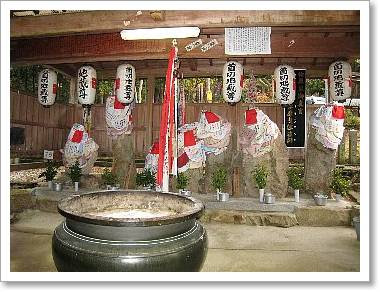
The fugitives of Heike (the Taira clan), who were defeated in the battle of the Uji River and driven into the mountains, died a violent death in present-day Tanba City in 1184. Feeling sorry for them, the villagers erected several stones and placed flowers in front of them to pray for the repose of their souls.
By and by the stones became famous as Jizo statues, which have the power to fulfill people’s wishes. 3 statues of Jizo with no heads stand side by side on the stone steps and 7 in the small hall.
Those statues are known for fulfilling the wishes concerning the head such as academic accomplishment, prevention of becoming forgetful with age, and recovery from illness. A lot of students taking an entrance examination to a university come to pray for these Jizo statues during the season of the entrance exams.
On the days of Jizo Festivals held in March and September every year, a lot of visitors come to the mountain, which is also known as a nice place for hiking.
source : nippon-kichi.jp
丹波市山南町


CLICK for more photos

More PHOTOS
首切り地蔵


:::::::::::::::::::::::::::::::::::::::::::::::::::::::::::::::::::::::::::::::::::::::::::::::::::::

On a path in Nara Park in the Kasuga woods
is this Jizo with his neck sliced by famous samurai, Araki Mataemon, while testing his blade for sharpness...


- shared by John Dougill - facebook -


:::::::::::::::::::::::::::::::::::::::::::::::::::::::::::::::::::::::::::::::::::::::::::::::::::::


Mizuyoshi Town 水吉

Three stone heads of Buddha stautes
石造仏頭(せきぞうぶっとう) sekizoo buttoo


CLICK for original LINK : portal.jmix.jp/furusato/bunkazai.php?chk3=on

head of Amida, 73 cm
head of Kannon, 71 cm
head of Jizo, 55 cm

in 三和区水吉

The Jizo had been in Mizuyoshi Jizo Yashiki 水吉地蔵屋敷.
Kannon and Amida come from 水吉字堂. They are generally known as the

Jizo with the cut head.
The bodies have been made of a natural stone in nature and the head of each deity had been put on top of that. The heads are rather large.
Niigata Prefecture
新潟県上越市三和区水吉


:::::::::::::::::::::::::::::::::::::::::::::::::::::::::::::::::::::::::::::::::::::::::::::::::::::

There is even a detective story from Nara with this title!

大和路首切り地蔵殺人事件
和久峻三


reference

The statue is on the Kasuga trail in Nara.

:::::::::::::::::::::::::::::::::::::::::::::::::::::::::::::::::::::::::::::::::::::::::::::::::::::

Fukushima 福島県 - 泉崎村 Izumizaki village
This kubikiri Jizo is also called 武光地蔵 Takemitsu Jizo.
- here is the story:
In 仙台伊達藩 the Date Domain (Sendai)lived a samurai named 赤胴三五平 Akado Sangobe .
He had to go to Edo by an order from his lord.
When he passed here, he saw a beautiful woman on the road in the evening.
He thought this woman must be a monster and tried to kill her with his sword named
Takemitsu 武光 (竹光) "bamboo sword".
On his way back from Edo he passed the same spot and saw a stone statue of Jizo with its head fallen off . . .


:::::::::::::::::::::::::::::::::::::::::::::::::::::::::::::::::::::::::::::::::::::::::::::::::::::


At the temple Enmei-Ji in Tokyo
延命寺

小塚原刑場跡

kubikiri Jizoo 首切り地蔵 Jiso Bosatsu to help the beheaded

CLICK for more photos

This statue is 3.6 meters high and was erected in 1714.
It has been put up for those who could not get the final Buddhist rites in the time of dying. They were executed. See also below, kubizuka.
At the Kotsukappara 小塚原刑場 execution grounds in Minami Senju, Edo.


. Criminal Punishment in Edo .


:::::::::::::::::::::::::::::::::::::::::::::::::::::::::::::::::::::::::::::::::::::::::::::::::::::

Kubizuka, memorial stone pagodas and mounds
for the beheaded ... 首塚


MORE
Jizoo Bosatsu (Kshitigarbha) 地蔵菩薩


Daruma Pilgrims in Japan

O-Fudo Sama Gallery

:::::::::::::::::::::::::::::::::::::::::::::::::::::::::::::::::::::::::::::::::::::::::::::::::::::::::::::::::::::::::::

[ . BACK to DARUMA MUSEUM TOP . ]
[ . BACK to WORLDKIGO . TOP . ]

:::::::::::::::::::::::::::::::::::::::::::::::::::::::::::::::::::::::::::::::::::::::::::::::::::::::::::::::::::::::::::