8/27/2009

Sutras o-kyoo

[ . BACK to DARUMA MUSEUM TOP . ]

:::::::::::::::::::::::::::::::::::::::::::::::::::::::::::::::::::::::::::::::::::::::::::::::::::::

Daruma Pilgrims Gallery

:::::::::::::::::::::::::::::::::::::::::::::::::::::::::::::::::::::::::::::::::::::::::::::::::::::

Sutras お経 o-kyoo 
Buddhist scriptures
Sūtra; buddhistische Schrift


kigo for the New Year

初勤行: Hatsu-gongyoo, First Reading of the Sutras

First Copying of the Sutras (hatsu shakyoo 初写経)
shakyoo 写経 copying the sutras : photos

Copying the sutras is a common religious pastime, done at home or in the many temples who offer this service weekly or monthly in meetings.

The Heart Sutra is copied most often.

.................................................................................


kigo for all summer

shakyoo-e 写経会 meeting to copy sutras
gekyoo 夏経(げきょう) copying the sutras in summer
gegaki 夏書 (げがき) "writing (sutras) in summer"

. . . CLICK here for Photos !


猫の子が玉にとる也夏書石
neko no ko ga tama ni toru nari natsusho ishi (gegaki ishi)

the kitten grasps
its ball...
summer calligraphy stone


Kobayashi Issa
(Tr. David Lanoue)


the kitten thinks
it's his precious toy...
ink stone for summer writing


月と日は男の手なる夏書かな
tsuki to hi wa otoko no te naru gegaki kana

moon and sun
become the hands of man -
copying sutras in summer


. Tan Taigi 炭太祇 .

Issa has written many haiku about this ascetic practise.

上むき[の]夏書と見ゆる簾かな
夏籠もものしりがまし恥かしき
夏籠や隙にこまりし窓簾
ものしりの真似して籠る夏心
ゆきゝの人を深山木夏書哉
菊畠の木札もちよいと夏書哉
夏籠りと人には見せて寝坊哉
墨のする<の>童も連て夏断哉
雪隠の歌も夏書の一つ哉
夏書でもせよと給はる一葉哉
夏籠や毎晩見廻ふ引がへる
赤有嘉〓の札を夏書哉
夏籠の簾の外[の]市喧嘩
夏籠や米をねだりに来る雀
中 ~ に籠れば涼し夏百日
朝顔にはげまされたる夏書哉
てゝつぽう声が高いぞ夏の始
夏籠のけしきに植し小松哉
月がさす松も持けり夏念仏


GE stands for the summer retreat (natsu ango 夏安居), from April 16 lasting for 90 days.
Many temples offer facilities to copy the sutras as ritual to honor the dead in the family.


.................................................................................


The summer retreat ends in
early autumn
with the following kigo


gege 解夏 end of the summer ascetics for priests
..... ge aki 夏明き(げあき), ge no hate 夏の果(げのはて)
..... sooan, soo-an 送行(そうあん)
..... gegaki osame 夏書納(げがきおさめ)
..... butsukangibi, butsu kangi bi 仏歓喜日(ぶつかんぎび)
..... kangibi 歓喜日 "a day to rejoice"

Usually on the 15th day of the seventh lunar month.


. ango 安吾 (あんご) intensive retreat .


Fudangyoo 不断経 Ceremony of reading sutras day and night
At Mount Koya and other temples.
As a ritual for the souls of the people passed away in the past year.
One of the O-Bon rituals.

. Autumn Festivals - SAIJIKI .


[ . BACK to WORLDKIGO  TOP . ]
::::::::::::::::::::::::::::::::::::::::::::::::::::::::::::::::::::::::::::::::::::::::::::::::::::: 


Hanya Shingyo 般若心経 Heart Sutra - heart sutra
with many Japanese haiku about
reading the sutras 読経


Dragon King Sutra
Averting All Hindrances Mantra
Ocean Dragon King Sutra: Ratnavati


CLICK for more photos
Lotus Sutra 法華経 Hokkekyoo, Hokekyoo
Saddharma-pundariika-suutra


Sutra-Drum
(kyoogiri daiko 経切太鼓、kyoodaiko 経太鼓)

This drum is used when reciting the suras to keep the rythm.


:::::::::::::::::::::::::::::::::::::::::::::::::::::::::::::::::::::::::::::::::::::::::::::::::::::


行く春や経収めにと厳島
yuku haru ya kyoo osame ni to Itsukushima

spring is passing -
I bring copied sutras
to Itsukushima

Natsume Soseki 夏目漱石


Heike Nokyo 平家納経
The famous sutras copied by the Heike


. WKD : Itsukushima Shrine 厳島神社   
Miyajima, Hiroshima


:::::::::::::::::::::::::::::::::::::::::::::::::::::::::::::::::::::::::::::::::::::::::::::::::::::


仏典は暗きに置けり日雷
butten wa anki ni okeri higaminari

the Buddhist scriptures
should be known by heart ...
thunder at daytime


Kamio Kumiko 神尾久美子, 桐の木


月へ経典英典ひろげる 父の背
tsuki e kyoten eiten hirogeru chichi no se

he opens the Buddhist scriptures
in English toward the moon -
(I see) the back of my father


Matsumoto Kyoko 松本恭子 檸檬の街で


:::::::::::::::::::::::::::::::::::::::::::::::::::::::::::::::::::::::::::::::::::::::::::::::::::::

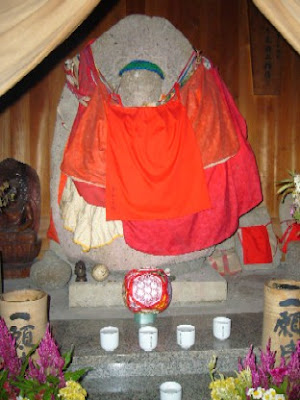
時雨るるや象の字多き普賢経
shigururu ya zoo no ji ooki Fugen kyoo

cold sleet falling . . .
the word "elephant" is so often
in the Fugen Sutra


Arima Akito 有馬朗人


Fugen Bosatsu and the Fugen Sutra 普賢観経


:::::::::::::::::::::::::::::::::::::::::::::::::::::::::::::::::::::::::::::::::::::::::::::::::::::




法談の手つきもかすむ御堂かな
hoodan no tetsuki mo kasumu midoo kana

the preacher's
hand gestures too...
lost in temple mist


Kobayashi Issa
Tr. David Lanoue


.............................................................................


Comment by Chris Drake

misty temple --
even the preacher's
hands are unclear


It is the 2nd month (March), and spring mist drifts through the Reformed Pure Land temple. Inside Issa listens to a sermon by the head priest, but his conclusion seems to be that the priest is avoiding difficult points and specific criticisms and giving a vague, feel-good dharma-talk he thinks the parishioners will like. His sermon is so indirect and vague that even his hand gestures are as unclear as the mist outside. (Issa isn't talking about koans, which aren't used in Reformed Pure Land Buddhism.) In Japanese one meaning of "to mist" is "to be vague, unclear," and Issa's hokku makes the comparison very unobtrusively.

The next hokku in Issa's diary seems to continue to evoke this humorous experience:

outside the gate
they know who and mist
the field with so-and-sos


誰それとしれてかすむや門の原
taresore to shirete kasumu ya kado no hara

People, presumably parishioners, begin to gossip as soon as they reach the misty field outside the temple gate -- or perhaps one group of friends lingers and talks in the road outside someone's gate. Everyone in the small town knows each other, so they contribute to the mist by misting their speech with vague phrases that avoid direct reference. Issa seems amused at the similarity between the priest's way of speaking and gesturing and the way his parishioners communicate.

- - - - -

hoodan no temane mo miete natsu-kodachi

the priest talks
with his hands, too --
summer grove


This hokku was first published posthumously in 1829. It is a revision of an earlier hokku that appears in Issa's diary in the 10th month (November) of 1820, when Issa was living in his hometown. This original hokku is about an outdoor summer talk, so it must be based on a memory of summer:


yodangi no shikata mo miete natsukodachi

night storytelling
by the priest's hands, too --
summer grove


The time of day in the later version, translated first above, isn't mentioned, but it's probably also night, when the summer heat is bearable. The talk is held outdoors by a traveling performer of stories about Buddhism called a dangi-sou or Buddhist raconteur. These performers were Buddhists and literally called "priests" (sou), but calling them priests is actually a stretch, since their lively talks (Adam Kern calls them "mock-sermons") used Buddhist topics as the starting points for long digressions on mores and contemporary affairs, told in a humorous style full of jokes and satire in which the storyteller imitated the voices of various different characters. In cities in Issa's time they usually performed on street corners or in small theaters, and in the country they performed where they could. A famous senryu about one goes:

dangi-soo suwaru to kao o too-shikame

when he sits down
the storyteller priest
frowns ten times


Most of these Buddhist performers belonged to Pure Land sects, and the "priests" recited Amida Buddha's name ten times before they began their stories. The senryu suggests that the only time the storyteller has a serious face during his whole long performance is just before the performance begins.

Issa liked to go see Kabuki performances when he could, and he also enjoyed humor and storytelling. The outdoor setting implies that the stories are informal, lively, and more story than sermon. The word houdan, 'a talk on a Buddhist theme,' has a wide range of meanings. I take it to be another word for dangi, as in the original version of the hokku. If the talk takes place at night, as is probable in summer, the flickering light from torches or lanterns hanging from nearby tree limbs also helps make the performance dramatic.

The storyteller's delivery is vivid and no doubt filled with evocations of the appearance and voices of various people or types of people in the contemporary world, but Issa is also impressed by the man's hands, visible in the lamplight, which clearly evoke the scenes he narrates to his listeners. Te-mane literally means gestures that mime actions and events in the world, and the storyteller's pantomime greatly aids the realistic descriptions in his verbal performance.

Chris Drake


:::::::::::::::::::::::::::::::::::::::::::::::::::::::::::::::::::::::::::::::::::::::::::::::::::::


Further reading in the Daruma Museum

Koan and Haiku 公案と俳句

MU, Nothingness, the Void.....無


. Die Aufbewahrung der Heiligen Buddhistischen Schriften  


::::::::::::::::::::::::::::::::::::::::::::::::::::::::::::::::::::::::::::::::::::::::::::::::::::: 

[ . BACK to DARUMA MUSEUM TOP . ]
[ . BACK to WORLDKIGO . TOP . ]

:::::::::::::::::::::::::::::::::::::::::::::::::::::::::::::::::::::::::::::::::::::::::::::::::::::

8/23/2009

Jizo Bosatsu and Haiku

[ . BACK to DARUMA MUSEUM TOP . ]

:::::::::::::::::::::::::::::::::::::::::::::::::::::::::::::::::::::::::::::::::::::::::::::::::::::

Fudo Myo-O Gallery

:::::::::::::::::::::::::::::::::::::::::::::::::::::::::::::::::::::::::::::::::::::::::::::::::::::

Jizo Bosatsu and Japanese Haiku

Main Entry
... ... ... Jizo Bosatsu 地蔵菩薩


:::::::::::::::::::::::::::::::::::::::::::::::::::::::::::::::::::::::::::::::::::::::::::::::::::::


CLICK for original LINK ..

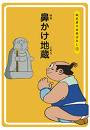
鼻欠けし地蔵の御手や枯れし菊 寺田寅彦
hana kakeshi Jizoo no o-te ya kareshi kiku

Jizo without a nose
but here are his arms ...
withered chrysanthemums

hanakake Jizoo 鼻欠け地蔵 / 鼻欠地蔵 Jizo without a nose, noseless Jizo


鼻かけ地蔵 Noseless Jizo at Sasagaura

source : www.kawaguchiya.jp

At Sasaura wan Inlay 楽々浦湾(ささうらわん)there is a small sanctuary with this Noseless Jizo, the statue is sayd to have been found by fishermen in the sea. As a thank you for saving him, this Jizo produced rice grains out of his nose. So one greedy man in the neighbourhood cut off the nose to have all the rice for himself. But the nose stopped pooring out grains and the Jizo stood there now without a nose.
On the festival in July they pound mochi ricecakes.
CLICK for more photos


The Sasaura Wan inlay is also famous for this haiku

雪の日や神の琵琶をも聞ばかり
yuki no hi ya kami no biwa o mo kiku bakari

城崎十景


Sasaura, Hyogo Prefecture
豊岡市城崎町大師山、楽々浦
. . . CLICK here for Photos !


There are other Jizo statues without a nose in other parts of Japan!


CLICK for original LINK  ...toriya
This is a statue from Ryookawa 良川.
A man walked in the forest alone at night in the area of Tango (Tottori) and saw a fox pulling the statue of Jizo behind him. When he checked the area later, the statue of Jizo had lost its nose indeed.


CLICK For original LINK ... noriquo
Two stone statues in a deep forest of the Kumano Mountains.
On the route from Yunomine Hotsprings
湯の峰温泉から大日山, 鼻欠け地蔵


a stone Jizo in the cliffs without nose and a few more
There is one near Kumamoto University, which Lafacdio Hearn visited frequently, near 立田山 near the cemetery 小峰墓地.
. . . CLICK here for Photos !

:::::::::::::::::::::::::::::::::::::::::::::::::::::::::::::::::::::::::::::::::::::::::::::::::::::


source : HAIKUreikuDB

あたらしき下駄のうれしき地蔵盆 岸風三樓
あつしともの給はぬなり石地蔵 暑 正岡子規
あまりたる幕を籬に地蔵盆 宮城きよなみ
あやす嬰は地蔵の重さ秋の暮 高澤良一 素抱

いが栗を地蔵の膝でわりしよな 青嵐
いたこの名みな仮名の二字地蔵盆 大坪景章
いなずまや地蔵の傍の硬い魚 赤尾兜子
うつつや冥き無言の雑踏地蔵盆 成田千空 地霊

おいらん草みえぬ顔して地蔵群 和知喜八 同齢
おほかたは蜑の子ばかり地蔵盆 長沼紫紅
おわら流し地蔵の辻を踊場に 茂里正治
おわら流し音締を合はす地蔵堂 毛塚静枝

お供物に隠れて盆の地蔵尊 村手圭子
お供物に電気の球も地蔵盆 茨木和生 往馬
お地蔵のもすそに鳴くや磯鵆 鬼貫
お地蔵を洗ふ村の子草の花 山田弘子 初期作品
お地蔵様にたのむことない石ころになるか 平岡国次郎
お月さまが地蔵さまにお寒くなりました 山頭火

かくれ津の地蔵とあれば月の鳰 吉野義子
かげろふや禁酒地蔵の笠は猪口 鷹羽狩行
かざりたてお地蔵見えずなりにけり 西山泊雲 泊雲句集
こがらしや油からびし石地蔵 亀卿
ここに又湖の入江の地蔵盆 大峯あきら 宇宙塵

さまよへる小さき螢や地蔵盆 五十崎古郷句集
しぐれ来よ地蔵尊忌の時雨れけり 斎藤一骨
しもつけや鼻欠け地蔵笑み給ふ 本田一朋
ずず玉の天つ日返す地蔵盆 高澤良一 ぱらりとせ

たうきびのひげのあかしや地蔵盆 角川春樹
だだちや豆大皿に盛り地蔵盆 本間まり
てつぺんに瘤ある地蔵岳粧ふ 山田春生
とかげ這ひ縁切地蔵燭一つ 有馬籌子
とろけ地蔵りつしんべんのやうに冬 須川洋子
どの露地も海見えてゐて地蔵盆 長沼紫紅
どぶにほふ苦情申さず地蔵盆 阿波野青畝

なむあみだ躰にたむる地蔵盆 高澤良一 ぱらりとせ
にぎやかに児の泣く声も地蔵盆 河野静雲
ぬれて来て地蔵にとまる蛍哉 蛍 正岡子規

ふさとめす地蔵の綿も夜寒かな 黒柳召波 春泥句集
ふるさとに土の道あり地蔵盆 大捕八重子
ふるさとの地蔵盆会に会ふならひ 安藤 徳太郎
ぼた餅や地蔵のひざも春の風 一茶 ■文化十一年甲戊(五十二歳)

もう秋風のお地蔵さまの首だけあたらしい 山頭火
もじずりの咲きて目洗地蔵道 西居 浩

やぶ入を守る子安の地蔵尊 蕪村遺稿 春
ゆきずりの燭を感ずる地蔵盆 飯田蛇笏 霊芝
ゆふべゆふべ地蔵にすだく藪蚊かな 言水「前後園」

わが松は縛地蔵に燃ゆる頃 阿部みどり女 月下美人
わが燭の遅れ加はる地蔵盆 橋本多佳子
わらべ唄地蔵にひびき明けの春 堤 久子

マリア地蔵首欠け子欠け昼の虫 中村明子

一夜は師と一夜は地蔵盆の客 八牧美喜子
一烏翔つて地蔵のゆらぐ冬がすみ 河野多希女
一群は地蔵流しか秋の川 寺田寅彦
三人子はときのま黙し山畑に地蔵となりて並びゐるかも 前登志夫

下闇やびつくりしたる石地蔵 木下闇 正岡子規
両の手の吾が子よその子地蔵盆 宮城きよなみ
丹波ほほづきどの子が上げし地蔵盆 長谷川かな女 花寂び
五月雨や漁家の軒端の地蔵尊 楠目橙黄子 橙圃
人住まぬ浦のにぎはふ地蔵盆 田中喜久代
今出でし蜥蜴濡身に地蔵の辺 杉本寛
仰向に地蔵こけたり春の風 春風 正岡子規
伝説の地蔵は花の奥深く 西岡長康
傾いて地蔵艶なる冬日かな 橋石 和栲
兄ありて妹賢し地蔵盆 林昌華

児が叩く気侭な鉦や地蔵盆 小山徑石
児等去つて黍に澄む灯や地蔵盆 西山泊雲 泊雲句集

六波羅はいま陋巷の地蔵盆 西尾砂穂
六道のどれが句のみち地蔵盆 林昌華

冬ざれや最果ての地の地蔵堂 鈴木紫苑
冬日向まぶたの重き地蔵尊 上田俊二
冬構肌も衣も石の地蔵 香西照雄 素心
冬瓜にことに燭のいろ地蔵盆 森 澄雄

出来過ぎ田青々と伏し地蔵盆 西村公鳳
切株に燭をきらさず地蔵盆 宮坂静生 山開
初地蔵初めて買ひし白髪染 中島美也
化粧地蔵納め子の夏果てにけり 樋笠文
北山へ遁げゆく雨や地蔵盆 成瀬櫻桃子

千体の地蔵彩どるかざぐるま 萩 尚子
千地蔵くりくりとこの暑い日に 和知喜八 同齢

口渇き藻とゆれる髪地蔵盆 成田千空 地霊
名月に辻の地蔵のともしかな 黒柳召波 春泥句集
啓蟄や地蔵へ届く風便り 仁志一子
四ッ当る油地蔵や句碑小春 磯野充伯

地獄絵に諭さるる子や地蔵盆 芦澤元子
地蔵いて峡の一戸へ雪の橋 和知喜八 同齢
地蔵そば地蔵煎餅松過ぎぬ 草深昌子
地蔵と電柱月の出しなの刻わかつ 磯貝碧蹄館 握手
地蔵めぐり壬生に日暮るる門茶かな 村山葵郷
地蔵より受けたる慈悲や地蔵盆 吉田汀史
地蔵より幼く駈けて昼の月 林田紀音夫

地蔵会に人出盛りて淋しさよ 原月舟
地蔵会に座敷帰りの老妓かな 合田丁字路
地蔵会に行き遇ふ水の匂ふ町 神戸周子

地蔵会のおさがりの白甜瓜 大石悦子 百花
地蔵会のお糸地蔵にお針子ら 豊里とも吉
地蔵会のこどもの色の紅冬瓜 森澄雄
地蔵会のすぎし風の木風の川 斎藤梅子
地蔵会のちようちん心にも灯る 岩見 敏
地蔵会の一と雨過ぎぬ宵のうち 橋本春燈花
地蔵会の一賑も宵のうち 武田夢仙
地蔵会の井水きらきら汲まれけり 鈴木しげを
地蔵会の十戸の講の一戸減る 近藤一鴻
地蔵会の提灯もまた揺るるもの 後藤夜半 底紅
地蔵会の日暮に赤き唐辛子 角川春樹
地蔵会の灯をひとつづつふやしけり 片山由美子 風待月
地蔵会の犬舌鳴らす潦 岸田稚魚 筍流し
地蔵会の町うきくさの匂ひけり 榎本冬一郎 眼光
地蔵会の笊にあふるる竹とんぼ 石鍋みさ代
地蔵会の脚濡れてゐる竹牀几 岡本高明
地蔵会の蝋涙おちて水に浮く 横山白虹
地蔵会の裏は葭原葭すずめ 辻田克巳
地蔵会の鉦の間遠き夜機織る 太田穂酔
地蔵会の鉦鳴る方へ歩きけり 比叡 野村泊月
地蔵会の霧降りてくる胸の前 志摩知子
地蔵会の饅頭届く駐在所 久保方子

地蔵会やちか道を行く祭客 蕪村
地蔵会や十団子吊りたる深庇 増田昭子
地蔵会や堂後にすだくきり~す 西山泊雲 泊雲句集
地蔵会や大寺ぬちの地蔵堂 尾崎迷堂 孤輪
地蔵会や樹と樹つなぎて映写幕 大島民郎
地蔵会や漏斗を据ゑて賽銭箱 西山泊雲 泊雲句集
地蔵会や祠とりまき土産店 西山泊雲 泊雲句集
地蔵会や線香燃ゆる草の中 高浜虚子
地蔵会や縄垣したる黍の径 西山泊雲 泊雲句集
地蔵会や芒の中に灯のともる 雑草 長谷川零餘子
地蔵会や近道を行く祭り客 蕪 村
地蔵会や鉦の合間に灯のふえて 高木瓔子
地蔵会や高くひびくは母の鉦 中村若沙
地蔵会や鶏頭四五本残し掃く 西山泊雲 泊雲句集
地蔵会をのぞきながらや通りけり 千原草之

地蔵列んでみどりの横顔秋旱 竹中宏 饕餮
地蔵坂朝は素面の酔芙蓉 旭蝸牛

地蔵堂に子守来る日の落葉哉 寺田寅彦
地蔵堂一体づつに鏡餅 高橋 進

地蔵峠タンポポと地蔵の群生 村田信子
地蔵會や木の根二間を掃さうじ 松瀬青々

地蔵湯の秋の灯洩るゝ女下駄 高澤良一 随笑
地蔵湯の道順聞いて夜長人 高澤良一 随笑

地蔵盆こんなに子供ゐたかしら 石原清美
地蔵盆すぎし亀の子束子かな 渡辺 昭
地蔵盆たらちね肌の餅供へ 赤松子
地蔵盆ちちはは山になりたまふ 熊谷愛子
地蔵盆つかめば財布しんなりと 辻桃子
地蔵盆つむり大小寄せ合へり 永方裕子
地蔵盆つんつるてんの男の子 館 さくら
地蔵盆とみに露けくなりにけり 河原白朝
地蔵盆よりあたらしき子らの箸 能村登四郎
地蔵盆二人ひとりに日の暮れし 猪俣千代子 秘 色

地蔵盆佐渡の夕焼さめてより 大峯あきら
地蔵盆子の寝しあとをなほ灯す 大石悦子 聞香
地蔵盆子らの言葉を灯と吊りて 大石悦子 群萌
地蔵盆子供の声の夜更けまで 桶口 満
地蔵盆子供の陣地暮れ残り 西村和子 かりそめならず
地蔵盆実の付いてゐる樒束 高澤良一 ぱらりとせ
地蔵盆山より闇の下りてきし 成瀬櫻桃子
地蔵盆嵐のあとの草の香に 大野林火
地蔵盆巫女が見せし死後の顔 河野南畦 湖の森
地蔵盆提燈が染める男の足 桜井博道 海上
地蔵盆旅の姉妹の灯のうちに 平井孝子
地蔵盆木の根に赤子置かれある 黛 執
地蔵盆森暮れて灯の濃くなれり 川村紫陽
地蔵盆海鳴路地の空にせり 茨木和生
地蔵盆用意の男くぎかなづち 川崎展宏
地蔵盆白粉花を蒐む子に 高澤良一 寒暑
地蔵盆草を跨ぎて嫗来る 南うみを
地蔵盆菩薩を潮で洗ひあげ 川井玉枝
地蔵盆負ふ児曳く児に螢籠 飯田蛇笏 椿花集
地蔵盆路地なくなりしビルの街 稲垣芳子
地蔵盆過ぎたる機の音なりけり 安住敦
地蔵盆酒くらい尼に好かれもし 古沢太穂
地蔵盆鉦を叩けば日暮れきて 関戸靖子
地蔵盆闇にとび出す輪投げの輪 杉山ふさ
地蔵盆青き棗に湖ながれ 岡井省二

地蔵絵の肩の流れに梅雨おぼゆ 阿部みどり女

坂あれば坂に灯がつき地蔵盆 岬雪夫
城跡に地蔵堂のみ雪のこゑ マブソン青眼
塩掛地蔵塩に盲ひて春逝かす 安住 敦

夏の昼酒呑み地蔵頭に手 和知喜八 同齢
夏木立猿羽根地蔵の後生車 斎藤耕次郎
夏野越ゆ草より低き辻地蔵 鍵和田[ゆう]子 未来図

夕すずみ地蔵こかして迯げにけり 大江丸「俳懺悔」
夕立や市ちらばつて地蔵尊 夕立 正岡子規

大人びし声をかけゆく地蔵盆 脇坂啓子
大木にかくれて雪の地蔵かな 尾崎放哉
大榎昏れてしまひぬ地蔵盆 伊原正江
大樹下の夜店明りや地蔵盆 杉田久女
太秦や祭る地蔵の草の花 田山耕村

姫蔦や地蔵の膝へ這ひ上る 寺田寅彦

子うさぎを暗がりに売る初地蔵 風戸庸子
子が慕ふ下宿学生地蔵盆 大串章 朝の舟
子が打てば子の鉦の音地蔵盆 中村若沙
子とともに織子の一夜地蔵盆 近藤一鴻
子の手ひき地蔵詣も暮れぬうち 八木春
子らが囃す夜空のまろさ地蔵盆 山田みづえ
子をもたぬ四十のをんな地蔵盆 黒田杏子 水の扉
子供らは馳け地蔵盆町々に 加倉井秋を 午後の窓
子地蔵の唇に紅さす枯世界 岸田稚魚 筍流し
子地蔵の赤き口元別れ霜 竹澤茂子
子地蔵へたんぽぽの絮は光る音符 平井さち子 完流
孑孑の地蔵の水の他知らず 山尾玉藻

家ごとに菓子配らるる地蔵盆 高市幸子
寄附とりに来るも子供等地蔵盆 榊水里

寒柝や地蔵の多き湯の町に 鍵和田[ゆう]子 浮標
寒雲や地蔵となりて石怺へ 秋元不死男

寺の裏にて行水す尼地蔵盆 長谷川かな女 花寂び
小地蔵に暮れをいそがぬ春の川 柴田白葉女 花寂び 以後
尼の守る鑑貞地蔵子供盆 西本一都 景色
屋台の灯ばかり明るく地蔵盆 関根章子

山ざくら地蔵の肩の肉厚し 磯貝碧蹄館
山刀伐の地蔵に供ふ粽かな 板垣きぬ子
山道となりて灯が混む地蔵盆 中川須美子
山道に並ぶ地蔵や露涼し 金子幽霧

岩倉の目無し地蔵のしぐれぐせ 大野林火

川がりや地蔵のひざの小脇差 一茶 ■文化十年癸酉(五十一歳)
川上に崖崩れあり地蔵盆 山本洋子
川地蔵供養稲の香むせるなか 高澤良一 ぱらりとせ
川波のあしもと洗ふ地蔵盆 斎藤梅子
川狩や地蔵の膝の小脇差 一 茶
川風や子が子を負ひて地蔵盆 大石悦子 聞香

帯さげし子の可愛さや地蔵盆 上川井梨葉
干飯が匂ふ水掛地蔵かな 橋本鶏二
年寄りの泣き虫地蔵蝉きこゆ 和知喜八 同齢
幻燈はいま西遊記地蔵盆 大堀たかを
庫裡通る児等をとがめじ地蔵盆 西山泊雲 泊雲句集
引き菓子の落雁甘く地蔵盆 大野 すみ
影踏を教へられをり地蔵盆 茨木和生 往馬
徂く春や塩まみれなる塩地蔵 福田蓼汀 秋風挽歌

御地蔵と日向ぼこして鳴ち鳥 一茶 ■文化十年癸酉(五十一歳)
御地蔵の手に居へ給ふ蛙かな 一茶 ■文化十二年乙亥(五十三歳)

忘れ帽子地蔵がかぶり天高し 市野沢弘子
手に受けて駄菓子の湿り地蔵盆 若井菊生
手足あげ地蔵流しの餓鬼溺る 西本一都 景色

抱かれゐる子も手を合はす地蔵盆 増田松枝
抱き上げたくなりさう小春の地蔵さま 茂里正治
抱き地蔵軽き八月十五日 犬塚南川

持ち寄りし団子まちまち地蔵盆 西村和子 かりそめならず
捩り花地蔵無言の石並ぶ(津軽路) 河野南畦 『湖の森』

提灯のこゑ揺れてくる地蔵盆 石原君代
提燈の高さちぐはぐ地蔵盆 鈴木良戈

撫子や高野の道の地蔵堂 河東碧梧桐
数珠の手を合はす地蔵に春の風 清水タミ子
数珠廻す子らも減りたる地蔵盆 竹田幸子

新しき地蔵の前掛けまんじゅさげ 高澤良一 寒暑

春なれや笠縫邑の笠地蔵 角川春樹 夢殿
春寒し地蔵の見えぬ地蔵岳 大木あまり 山の夢
春昼を唯々としばられ地蔵尊 町田しげき
春蚕飼ふ地蔵参りの済みしより 疋田華子
春野より帰れば地蔵せしといふ 春野 正岡子規
春陰や縛り地蔵に泣きぼくろ 佐藤みかこ

昨年は夏 地蔵盆会の膳に見し茄子の木乃伊・胡瓜の木乃伊 梅津英世
昼顔や砂に埋れし石地蔵 寺田寅彦
時代祭行く町角の置地蔵 中井又一郎
月潟や地蔵の前に金魚売り 林 和子

朝寒の地蔵湯に湯を使ふ音 高澤良一 随笑
朝霜や無縁地蔵のよだれがけ 寺田寅彦

木下闇ところところの地蔵哉 木下闇 正岡子規
木下闇人驚かす地蔵かな 木下闇 正岡子規
枝に吊る筵の日除地蔵盆 田中紫水
柳川は水辺々々の地蔵盆 江口竹亭
柳散る土橋のもとの地蔵哉 寺田寅彦

椎茸を供へて与一地蔵尊 川崎展宏
樵夫らの負ふ子牽く子に地蔵盆 飯田蛇笏
樹にも雨水にも雨や地蔵盆 神尾季羊

母の嘘なつかし地蔵盆の闇怖ろし 河原枇杷男 定本烏宙論
水かけてはなやぐ袂初地蔵 岡田信成
水子 水子と 烏が啼いて 地蔵に雨 伊丹公子 ドリアンの棘

油火の焔地を這ふ地蔵盆 猪股洋子
治聾酒といひて地蔵にかけゐたり 滝沢伊代次
洗はれてつむり涼しき石地蔵 樋笠文
洗はれて目鼻失ふ初地蔵 大淵竜策
浜地蔵おはす桑名のしじみ汁 中山純子

浦山の草に灯ともる地蔵盆 下村ひろし 西陲集
海の日焼子山の日焼子地蔵盆 飯田龍太
海女一人時化の地蔵へ灯を上げに 石井とし夫

涎掛け取替え在す地蔵盆 松井蕪平
清水音の時に呪詛めき百地蔵 鍵和田[ゆう]子 浮標

湖の子の肩揚げ深き地蔵盆 能村登四郎 寒九
湖北いま夕風となる地蔵盆 伊藤京子
湖北には地蔵多くて芋茎煮る 梶山千鶴子

湯上りの匂ひのこども地蔵盆 中戸川朝人 残心
湯上りの項匂ふよ地蔵盆 三村 純也
湯掛地蔵に解散松明スキー隊 中戸川朝人 尋声

満月でお地蔵さんと並んでる 谷 佳紀
滴りを受くる地蔵の地蔵盆 茨木和生 往馬
潟日和柞の奥の地蔵堂 新谷ひろし
潮引くと地蔵囁く五月闇 鈴木真砂女

火事あらばいかにする路地地蔵盆 森田峠
火口湖の経舟流す地蔵盆 角川源義
灯して風ある空や地蔵盆 大石悦子 群萌
灯のそとの貌もの言ヘり地蔵盆 西園寺明治
灯の色も人恋ふ色や地蔵盆 藤原文子
灯を低く飛鳥大仏地蔵盆 坂本宮尾
炉話や人にのこれる地蔵顔 加藤耕子

炎天の地蔵の頭撫でて過ぐ 青柳志解樹(1929-)
炎天や口をつぐみし石地蔵 成瀬櫻桃子 風色以前
炎天や水かけ地蔵の鐘が鳴る 串間栄一

焼残る広野の中の地蔵哉 焼野 正岡子規
燈に染まる猫の総身地蔵盆 中山純子 沙羅
燕や合掌を解く地蔵岩 田川飛旅子
牛の虻マリア地蔵にまつはれり 辻桃子

牛馬よく通る地蔵会暮れぬうち 榎本冬一郎
田仕舞の地蔵に供華や年用意 角川源義
田起しの土の香りも地蔵尊 姉崎蕗子

町の音ややほとびたる地蔵盆 小林康治 『華髪』

百地蔵見て頭重りや紅葉冷え 鍵和田[ゆう]子 未来図
百姓顔におはす鑑貞地蔵盆 西本一都 景色

盆果ての色に名残の辻地蔵 佐藤奉子
盆用意地蔵の帽子縫ふことも 本谷久邇彦
盆過ぎのたゞの地蔵や草の花 五十嵐播水 播水句集

真冬日の地蔵薄目をあけたまま 林秀夏

知らぬ子に紅さしてやる地蔵盆 林佑子
知らぬ子は一人も居らず地蔵盆 忽那文泉

石のころもに山茶花ちりぬ地蔵尊 中勘助
石仏堂余りて雪の一地蔵 猿橋統流子
石地蔵の袖の長さよ七五三 中村草田男

磯地蔵恃まれてゐる磯開 古本二三子

秋しぐれ母似地蔵にそっと傘 武 明菜
秋の暮辻の地蔵に油さす 與謝蕪村
秋晴や御肌ぬくき地蔵尊 高橋淡路女 梶の葉

稲埃まとひて独り石地蔵 小池龍渓子
稲架襖めぐりいづれば芋地蔵 銀漢 吉岡禅寺洞

積みあげし竹瓮の中の地蔵盆 米沢吾亦紅
空を見る母は泣虫地蔵です 関田誓炎

竹く方に又地蔵会の絵燈籠 比叡 野村泊月
竹の春地蔵の濡れぬほどの雨 常行佐代子
竹筒に夥しき菊や地蔵堂 寺田寅彦

笹の葉に包むお布施や地蔵盆 谷渡末枝
笹立てて嵯峨の辻々地蔵盆 鈴鹿野風呂
笹立てて提灯吊つて地蔵盆 西村和子 かりそめならず

篠の子やみづ子地蔵の耳乾く 古舘曹人 能登の蛙
紅葉狩地蔵峠の名に惚るる 藤田湘子
結氷のごとく塩被て地蔵凍む 中戸川朝人 尋声
綿入れを被てゐる水子地蔵かな 谷口和子
緑陰の一番古い地蔵尊 光宗柚木子
練供養地蔵菩薩は緋の衣 延江金児
縛られ地蔵百の結び目きりぎりす 水口郁子
縛られ地蔵縛られつづく真炎天 毛塚静枝
繰る数珠の老いには重き地蔵盆 縄本真里

義仲寺の腰抜犬や地蔵盆 八木林之助
義士祭や北向地蔵にも回向 森田 峠
脛白き休日の父地蔵盆 岡本 眸
興ざめの一と雨なりし地蔵盆 波多野爽波 鋪道の花
艀まで灯の届きゐる地蔵盆 中村石秋
色町の名残の小露地地蔵盆 毛塚静枝
艶ばなしさらりとありし地蔵盆 波多野爽波 『骰子』
芋子汁振り向くたびに地蔵岳 草間時彦
芭蕉生家昨夜地蔵会の行燈置く 橋本鶏二

花擬宝珠眼より暮れゆき石地蔵 川本けいし
花桐を拝める石の地蔵尊 長谷川かな女 花寂び
花梓襞に雪おく地蔵岳 山田春生
花苔や微妙に違う地蔵の掌 當山孝道
花街に子供少なき地蔵盆 竹野梢星

苔の花さくや地蔵の首の跡 苔の花 正岡子規
苔地蔵リュック背負へばぬくまるよ 平井さち子 鷹日和
若草に線香たてたる地蔵哉 若草 正岡子規

茄子南瓜煮えてとろとろ地蔵盆 岸本尚毅
茅の鹿地蔵に供へ雨祈る 曽根 満
茅舎忌や瞼にのこる杖地蔵 河野静雲
茶畠に提灯吊りぬ地蔵盆 大峯あきら

草少し地蔵の膝に萌えんとす 草萌 正岡子規
草枯れて地蔵が示す道しるべ 福原十王
草焼きて道現はるる地蔵盆 山下実
草紅葉地蔵は素足のままに立ち 杉山畝女

菜の花に居あまる蝶の石地蔵 菜の花 正岡子規
菱岩の岩ちやんのゆく地蔵盆 黒田杏子 花下草上
落葉明り地蔵も病む眼持ち給ふ 河野多希女 月沙漠
蒲公英に人の参らぬ地蔵かな 蒲公英 正岡子規
蕗の葉に蝋燭ともす地蔵盆 宮岡計次
薔薇のとげぬき地蔵前四人下車 仁平勝 花盗人
藤棚をあふるる蔓や地蔵盆 藺草慶子
蚊柱や地蔵ばかりの山の裏 仙田洋子 橋のあなたに
蜑が家のいや篤くせる地蔵盆 大石悦子 百花
蝉採り子首欠け地蔵蝉とめて 和知喜八 同齢
蝸牛や地蔵の眉にうつせ貝 雑草 長谷川零餘子

行き過ぎて胸の地蔵会明りかな 鷲谷七菜子(1923-)
行く方に又地蔵会の絵燈籠 野村泊月
行灯に尼のみづぐき地蔵盆 西本一都 景色
行秋や三田に延命地蔵堂 石川桂郎 含羞

西陣や織子老いたる初地蔵 草間時彦
親つらゝ子つらゝ角兵衛地蔵前 広瀬一朗
誰の背も闇が濃くなる地蔵盆 鍵和田[ゆう]子 浮標
誰願ぞ地蔵縛りし藤の花 高井几董
貝母咲く地蔵の慈悲にうなづきつ 羽田岳水
賑やかと思ひてさびし地蔵盆 加倉井秋を 午後の窓

赤とんぼ子育地蔵の膝が好き 井上美寿恵
赤地蔵土用ねずみの糞ころと 辻桃子
赤城暮れ梨園灯る地蔵盆 宮武寒々 朱卓

路三叉草茂りけり石地蔵 草茂る 正岡子規
路地あればここにも小さき地蔵盆 川上万里
路地入れば横丁よぎれば地蔵盆 矢野蓬矢

辻ごとに比叡の見ゆる地蔵盆 山田ひろむ
辻君や落葉ひつつく石地蔵 落葉 正岡子規
辻地蔵祈りの数の冬著着て 阿部千恵子

道の辺に広隆寺あり地蔵盆 村山古郷
道の辺のほの明るみて地蔵盆 今井つる女

遭難の身代わり地蔵千鳥啼く 近澤杉車
重ね着の島の地蔵や日脚伸ぶ 玉井邦子

野とともに焼くる地蔵のしきみかな 蕪村
野の地蔵雪間の土を見てござる 村越化石
野地蔵にかさりかさりと鬼やんま 小園葉舟
野地蔵に手縫ひ頭巾や魂祭 岡村優子

長き夜の熱きが薬地蔵の湯 高澤良一 随笑
開かれて地蔵王廟花あかり 古賀まり子
間引き子の身替り地蔵芋の露 小池つと夢
阿倍野区は路地地蔵盆路地のもの 宮津昭彦
雀らの顔の険しき地蔵盆 大木あまり 火球

雪しまく富士や薩*たの地蔵道 浅場英彦
雪だるま痩せて地蔵に似てきたり 市川たち子
雪に挿す造花の供花も初地蔵 進藤芽風
雪の夜の浪除(のたよけ)地蔵文弥かな 金子のぼる
雪嶺に真向き居並ぶ化け地蔵 岡田日郎
雪嶺や地蔵のごとく吾を残す 渡辺七三郎
雪空暮れくるお地蔵の前の道をとる 人間を彫る 大橋裸木
雪達磨暮れて地蔵になりすます 田中生也

電球一つ借りて増やしぬ地蔵盆 松山足羽
震災忌るると縋りて稚子地蔵 松村蒼石 春霰
霜がれのそれも鼻かけ地蔵哉 一茶 ■文化十一年甲戊(五十二歳)
露地あればここにもちさき地蔵盆 川上万里
露草や露に坐したる地蔵尊 寺田寅彦

青田中わが名の地蔵様ありき 皆川白陀
青葉蔭首筋細き耶蘇地蔵 羽部洞然
青蛙跳ぶ跳ぶ水子地蔵さま 菊池郁子(屋根)

顔のなき間引地蔵に天草干す 高島 茂
顔拭いて貰ひて兄と地蔵盆 福井隆子
顔裂けた地蔵もろとも山畑売られ 西川徹郎 天女と修羅

飯の香や子等に露おく地蔵盆 妻木 松瀬青々
首のなき地蔵の列果て花御堂 草田男
馬つなぐ橋の袂の地蔵盆 西山泊雲 泊雲句集
馬方の世話人頭地蔵盆 河野静雲 閻魔

鮭漁尽き目鼻自然に帰す地蔵 平井さち子 完流
鳩笛や辻の地蔵に鍵かけて 夏秋明子
鷺赤くとんで日暮れて野地蔵会 落合水尾

麦わらを取りかぶせけり地蔵堂 平交 俳諧撰集「有磯海」
麦藁や地蔵の膝にちらしかけ 麦藁 正岡子規

黍束ねあげて広さや地蔵盆 西山泊雲 泊雲句集
鼬なく尾花の奥や化地蔵 寺田寅彦


:::::::::::::::::::::::::::::::::::::::::::::::::::::::::::::::::::::::::::::::::::::::::::::::::::::

... ... ... Jizo Bosatsu 地蔵菩薩

Daruma Pilgrims in Japan

O-Fudo Sama Gallery

:::::::::::::::::::::::::::::::::::::::::::::::::::::::::::::::::::::::::::::::::::::::::::::::::::::
6/12/2009

Phoenix Hall Ho-O

[ . BACK to DARUMA MUSEUM TOP . ]

:::::::::::::::::::::::::::::::::::::::::::::::::::::::::::::::::::::::::::::::::::::::::::::::::::::

Daruma Pilgrims Gallery

:::::::::::::::::::::::::::::::::::::::::::::::::::::::::::::::::::::::::::::::::::::::::::::::::::::

HOO-OO - PHOENIX in Asian Art
鳳凰 アジアの美術 


CLICK for more photos

The Asian Phoenix

The phoenix of Chinese legend is a symbol of heaven's favour, virtue and grace, luck and happiness. It is worshipped as one of four spiritually endowed, sacred, creatures presiding over China's destinies. The four animals; dragon, tiger, unicorn (or deer) and phoenix are called 'si ling' in Chinese, but with the passage of time, animals such as the snake and the turtle were added to this group of animals to be worshipped. The Shang ritual cups and bronze decorations of the Western Zou period, of 3,000 years ago, depict the images of five animals often repeated: the lion, the fish, the deer, the dragon and the phoenix.

Like the dragon and ky-lin, with which the phoenix is always associated, it symbolizes the union of yin and yang, peace and disharmony and like the dragon, the phoenix is also made up of elements, typifying the entire cosmos of the six celestial bodies; it has the head of a cock which symbolises the sky (the eyes, the sun); the back of a swallow as the crescent moon; its wings are the wind; its tail represents the planets (trees and flowers); and its feet are the earth. The Chinese phoenix was thought to have a large bill, the neck of a snake, and the tail of a fish. It represents the element of fire and its season in summer and drought.

MORE IS HERE with my friend Mark
http://www.onmarkproductions.com/html/phoenix-china-popup.html


Mark has more about the Phoenix:

One of the Guardians of the Four Directions (Japan)
Mortal Enemy of Serpents and Dragons
Often depicted together with the Dragon


Feng, the Chinese phoenix,

had the head of a pheasant, the tail of a peacock, the Five Cardinal Virtues inscribed on its body, and the most enchanting song of any bird. Feng was associated with the primordial forces of the heavens and was also the bringer of good fortunes, and visions of the phoenix god were were omens of great luck in the near future. Long (Dragon, East, Water) and Feng (Phoenix, South, Fire) are most often depicted as enemies because of their opposing elements (water and fire). Several Chinese folktales center around the clash between the phoenix and the dragon. However, they're also depicted as partners. Long is the male counterpart to the female Feng, and together they can symbolize both conflict and wedded bliss.

Look at more text and pictures.
http://www.onmarkproductions.com/html/ho-oo-phoenix.shtml


and the DRAGON
http://www.onmarkproductions.com/html/dragon.shtml


:::::::::::::::::::::::::::::::::::::::::::::::::::::::::::::::::::::::::::::::::::::::::::::::::::::


CLICK here for original LINK ... trocadero.com/dmitry/

Looking for PHOENIX in Asian Art, I found a lot of interesting pieces, some of which I copied to my Photo Album. Have a look. The Phoenix Hall and other things later in the album will be explained below. Don’t forget to come back here.

 PHOENIX ... my photo album


:::::::::::::::::::::::::::::::::::::::::::::::::::::::::::::::::::::::::::::::::::::::::::::::::::::


Phoenix Art Museum
Arizona
They have a large collection of Asian Art.

:::::::::::::::::::::::::::::::::::::::::::::::::::::::::::::::::::::::::::::::::::::::::::::::::::::


The Phoenix Hall in Uji, Japan
Hoo-Doo at the Byoodoo-In, Byodo-In 平等院

One of the most remarkable thing is that the Phoenix Hall (鳳凰堂 "Hoo-do") also known as the Amida Hall, is still the original 950 year-old building.

The most beautiful Temple Hall in Japan!


source : google images
after the restauration in 2004


Quote from JAANUS, Japanese Architecture
Phoenix Hall.
The Hoooodoo is the central hall *chudoo 中堂 of the Byoodooin 平等院, built in 1053 as a villa in Kyoto by the Fujiwara family, but later transformed into a temple for the worship of Amida Buddha. The entire plan of the Hoooodoo is symmetrical, and repesents a phoenix ready to fly. The central hall is 3×2 bays (14.24m) wide, has a wooden floor, and a hip and gable roof. The roof is crowned with two guilt-bronze statues of phoenix birds. Wing corridors on each side of the central hall have 6 bays in the ridge direction and two bays on each end, about 3.94m wide, extend forward at right angles towards a pond. Additional structures with double roofs are placed on the corners where corridors change direction. The top roof on each of these corner structures is pyramidal hoogyoo yane 方形屋根. The corridors are double storied with a simple gable roof covered with tile *hongawarabuki 本瓦葺. The rear corridor which extends from the back of the central hall is seven bays long by one bay wide, and like the rest of the building has a tiled, gable roof. The pillars on the outside surrounding the central hall are square, while all other pillars are circular. The central hall has a pent roof placed around the core of the hall, but at the center front the roof has been raised so that glimpses of the Amida 阿弥陀 can be seen from across the pond.

The tie beams of the pent roofs are small in comparison to the main pillars of the core of the building, *moya 母屋, which are tall and have three stepped bracket complexes *mitesaki tokyoo 三手先斗きょうwith tail rafters *odaruki 尾垂木. Because the statue of Amida is 4.83m high the central hall had to be made to accomodate its height. The ceiling of the central hall is finely latticed and coffered *kogumi gootenjoo 小組格天井 surrounded by short curved, non supporting members to form a transition to the slightly lower level part of the ceiling. The Amida statue (1053) in the Hoooodoo is the only extant piece by the master sculptor Joochoo 定朝, and is considered the best surviving manifestation of the *wayoo 和様 style in sculpture. See *Joochooyoo 定朝様. The Hoooodoo is also famous for the small carved figures of flying heavenly figures, *hiten 飛天, on the interior walls of the central hall, and the splendid openwork nimbus, *koohai 光背, and canopy, *tengai 天蓋, over the statue.
Hoooo-Doo, Hoo-Do, Hououdou  鳳凰堂
http://www.aisf.or.jp/~jaanus/deta/h/hououdou.htm


Reference about the Phoenix Hall
and Byōdō-in (平等院)

.................................................................................


At the back of the Byodo-In is a small temple with this wonderful statue

funanori Kannon 救世舟乗観音 Kannon riding a boat

The statue itself is about 30 cm high.


source : www.hotokeshi.com

. Kannon Bosatsu 観音菩薩 .


:::::::::::::::::::::::::::::::::::::::::::::::::::::::::::::::::::::::::::::::::::::::::::::::::::::


CLICK for more photos

The famous Hokusai Ceiling Painting in
Ganshoo-In Temple, Obuse, Japan

The large Phoenix is looking at you, wherever you stay in the room (happoo-nirami).
Hokusai painted this phoenix when he was about 88 years old.

Phoenix-Ceiling painting for the Higashi-Machi festival float
・東町祭屋台天井絵「鳳凰」図
http://www.book-navi.com/hokusai/art/houou-e.html (English)


Quote
Reprint on fabric of the artwork seen on the ceiling at Ganshoin Temple, Nagano Prefecture by the famous artist, Hokusai. The phoenix's appearance was said to mark auspicious events, such as the birth or rule of a virtuous emperor or the advent of a great philosopher. It is also said to symbolize virtue and is the sign of the Empress. The legendary phoenix eats only bamboo seeds and will only perch on the branches of the paulownia tree, and by association, those plants are also considered to be lucky symbols.
http://www.japanesqueaccents.com/smallhangings/0122.htm


:::::::::::::::::::::::::::::::::::::::::::::::::::::::::::::::::::::::::::::::::::::::::::::::::::::


Here is a real BIRD, called "Japanese Phoenix"

. . . CLICK here for Photos !

A Silver Duckwing Phoenix cock bird
Phoenix are descendants of the chickens that are seen in Japanese illustrations, which bear tails of 15 to 20 feet or longer. The only breed today that gets a tail of this length is the Onagadori. After the second year, the roosters no longer molt their sickle feathers. To maintain these tails, the birds are kept up on high roosts the way parrots are. Most of the Longtails do partially molt their sickle feathers each year, although individual feathers may be shed only every second or third year. This gene can be selected for, and a careful and longterm breeding project can produce birds with nonshedding tail feathers.

There are many breeds of Longtail fowl in Japan. The one our Phoenix most resembles is the Onagadori, except that the birds in the US rarely get any great length to their tails. There are also Longtail birds with pea combs, which in the US are called Yokohamas. However, this is not the name of any breed in Japan, but merely the port from which the early specimens were shipped out.


Onagadori (ながどり)尾長鳥 cock with a long tail


:::::::::::::::::::::::::::::::::::::::::::::::::::::::::::::::::::::::::::::::::::::::::::::::::::::


Itō Jakuchū 伊藤若冲 Ito Jakuchu


:::::::::::::::::::::::::::::::::::::::::::::::::::::::::::::::::::::::::::::::::::::::::::::::::::::


:::::::::::::::::::::::::::::::::::::::::::::::::::::::::::::::::::::::::::::::::::::::::::::::::::::
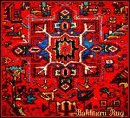
H A I K U


水もみじ 合せ鏡の 鳳凰堂  
mizu momiji awase kagami no Hoo-O Doo

Baron (バロン)

鳳凰堂―句集 俊英俳句選集 ―星叢書
Collection of Haiku about the Phoenix Hall in Uji.
http://homepage1.nifty.com/pvi/art/oouti30.html


翌日京都に入り、宇治の平等院を音(おと)なう。
京都は暮れの二十五日に大雪があったそうで、木々や日陰には残雪が見られる。
奈良よりいっそう寒い。

鳳凰(ほうおう)は幾たび見たり松の雪
Hoo-Oo wa ikutabi mitari matsu no yuki

http://www.jnc.or.jp/m4_3.php


水ゆれて鳳凰堂へ蛇の首
mizu yurete Hoo oo doo e hebi no kubi

water moves
by the Phoenix Hall
the neck of a snake


. Awano Seiho 阿波野青畝 .


:::::::::::::::::::::::::::::::::::::::::::::::::::::::::::::::::::::::::::::::::::::::::::::::::::::


The Phoenix in Venice

Memories of World Haiku Festival 2004
Susumu Takiguchi
THE WORLD HAIKU CLUB

La Fenice in Venice


carneval in Venice
the last mask looks
for the EXIT


Gabi Greve, 2004 for La Fenice


:::::::::::::::::::::::::::::::::::::::::::::::::::::::::::::::::::::::::::::::::::::::::::::::::::::

D A R U M A

Here is the connection. Never to worry, Daruma joins with anything !

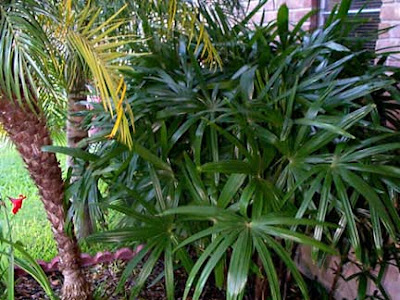
Two Palm Trees
Rhapis excelsa 'Daruma' (Lady Palm) and

Phoenix roebelenii (Pygmy Date Palm) trunk.

CLICK for original LINK and more photos


:::::::::::::::::::::::::::::::::::::::::::::::::::::::::::::::::::::::::::::::::::::::::::::::::::::
Daruma Pilgrims in Japan
O-Fudo Sama Gallery

[ . BACK to DARUMA MUSEUM TOP . ]
[ . BACK to WORLDKIGO . TOP . ]

:::::::::::::::::::::::::::::::::::::::::::::::::::::::::::::::::::::::::::::::::::::::::::::::::::::::::::::::::::::::::::

6/05/2009

Temple Seal shuuban

[ . BACK to DARUMA MUSEUM TOP . ]

:::::::::::::::::::::::::::::::::::::::::::::::::::::::::::::::::::::::::::::::::::::::::::::::::::::

Daruma Pilgrims Gallery

:::::::::::::::::::::::::::::::::::::::::::::::::::::::::::::::::::::::::::::::::::::::::::::::::::::

Temple Seal 宗判 shuuban

In the Kanbun period (1661 - 1673) it became a regulation that every person in Echizen had to register with a temple and get a stamp of approval and recognition. This would also bring the temples in closer contact with their followers and believers (monto 門徒 ).

...........................................


十宗判

 ( 1 ) 法我倶有宗……犢子部など。法と自我の実在を説く。
 ( 2 ) 法有我無宗……説一切有部など。法の実在と無我を説く。
 ( 3 ) 法無去来宗……大衆部など。現在のみの法の実在を主張。
 ( 4 ) 現通仮実宗……説化部など。現在の法のなかで五蘊の実在と十二處十八界の非実在を区別。
 ( 5 ) 俗妄真実宗……説出世部など。世俗の法の虚妄性と出世間の真実性を論じる。
 ( 6 ) 諸法但名宗……一説部など。すべての存在は仮名のみで、すべて無体であると説く。
 ( 7 ) 一切皆空宗……大乗初教(始教)。一切の法の空・不可得を説く。
 ( 8 ) 真徳不空宗……大乗終教。一切の法は根本的真理(真如如来蔵)のはたらきに摂まるとする。
 ( 9 ) 相思倶絶宗……大乗頓教。ことばを離れた真理そのものを提示する。
 (10) 円明具徳宗……別教一乗。究極の無礙自在の法門。

法蔵の五教判

華厳宗の五教十宗判

source ... huayan


諸宗判教対弁抄 shoshuuhan kyootaibensho
Look at the Japanese text here
source : archive.wul.waseda.ac.jp


:::::::::::::::::::::::::::::::::::::::::::::::::::::::::::::::::::::::::::::::::::::::::::::::::::::

H A I K U


かすむ日や宗判押しに三里程
kasumi hi ya shuuban oshi ni sanri hodo

hazy day -
to get my temple stamp I walk
about seven miles


Kobayashi Issa, 1821
Tr. Gabi Greve


David Lanoue states
The expression shûban oshi refers to a census taker stamping his seal.

day mist--
the census taker reckons it
about seven miles


source : David Lanoue


Nakamura Sakuo states
On one day of silent and peacefull Spring Issa walked to a temple for stamping seal that prove himself as Buddhist of Joodo-shuu.It was like in dream as he was strolling in the day mist.


source : Sakuo Nakamura
Everyday Issa

:::::::::::::::::::::::::::::::::::::::::::::::::::::::::::::::::::::::::::::::::::::::::::::::::::::


Daruma Pilgrims in Japan

O-Fudo Sama Gallery

:::::::::::::::::::::::::::::::::::::::::::::::::::::::::::::::::::::::::::::::::::::::::::::::::::::
6/03/2009

Carpet dantsu

[ . BACK to DARUMA MUSEUM TOP . ]

:::::::::::::::::::::::::::::::::::::::::::::::::::::::::::::::::::::::::::::::::::::::::::::::::::::

Daruma Pilgirms Gallery

:::::::::::::::::::::::::::::::::::::::::::::::::::::::::::::::::::::::::::::::::::::::::::::::::::::

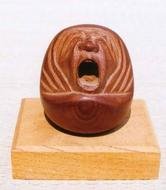
Dantsu, Japanese carpets

The latest issue of the Daruma Magazine, Issue 63, has an article about
dantsu, Japanese cotton carpets or rugs

Daruma Magazine

Daruma Magazine Issue 13 . dantsu
with many illustrations

:::::::::::::::::::::::::::::::::::::::::::::::::::::::::::::::::::::::::::::::::::::::::::::::::::::


I watched a TV special about these carpets just the other day.
だんつう【段通/緞通】dantsuu

They come from three areas, Ako in Hyogo prefecture is most famous. Nabeshima and Sakai are next.
Ako was also famous for its salt production and quite a rich city.
These carpets came into fabrication at the Meiji- and Taisho-Period.

They were made from cotton, since wool is not suitable for the Japanese climate.
The threads are quite long and make a comfortable cushion to sit on.
The carpets came in the size of a zabuton cushion or the size of a tatami and could be used for the tea ceremony. Many dantsuu could be placed in a great temple hall for celebrations, to have the visitors sit more comfortable and warm in winter.


CLICK for more  段通 photos
zabuton style, made from silk


. . . CLICK here for 緞通 Photos !

::::::::::::::::::::::::::::::::::::::::::::::::::::::::::::::::::::::::::::::::::::::::::::::::::::::::::::::::::::::::::::::::::::::::::::::::::::::::::::::::::::::::::::::::::::::::::::::::::::::::::

Nabeshima dantsuuu 鍋島段通 Nabeshima Dantsu cotton carpets

- quote
Nabeshima Dantsu is a traditional cotton fabric carpet designnated as an offering to shogun family from the Nabeshima clan during the Edo era.
The tradition is herited to nowadays. Its tightly hand-knitted cotton-thread of excellent quality, using old weaving tools, presents your naked feet solid, elegant and comfortable touch.
I have self-confidence that I am one of those few artists who make the modern Nabeshima Dantsu that can match today's life style, yet maintaining the traditional feature.
- source : Kayoko Ohba


More beautiful samples :
- source : nabeshima-dantsu.com/showcase


:::::::::::::::::::::::::::::::::::::::::::::::::::::::::::::::::::::::::::::::::::::::::::::::::::::

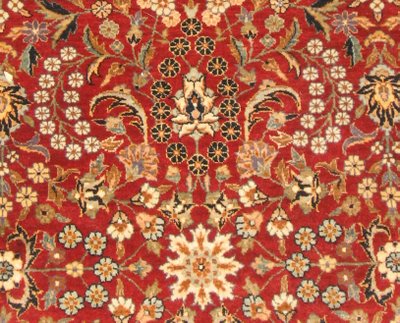
The Japanese name for carpet is
juutan じゅうたん【絨毯/絨緞】

Mostly used for carpets from Persia, China and other Asian countries.


Some vocabulary, mostly about patterns used for Japanese carpets:

amiriken あみりけん 網利剣 sharp sword with net mesh pattern
. . . CLICK here for Photos !

chuuhana ちゅうはな dark blue color

dantsuuba, dantsuu ba 段通場 dantsu carpet mills

hanabishi はなびし【花菱】flower-shaped rombus patterns
. . . CLICK here for Photos !

ichimatsu moyoo いちまつ(もよう)【市松模様】checkered pattern
. . . CLICK here for Photos !


CLICK for more photos inuriken pattern
inuriken, inu riken いぬりけん  犬利剣 sharp sword and dogs (with pine trees and animals)


kani botan かにぼたん【蟹牡丹】crab and peony pattern
. . . CLICK here for Photos !

kikkoo きっこう【亀甲】tortoise shell pattern
. . . CLICK here for Photos !

sanjuu ichinen gata 三十一年形 31年形 さんじゅういちねんがた "pattern from the year 31"
special of the Ako dentsu rugs


sujitsumi すじつみ applying sissors to cut the border of each pattern

:::::::::::::::::::::::::::::::::::::::::::::::::::::::::::::::::::::::::::::::::::::::::::::::::::::

quote
IN olden times woven rugs were not known in Japan.
The wealthy classes of Japan covered their floors with grass, over which they spread the skins of animals. The poorer classes had not even skins, but only reeds or straw. About four hundred years ago silk and wool rugs were introduced into Japan from Persia, China, and India. For a time the Japanese imitated these rugs, but later the industry ceased.
Since the opening up of the country, however, rug-weaving has prospered, and the introduction of fine cotton yarns of uniform quality has increased greatly the growth of all textile industries. The modern Japanese rugs are made of cotton or jute, and are used extensively in the United States in summer homes. In the towns which produce these rugs little children may be seen busily engaged in weaving, their small fingers being very deft at this work.

The chief colors employed by the Japanese in their rug-weaving are blue, white, and sometimes a beautiful pink. In weaving, designing, and coloring, as in everything else the natives do, their exactness of finish and thoroughness in detail are noticeable. The Persian designs which were once reproduced in Japan are now supplanted by designs purely Japanese. The dragon is a favorite design in some of the older rugs.
source : www.oldandsold.com

:::::::::::::::::::::::::::::::::::::::::::::::::::::::::::::::::::::::::::::::::::::::::::::::::::::


Ako City Tabuchi Museum of Art
田淵記念館(たぶちきねんかん)
Tabuchi Kinenkan


The Ako City Tabuchi Museum of Art displays artwork donated by the Tabuchi family, a family that successfully engaged in the salt making business during the Edo period. The collection includes Japanese paintings, calligraphy, tea ceremony equipment, and marriage ceremony artifacts. In addition, there is a wide selection of tea ceremony equipment which are displayed according to each season.
source : www.kansaiartbeat.com

:::::::::::::::::::::::::::::::::::::::::::::::::::::::::::::::::::::::::::::::::::::::::::::::::::::


Tibetan Skeleton Carpet


China, Ningxia. 19th c.
source : www.asianart.com/lieberman


.......................................................................


Chinese Carpets – Art From the Steppes


Shoso-in felt carpets, dating from the Nara period --

The earliest woolen textiles with a possible Chinese attribution are the felts in the Shoso-in Treasure House in Nara, Japan. Eiland illustrates two these and a third appears in Jodai-Gire, Kaneo Matsumoto’s account of the Shoso-in textiles. Another appears in Kurt Erdmann’s ‘Seven Hundred Years’. We should re-examine the conventional Chinese attribution for these pieces, which are believed to have been mad in the 8th century during a T’ang dynasty supported by sinicized turks. “Jodai Gire” is curiously vague on the subject, “We cannot be certain that sheep were no raised in ancient Japan, but it seems unlikely. Probably these rugs were imported from either China or Korea.”

• Two felts from the Shoso-in Treasure House, Nara, Japan, 8th century. Given the description of felts in early texts, it is probable these two pieces are Mongol pieces, possibly used as door covers on the yurts or tents.

• A fabulous example of a felt that may very well be Mongol also. The aesthetic is very refined. 8th century, Shoso-in Treasure House, Nara, Japan. A detailed 13th century account of Mongol yurts adn their felts, quoted by Bertold Spuler, in 'The History of the Mongols', notes that embroidered "birds and beasts" were featured in the designs of Mongol felts.

- Felt, 8th-9th century, Shoso-in Treasure House, Nara, Japan The elaborate floral designs and palette seen on this felt are remarkably different from those other felts seen below, also housed in the Shoso-in.Perhaps this marked difference is due to the sinicisation of design elements during the reign of the Sha-'to Turk emperors in the late T'ang period

- source : Thomas Cole -

:::::::::::::::::::::::::::::::::::::::::::::::::::::::::::::::::::::::::::::::::::::::::::::::::::::


H A I K U


juutan 絨毯 じゅうたん carpet
dantsuu 緞通(だんつう)Japanese carpet
juutan 絨緞(じゅうたん) carpet
kaapetto カーペット carpet, Teppich
Persian rug, Perserteppich

kigo for all winter
Although it is in our homes all year, we feel the warmth from it most in the winter months, especially in Japan, when you sit on the floor and have an insulating carpet on the tatami mats.


My Carpet Meditation Nr. 1

morning meditation -
the mind crawls along
carpet patterns


My Carpet Meditation Nr. 2


:::::::::::::::::::::::::::::::::::::::::::::::::::::::::::::::::::::::::::::::::::::::::::::::::::::


summer heat ...
my cat hides under
the silk carpet

My Cat Haiku Kun
Gabi Greve, Summer 2008


:::::::::::::::::::::::::::::::::::::::::::::::::::::::::::::::::::::::::::::::::::::::::::::::::::::


by the riverside
dragons on the carpet
bask under the sun


Sunil Uniyal, New Delhi
WHCindia


:::::::::::::::::::::::::::::::::::::::::::::::::::::::::::::::::::::::::::::::::::::::::::::::::::::


sinking into
the soft red carpet
my aching knees


CLICK for Claudia,s Carpet

Claudia Cadwell
. WKD ... on FACEBOOK . June 2009


[ . BACK to WORLDKIGO  TOP . ]
:::::::::::::::::::::::::::::::::::::::::::::::::::::::::::::::::::::::::::::::::::::::::::::::::::::


Daruma Pilgrims in Japan

O-Fudo Sama Gallery

:::::::::::::::::::::::::::::::::::::::::::::::::::::::::::::::::::::::::::::::::::::::::::::::::::::

6/02/2009

Temple Saihoji

[ . BACK to DARUMA MUSEUM TOP . ]

:::::::::::::::::::::::::::::::::::::::::::::::::::::::::::::::::::::::::::::::::::::::::::::::::::::

Daruma Pilgrims Gallery

:::::::::::::::::::::::::::::::::::::::::::::::::::::::::::::::::::::::::::::::::::::::::::::::::::::

Temple Saihoji ,
"Temple in the Western Direction"

Saihoo-Ji 西方寺 in Nagano
長野県長野市西町1019 
安養山極楽院西方寺 

. . . CLICK here for Photos !

This temple is in West Village, a suburb of Nagano Town, and situated in the West of the town, hence the name, Tempel to the West. It is also situated to the west of the famous Zenko-Ji temple in Nagano. The West is the region of the Pure Land of Paradise.

The temple belongs to the Pure Land sect and is closely related to Honen Shonin.
Issa used to visit his friend Takizawa 滝沢柯尺(松屋八郎次・松八), who lived in a small street close by this temple.


The stamp of this temple carries a haiku by Kobayashi Issa.

CLICK for original LINK to Japanese

散る花や 月入る方は 西方寺
chiru hana ya tsuki-iru hoo wa Saihoo-ji

cherry blossoms scatter -
in the direction of the moon
is temple Saihoo-Ji

Tr. Gabi Greve


A memorial stone with this haiku by Kobayashi Issa in in the precincts of this temple.

source : www.saihouji-nagano.com

and this is another haiku by Issa composed here:

迹臼は烏(からす)のもちや西方寺
ato usu wa karasu no mochi ya Saihoo-Ji

(see below)

:::::::::::::::::::::::::::::::::::::::::::::::::::::::::::::::::::::::::::::::::::::::::::::::::::::


There is also a Saiho-Ji in Kyoto.

Saihoji Moss temple(Koke dera)
56, Matsuojingatani, Nishikyou-ku, Kyoto-shi, Kyoto-fu

CLICK for more information
It is said that Saihoji temple was opened by Gyoki during the Nara period and was restored by inviting Muso Soseki in 1339. Because of the beautiful moss that covers the land in the garden, it is called the "Moss Temple".
The garden designed by Muso Soseki has two levels, the upper Karesansui (rock garden) and the lower level of the circuit style garden with a pond and a path around it. The golden pond at the centre of the garden is in the shape of the Chinese charater for a “heart” or”mind” (kokoro), and the garden is covered in approximately 120 types of moss, so that it looks like a green carpet has been laid out. To the south of the golden pond stands the tea-house called Shonan-tei which is designated as important cultural property.
source : www.japan-i.jp/explorejapan


::::::::::::::::::::::::::::::::::::::::::::::::::::::::::::::::::::::::::::::::::::::::::::::::::::: 


Another temple Saihoji in Shikoku, made famous
by Lafcadio Hearn


UBAZAKURA 姥桜

Three hundred years ago, in the village called Asamimura, in the district called Onsengori, in the province of Iyo (Shikoku), there lived a good man named Tokubei. This Tokubei was the richest person in the district, and the muraosa, or headman, of the village. In most matters he was fortunate; but he reached the age of forty without knowing the happiness of becoming a father. Therefore he and his wife, in the affliction of their childlessness, addressed many prayers to the divinity Fudo Myo O, who had a famous temple, called Saihoji, in Asamimura.

At last their prayers were heard: the wife of Tokubei gave birth to a daughter. The child was very pretty; and she received the name of Tsuyu. As the mother's milk was deficient, a milk-nurse, called O-Sode, was hired for the little one.

O-Tsuyu grew up to be a very beautiful girl; but at the age of fifteen she fell sick, and the doctors thought that she was going to die. In that time the nurse O-Sode, who loved O-Tsuyu with a real mother's love, went to the temple Saihoji, and fervently prayed to Fudo-Sama on behalf of the girl. Every day, for twenty-one days, she went to the temple and prayed; and at the end of that time, O-Tsuyu suddenly and completely recovered.

Then there was great rejoicing in the house of Tokubei; and he gave a feast to all his friends in celebration of the happy event. But on the night of the feast the nurse O-Sode was suddenly taken ill; and on the following morning, the doctor, who had been summoned to attend her, announced that she was dying.

Then the family, in great sorrow, gathered about her bed, to bid her farewell. But she said to them:--

"It is time that I should tell you something which you do not know. My prayer has been heard. I besought Fudo-Sama that I might be permitted to die in the place of O-Tsuyu; and this great favor has been granted me. Therefore you must not grieve about my death... But I have one request to make.
I promised Fudo-Sama that I would have a cherry-tree planted in the garden of Saihoji,
for a thank-offering and a commemoration. Now I shall not be able myself to plant the tree there: so I must beg that you will fulfill that vow for me... Good-bye, dear friends; and remember that I was happy to die for O-Tsuyu's sake."

After the funeral of O-Sode, a young cherry-tree,-- the finest that could be found,-- was planted in the garden of Saihoji by the parents of O-Tsuyu. The tree grew and flourished; and on the sixteenth day of the second month of the following year,-- the anniversary of O-Sode's death,-- it blossomed in a wonderful way. So it continued to blossom for two hundred and fifty-four years,-- always upon the sixteenth day of the second month; -- and its flowers, pink and white, were like the nipples of a woman's breasts, bedewed with milk. And the people called it Ubazakura, the Cherry-tree of the Milk-Nurse.
source : bulfinch.englishatheist.org

:::::::::::::::::::::::::::::::::::::::::::::::::::::::::::::::::::::::::::::::::::::::::::::::::::::


Among the haiku memorial stones in Matsuyama, there are also two in the precincts of a temple called Saihoji.
(spelled with different Chinese characters, meaning "Temple of the Western Law"
Saihouji Temple in Idai, opened in 792 (Enryaku 11), is a temple of the Tendai sect
伊台の西法寺
Source : Haiku Monuments in Matsuyama


:::::::::::::::::::::::::::::::::::::::::::::::::::::::::::::::::::::::::::::::::::::::::::::::::::::

H A I K U


跡臼は烏のもちか西方寺
ato usu wa karasu no mochi ka Saihooji

is the next batch of rice cakes
for the crow?
Saiho Temple


Kobayashi Issa
Shinji Ogawa notes that ato usu means "the next batch of rice cakes" (not, as I originally thought, the "tub in back").
In an dated version of this haiku (1813), Issa makes a statement instead of a question: "The next batch of rice cakes is for the crow" (ato usu wa karasu no mochi ya).
There are two types of usu or mill: (1) shiki usu (grinding hand-mill) and (2) a large wooden tub used for rice or herb cake making. The cake maker pounds the ingredients with a wooden mallet. The second definition fits here.

(Tr. David Lanoue)


is the next batch
from the mortar for the crows?
temple Saiho-Ji

Tr. Gabi Greve


::::::::::::::::::::::::::::::::::::::::::::::::::::::::::::::::::::::::::::::::::::::::::::::::::::: 

[ . BACK to WORLDKIGO  TOP . ]


Daruma Pilgrims in Japan


:::::::::::::::::::::::::::::::::::::::::::::::::::::::::::::::::::::::::::::::::::::::::::::::::::::

5/23/2009

Kekkaiseki kekkai ishi

[ . BACK to DARUMA MUSEUM TOP . ]

:::::::::::::::::::::::::::::::::::::::::::::::::::::::::::::::::::::::::::::::::::::::::::::::::::::

Daruma Pilgrims Gallery

:::::::::::::::::::::::::::::::::::::::::::::::::::::::::::::::::::::::::::::::::::::::::::::::::::::

"Boundary Stone Markers" 結界石
kekkaiseki, kekkai ishi


CLICK for more kekkaiseki photos

kekkai, the barrier between here and there, this world and the other world.
Sanskrit : siimaa-bandha

zekkai 絶界 absolute boundary

Reference : kekkai

kekkai seki, stone markers beside a temple gate to show the border of our normal world and the world of Buddhist studies and training.
Stones that separate sacred space from secular space.


CLICK for more kaidanseki
At Zen temples, they are also called
kaidanseki 戒壇石.


"old woman stones" 姥石 (うばいし) uba ishi
Marks the departure of mother and child, or places where women were not allowed to enter in former times, for example at the foot of Mount Koya.
There is also a place in the mountains called Ubaishi daira 姥石平.
. . . CLICK here for Photos !
shibari-ishi


:::::::::::::::::::::::::::::::::::::::::::::::::::::::::::::::::::::::::::::::::::::::::::::::::::::


Now we come to a type of special border stones,
to prevent the entering of ricewine, liquor, garlic and garlic chives into a Buddhist monastery !

kunshu 葷酒 garlic and liquor, strong-smelling vegetables and ricewine


不許葷酒入山門

CLICK for more photos

葷酒山門に入るを許さず
kunshuu sanmon ni iru o yurusazu

葷 KUN refers to garlic chives and garlic.

It could also read
不許葷辛酒肉入山門

No garlic, garlic chives, spices, liquor or meat.
. . . CLICK here for Photos !


山門禁葷酒 sanmon kinkunshu
Garlic and liquor are forbidden from here on.
. . . CLICK here for Photos !


葷酒山門(くんしゅさんもん)kunshu sanmon
Temple Gate, no garlic or liquor beyond this point!
. . . CLICK here for Photos !


Some temples called the hot ricewine
"hot water of wisdom" hannyatoo 般若湯(はんにゃとう)
or "water of wisdom" chie no mizu 智慧の水.


葷酒山門にいるを許さず紅葉哉
kunshu sanmon ni iru o yurusazu momiji kana

no garlic and wine
beyond the temple gate ...
red autumn leaves


Terada Torahiko 寺田寅彦
(November 28, 1878 - December 31, 1935)
source : jofuan/myhaiku


WASHOKU
Garlic chives


.................................................................................


照るもみじ葷酒の山門酔ひにけり
teru momiji kunshu no sanmon ei ni keri

shimmering red leaves -
at the gate forbidding sake and garlic
we are drunk already


source : 佐々木昭 Sasaki Akira

.................................................................................


椿寺葷酒の入るを許されよ
tsubakidera kunshu no iru o yurusare yo

camellia temple -
forgive us for bringing
liquor and garlic


source : Ikeuchi Komachi 池之小町


:::::::::::::::::::::::::::::::::::::::::::::::::::::::::::::::::::::::::::::::::::::::::::::::::::::


CLICK here for more sekimori sekimori-ishi 関守石 stone markers guarding a border
"barrier-keeper stone"
also used in tea house gardens, usually bound with a black or brown hemp rope, to indicate a stone path that people should not step on.
also called
tome-ishi 留石, 止石 stone markers "preventing the entry"
"stopping stone"
. . . CLICK here for Photos !


:::::::::::::::::::::::::::::::::::::::::::::::::::::::::::::::::::::::::::::::::::::::::::::::::::::


Read my friend Mark Schumacher

Sai no Kawara 賽の河原 Japanese Limbo for Children

STONES, STONE MARKERS, AND STONE MEMORIALS IN JAPAN


:::::::::::::::::::::::::::::::::::::::::::::::::::::::::::::::::::::::::::::::::::::::::::::::::::::


In Japanese folklore, a kekkai (血塊, lit. blood lump),
is a blood homunculus created during a childbirth that is not sanctified. It is a hideous, amorphous blob of blood that lurks about and frightens people with its horrible appearance.

Due to all the taboo surrounding blood in Japanese culture, a special ceremony must be performed to remove the impurity. If this act was not performed, a kekkai was formed and created havoc and fright among the village until the rite was completed.

Kekkai, (結界), is the Japanese word for a protective ward, which is entirely unrelated to the blood homunculus. It is featured in anime such as Kekkaishi and X (manga).
© More in the WIKIPEDIA !

:::::::::::::::::::::::::::::::::::::::::::::::::::::::::::::::::::::::::::::::::::::::::::::::::::::


no garlic and rice wine
beyond this point ...
cherry blossom time


Gabi Greve, Spring 2009


:::::::::::::::::::::::::::::::::::::::::::::::::::::::::::::::::::::::::::::::::::::::::::::::::::::


Die Abgrenzung des Heiligen Bereiches

Die Abgrenzung des heiligen Bereiches (kekkai, S: siimaa-bandha) eines esoterischen Altars von der alltäglichen Welt war besonders wichtig, da das Heilswesen während einer Zeremonie in den Flammen visualisiert wird.
Zu den Gegenständen, die der Abgrenzung des Heiligen Bereiches dienten, gehören die vier Grenzpflöcke und die Altar-Schnur.

Vier Grenzpflöcke
(shiketsu, kongooketsu, shihooketsu; S: vajra-kiilaka )
Vier Pflöcke an den Ecken, Vajra-Pfähle, Eckpfosten, Grenzpfähle.
"ketsu" bedeutet eigentlich Pfosten (kui).

Funktion:
Sie stehen an den vier Ecken eines Altars für Zeremonien. Zur Abgrenzung des heiligen Bereiches werden ihre Spitzen mit der Altar-Schnur verbunden.

Bei Feueropfern befindet sich an der Seite, an welcher der leitende Priester sitzt, eine Art kleiner Torbogen, manchmal nur aus zwei Stäben und der darübergelegten Altar-Schnur bestehend. Durch dieses Tor kann der Priester die Gegenstände auf den Herd legen und die heiligen Handlungen auf dem Altar ausführen.

Bei den verschiedenen Sekten des esoterischen Buddhsimus finden sich unterschiedliche Formen für verschiedene Verwendungszwecke.
Der Typ mit einem Wunschjuwel am Ende wird z.B. bei Initiationszeremonien und der Typ ohne Wunschjuwel bei Feueropfern, z.B. vor dem Bau eines Gebäudes als Opfer an den Erdgott (chindan, jishizume kuyoo) verwendet.

Form:
Nach der Form der Spitze unterscheidet man drei Typen:
1. Spitze in der Form wie ein Donnerkeil mit einer Spitze.
2. Spitze in der Form wie eine runde Lotusknospe (mikai rengegata).
3. Spitze in der Form wie ein Wunschjuwel. Der Schaft hat die Form wie ein Donnerkeil. Dieser Typ wird nur für Initiationszeremonien verwendet.

Ein Grenzpflock besteht aus folgenden Teilen: Spitze in einer der oben beschriebenen Formen. Sechs- bis achtkantiger Schaft, unverziert (sobun) oder mit Lotusblüten, Dämonenaugen mit Dekorbändern (himo) an beiden Seiten, Lotus-Halter (renza) oder Chrysanthemen-Halter (kikuza ) und dem Pflock zum Einstecken (hozo) am unteren Ende.

Ein Pflock mit einer Spitze wie ein Donnerkeil und mit unverziertem Schaft wird "Diamantwelt-Grenzpflock" (kongookaiketsu, kongooketsu) genannt. Kuukai brachte Grenzpflöcke in Form eines Donnerkeils mit, daher werden derartige Typen bei der Shingon-Sekte bevorzugt.
Ein Pflock mit Spitze wie eine Lotusknospe und verziertem Schaft mit Lotusblüten wird "Mutterschoßwelt-Grenzpflock" (taizookaiketsu, taizooketsu) genannt.
Länge: 20 - 35 cm.

Material: Je nach Sekte und Zeremonie unterschiedlich. Z.B. bei befriedenden Riten aus Milchholz, bei mehrenden Riten aus Granatapfelbaum-Holz (kichijoomoku), bei bannenden Riten aus Eisen.
Weiterhin werden vergoldete Bronze (sehr häufig) und andere Metalle verwendet.


Feueropfer-Altar (gomadan, goma kadan)

Form: In der Mitte auf dem Altar ist ein Feueropfer-Herd eingelassen und an den vier Ecken stehen die vier Grenzpflöcke, die mit der Altar-Schnur verbunden sind. Die Grenzpflöcke und die Altar-Schnur werden auch "Gegenstände zur Abgrenzung des heiligen Bezirkes" (kekkaigu) genannt.

Die Kultgegenstände des esoterischen Buddhismus
(mikkyoo hoogu 密教法具, mitsugu)
Gabi Greve


Buddhistische Kultgegenstände Japans


:::::::::::::::::::::::::::::::::::::::::::::::::::::::::::::::::::::::::::::::::::::::::::::::::::::

Daruma Pilgrims in Japan

O-Fudo Sama Gallery

:::::::::::::::::::::::::::::::::::::::::::::::::::::::::::::::::::::::::::::::::::::::::::::::::::::